Sports
Harry Kane rescues England with late World Cup brace
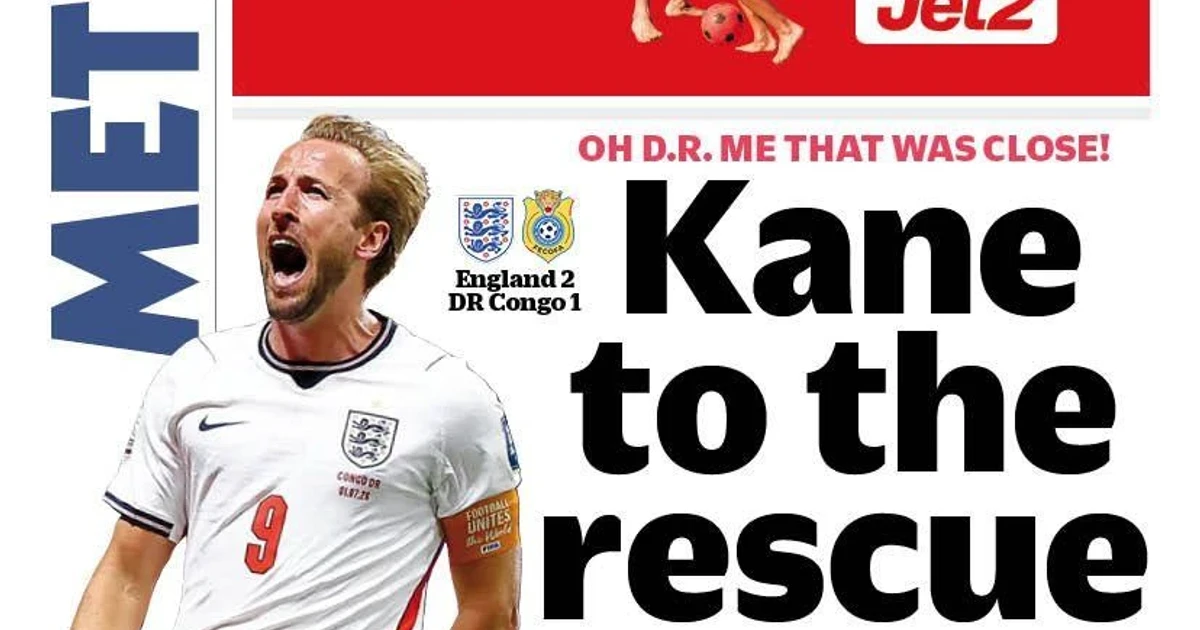
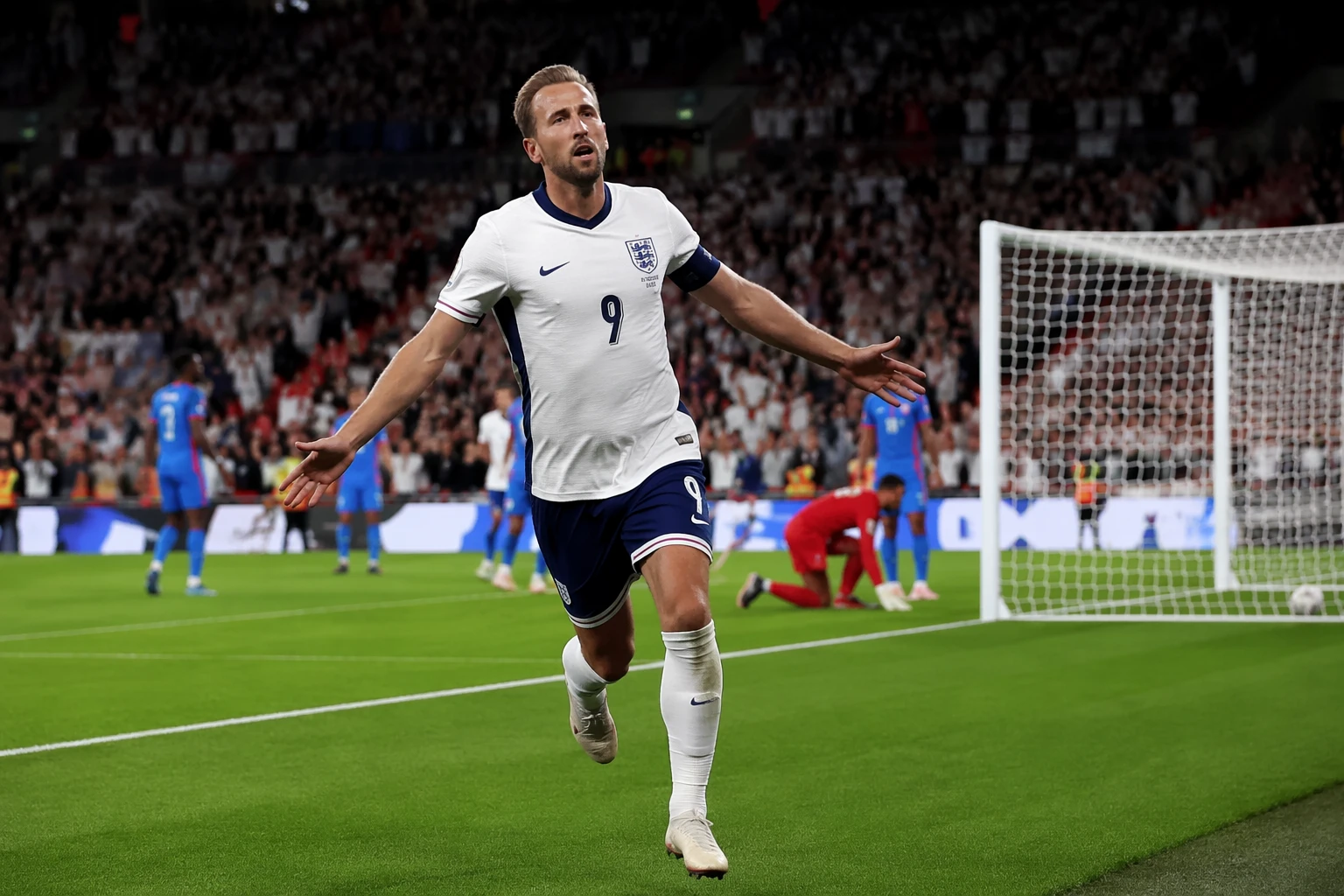
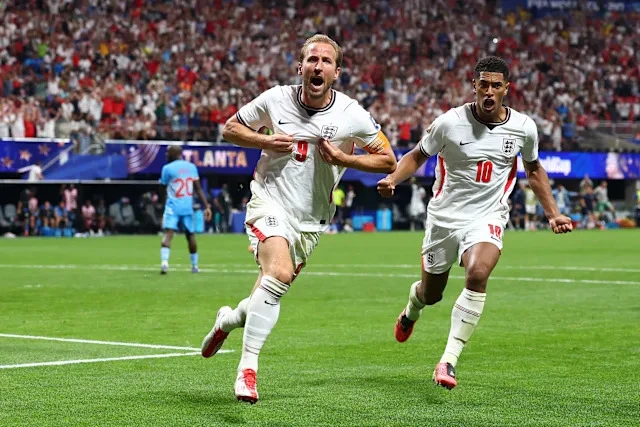
Harry Kane scored twice in the final 15 minutes to turn a 1-0 deficit into a 2-1 win over DR Congo and send England into the World Cup round of 16. The captain’s late surge kept England alive in the tournament, but it also papered over another uneasy performance that left England exposed before Kane stepped in.
DR Congo struck first, and England spent much of the match chasing the game before Kane took control when the pressure peaked. His two second-half goals transformed what had been heading towards one of the country’s most damaging tournament shocks into a rescue act, but the margin of escape was thin enough to worry anyone watching the back line. England did not simply survive because of one striker’s finishing; England survived because Kane converted the small number of chances that mattered most.
The scale of the threat was stark. Had England lost, the result would have sat alongside the 2016 defeat to Iceland as one of the greatest humiliations in tournament history. That is why the victory also eased immediate pressure on Thomas Tuchel, whose position would have been under severe scrutiny after a defeat of that magnitude. Kane’s finishing may have delivered the points, but the pattern that allowed DR Congo to lead first remains the louder warning for England’s next matches.
For England, the problem is not whether Harry Kane can decide a match at the sharp end. The question is whether a side that needs a late brace from its captain can survive a stronger opponent that punishes the same defensive instability for 90 minutes. The round of 16 brings less room for recovery, fewer margins for error and more ruthless finishing from the teams waiting ahead.

The morning’s wider political backdrop carried a similar sense of unfinished business. Sir Keir Starmer’s Defence Investment Plan, announced on 30 June, set out £298bn of investment over four years and £15bn of extra spending on top of last year’s Spending Review, but official figures showed only £10.3bn of that extra amount had been identified, leaving £4.7bn to be confirmed at Budget 2026.
Sources
- [1]bbc.co.uk
- [2]telegraph.co.uk
- [3]gov.uk
- [4]dodspoliticalintelligence.com
- [5]uk.news.yahoo.com
- [6]news.sky.com
- [7]espn.com