Technology
Harvard chip writes DNA in water, could reshape synthetic DNA production
Harvard-led researchers turned a CMOS silicon chip into a water-based DNA-writing factory that synthesized 64 distinct sequences in parallel, each about 38 to 39 nucleotides long. The result points to a future in which synthetic DNA could move beyond specialized facilities and into smaller labs, with faster turnaround, lower chemical hazards and wider access.
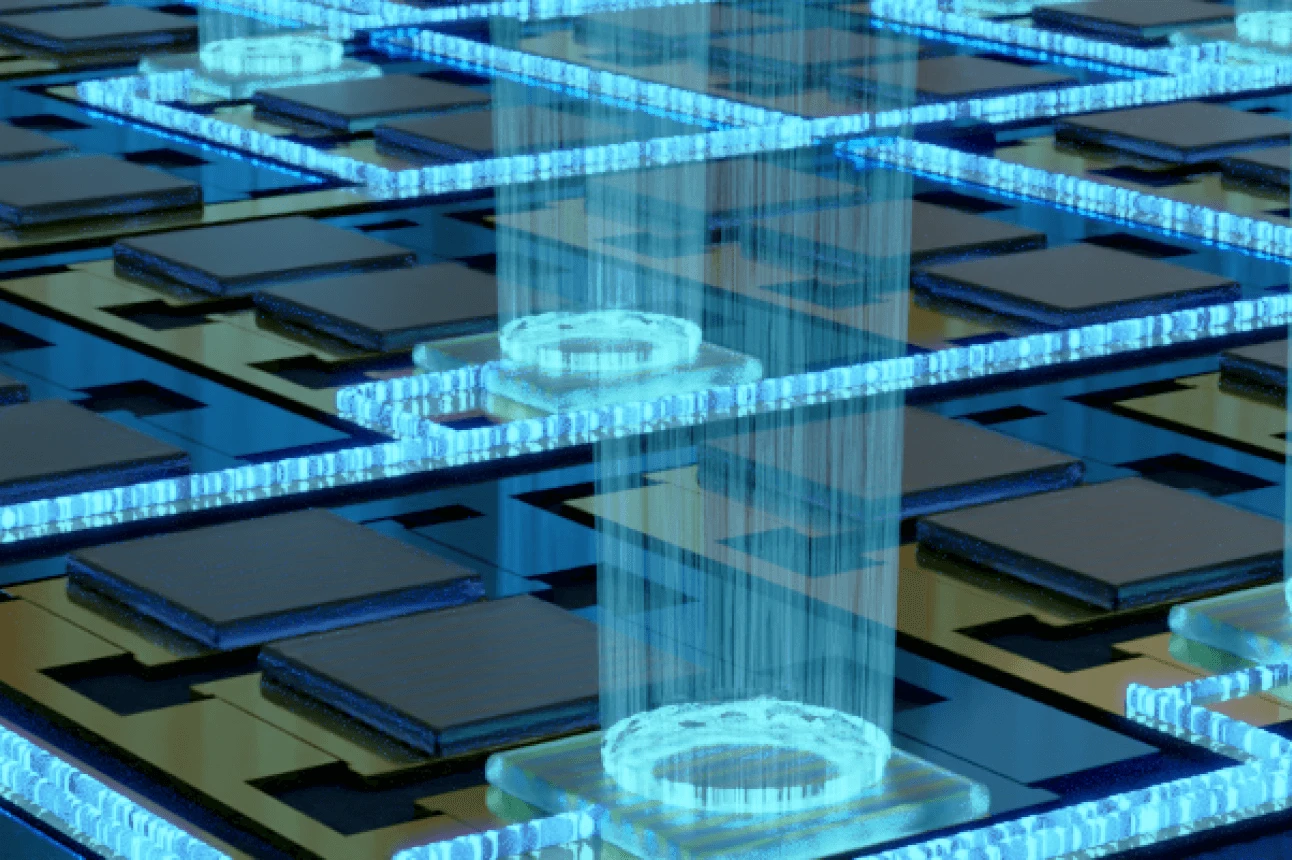
The work, published in Nature Electronics and led by Donhee Ham at Harvard’s John A. Paulson School of Engineering and Applied Sciences, uses finely controlled electric currents to trigger local reactions on the chip site by site. Harvard’s description says the device relies on 256 ring-electrode pairs to control acidity and drive enzymatic synthesis in water, a cleaner approach than the solvent-heavy chemical production methods that still dominate the field.
That matters because synthetic DNA is already used in diagnostics, genome engineering, cancer research and data storage, but today’s production is usually centralized, expensive and dependent on hazardous organic solvents. A chip that writes DNA in water could reduce the need for large industrial plants and, if the chemistry matures, allow portable DNA-writing devices or distributed manufacturing systems that sit much closer to the researchers who need them.
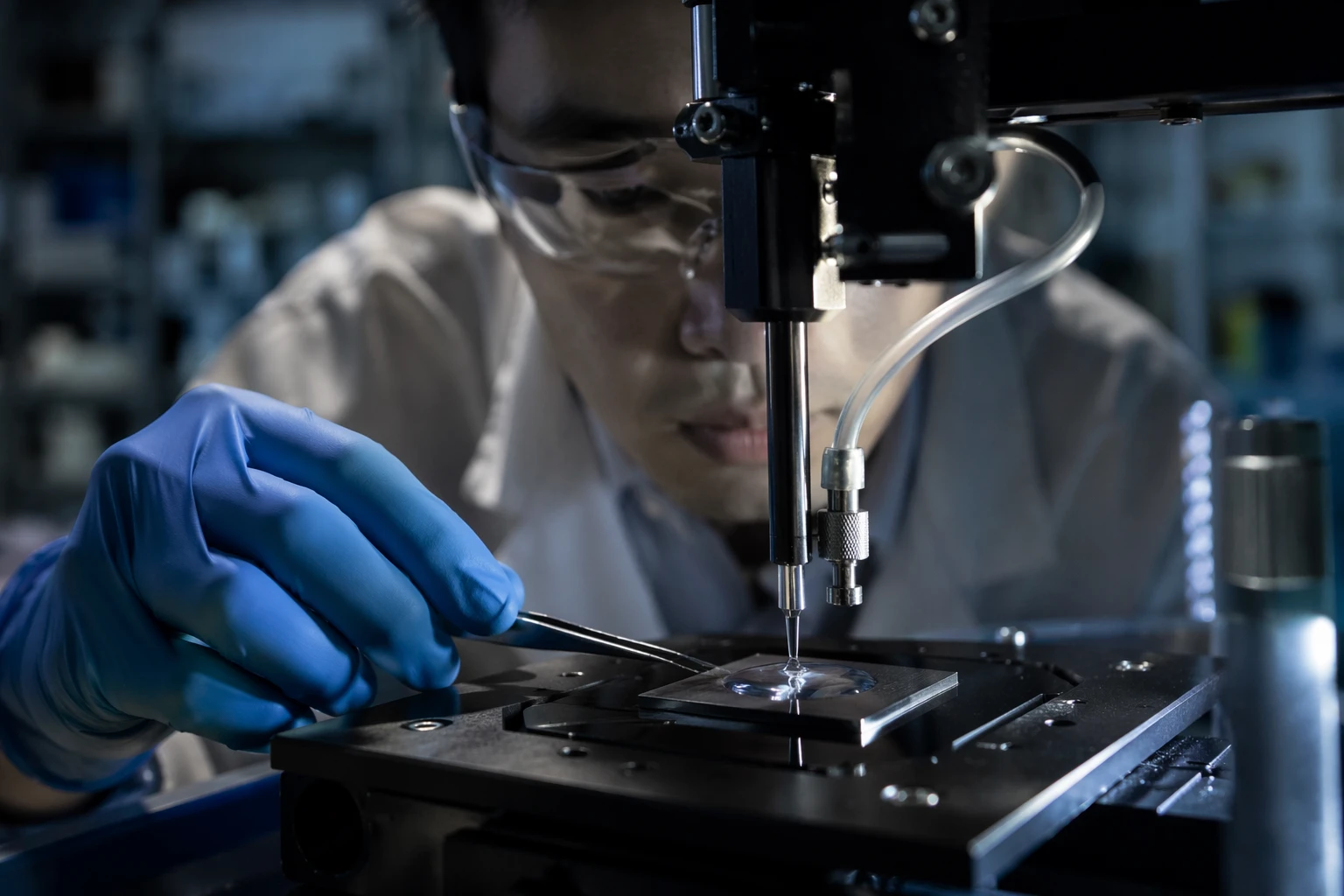
Nature Electronics framed the advance as parallel enzymatic synthesis on a semiconductor chip and said the platform can encode a 169-byte text using DNA as a data-storage medium. The project also marks a scale jump: before this work, prior demonstrations had reached only about a dozen sequences at once, making 64 parallel strands a meaningful step toward higher-throughput synthesis. The research team was identified as Woo-Bin Jung, Han Sae Jung, Saptarshi Das and Ham.
Ham, who holds the John A. and Elizabeth S. Armstrong Professorship of Engineering and Applied Sciences at Harvard, has been pursuing chip-inspired enzymatic DNA synthesis for years. Harvard highlighted similar work in 2020, showing that the new result builds on a longer effort to merge semiconductor design with molecular biology rather than appearing as an isolated breakthrough.
The remaining obstacles are substantial. The chemistry still has to improve before the platform can compete broadly with established manufacturing on accuracy, scale and cost, and any move toward distributed DNA synthesis will also invite closer scrutiny on biosecurity. For now, the chip is less a finished replacement for conventional production than a proof that DNA writing can be reorganized around electronics, water and a far smaller physical footprint.