Science
Harvard Forest study finds warming can unlock stable soil carbon
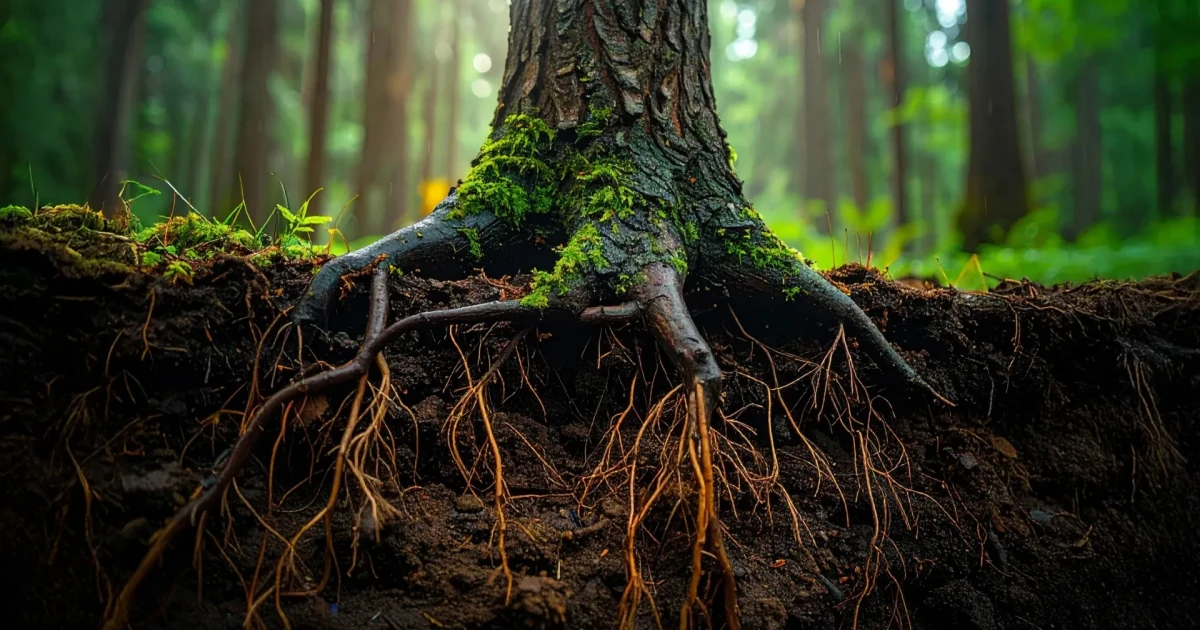
Researchers at Harvard Forest in Massachusetts have spent 37 years heating forest soil 5 degrees Celsius above ambient, and the latest results suggest chronic warming can pry loose carbon once thought safely stored underground.
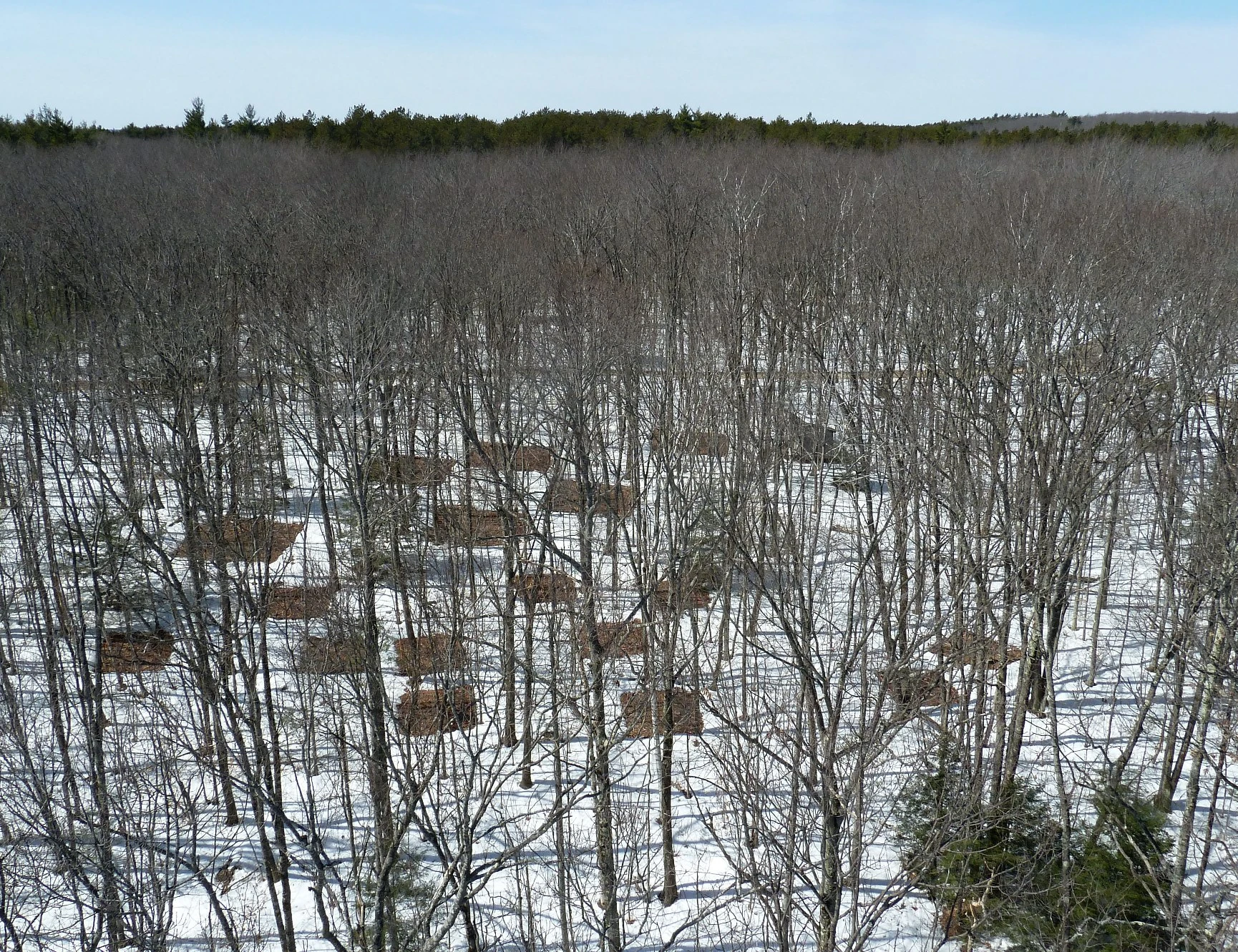
The experiment began in April 1991 on the Prospect Hill tract, where scientists installed 18 plots measuring 6 by 6 meters, including heated, disturbance-control and control plots. Buried heating cables keep the warmed plots at 5 degrees Celsius above surrounding soil temperatures year-round.
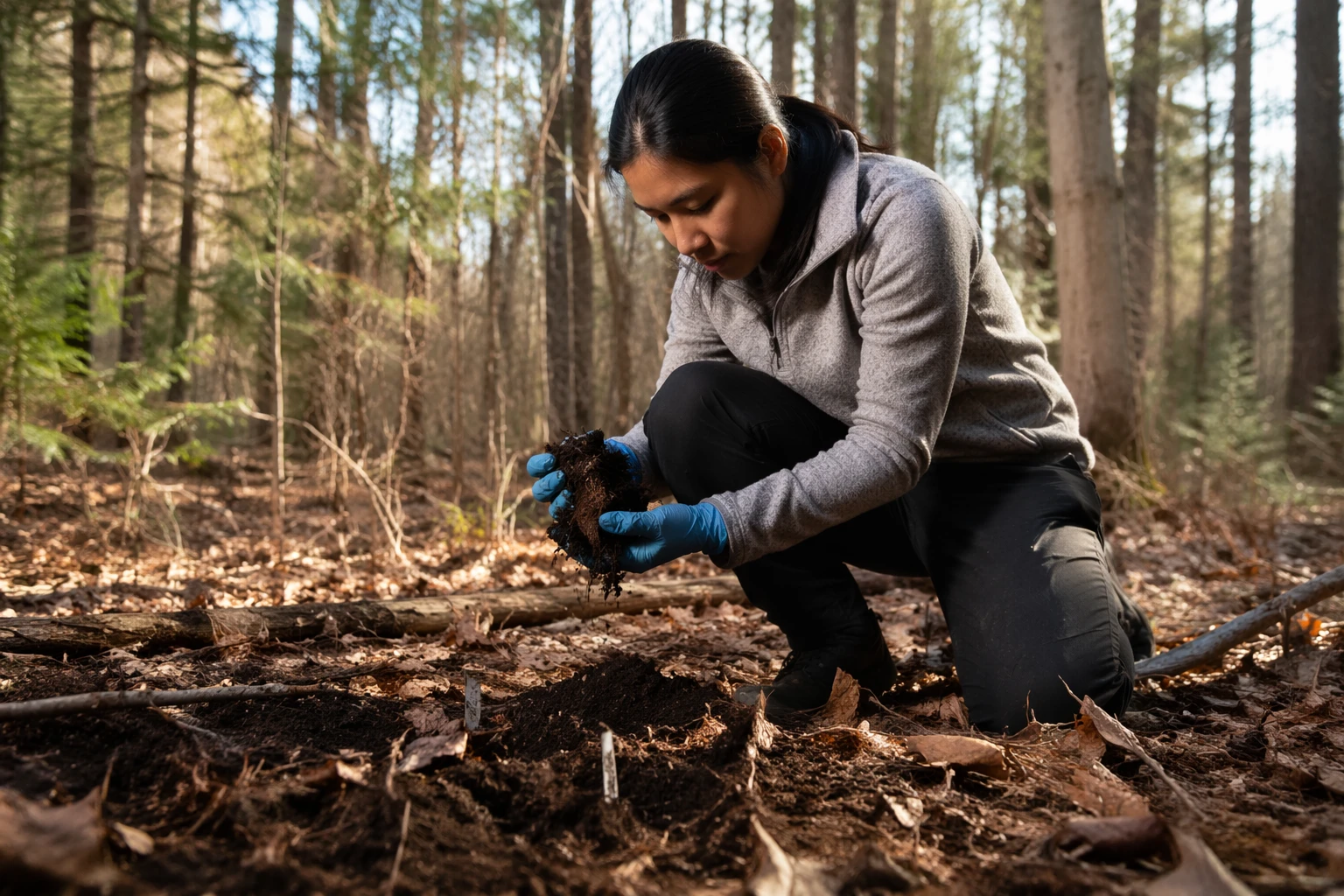
Early results already showed that the soil carbon reservoir was not as durable as once assumed. A 26-year study from the same experiment found a 17 percent loss of carbon stored in organic matter in the top 60 centimeters of soil, along with a four-phase pattern of decay and carbon dioxide fluxes. The newer work goes further, showing that by the fourth decade of warming, even stable components of soil organic matter began to break down. Plant-derived lipids once considered resistant to decomposition were destabilized by the chronic heat.
Jerry Melillo, a Distinguished Scientist at the Marine Biological Laboratory, has led the Harvard Forest soil-warming research for decades. The work centers on microbes, which decompose organic matter and recycle nutrients plants need to grow. As warming alters microbial communities, it can speed the loss of carbon from soil and increase carbon dioxide emissions.
Climate models project a global mean temperature increase of 2 to 5 degrees Celsius over the next century, close to the experimental warming used in the plots. A Harvard Forest Science paper found that 4 degrees of whole-soil warming increased annual soil respiration by 34 percent to 37 percent, underscoring how whole-soil measurements can reveal losses that shorter, surface-only studies miss.
Soils store about 3,500 billion metric tons of carbon globally.