US News
Harvard Sets Stricter Limits on Undergraduate A Grades
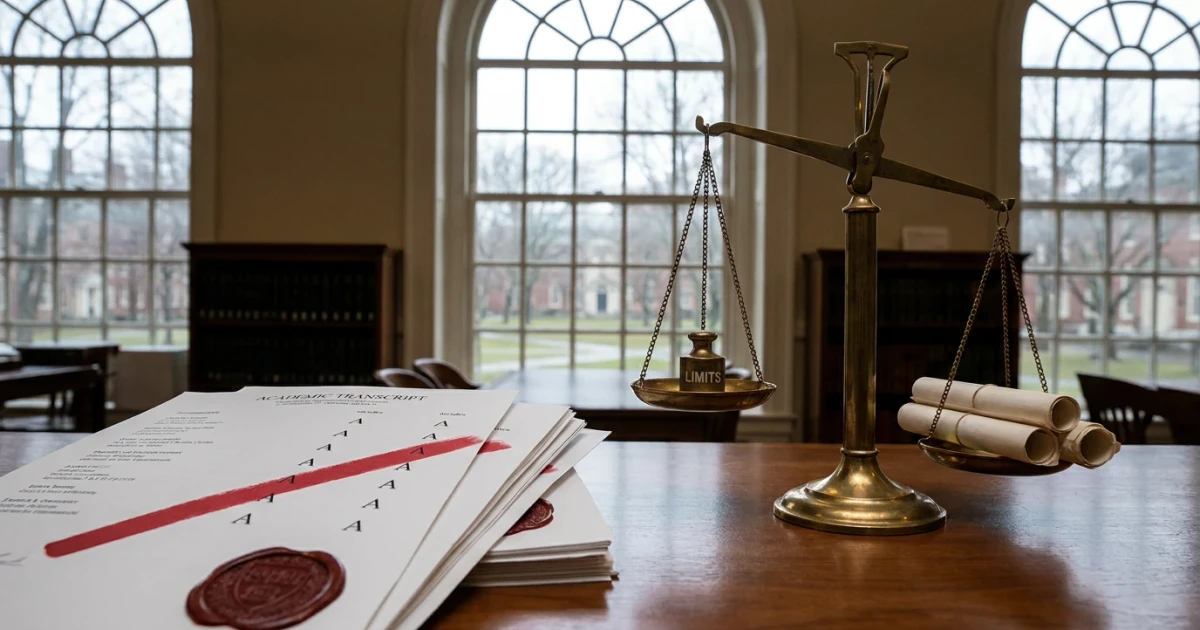
Harvard University faculty have approved a new policy to restrict the number of A grades awarded to undergraduates, signaling a significant shift in the institution’s approach to grading. The decision, reported by The Washington Post, comes amid ongoing debate over grade inflation and its impact on academic standards.
Faculty Vote Seeks to Address Grade Inflation
The faculty’s vote will introduce stricter guidelines, making it more difficult for students to earn top marks. While details of the new limits were not immediately disclosed, the move is widely interpreted as a direct response to longstanding concerns about grade inflation at Harvard and other elite institutions.
According to historical data, the percentage of A and A-minus grades at Harvard has risen steadily over the past several decades. Recent figures show that more than 70% of grades awarded to undergraduates have been in the A range, raising questions about whether high grades still reflect exceptional achievement.
Background on Grading Trends
Concerns about grade inflation are not new at Harvard. Analysis by The Harvard Crimson and data from the Harvard Fact Book 2023 indicate that the average undergraduate GPA has increased steadily, mirroring trends at other Ivy League schools. Critics argue that rising grades diminish the value of academic distinction and make it harder for graduate schools and employers to differentiate among applicants.
- Over 70% of undergraduate grades were A or A-minus in recent years
- The average GPA at Harvard has climbed above 3.7
- Grade inflation has also been documented at peer institutions
For a deeper look at how grading has changed over time at Harvard and across the Ivy League, readers can explore this interactive explainer from The New York Times.
Faculty and Student Reactions
The faculty’s decision was described as a direct attempt to restore academic rigor. While some faculty have long advocated for more consistent grading standards, others have cautioned that sudden changes could have unintended consequences for students competing for scholarships, internships, or top graduate programs.
Students and alumni have expressed mixed views. Some support the move as a way to preserve the value of a Harvard degree, while others worry that stricter limits could disadvantage students in highly competitive fields or discourage academic risk-taking.
Implications for Harvard and Higher Education
The new policy places Harvard among a growing number of universities taking steps to address grade inflation. It remains to be seen how individual departments will implement the guidelines and whether the changes will influence grading practices at peer institutions.
As higher education continues to grapple with the balance between academic support and rigor, Harvard’s move could serve as a bellwether for other colleges considering similar reforms. For more on the university’s academic programs and grading policies, readers can review the official records from Harvard’s Office of Institutional Research.
Looking Ahead
With the vote now finalized, Harvard faculty and administrators are expected to release further details on how the limits will be enforced and how student performance will be evaluated moving forward. The effectiveness of these reforms will be closely watched by the academic community, students, and employers alike.