World
Hasina plans December return to Bangladesh despite death sentence
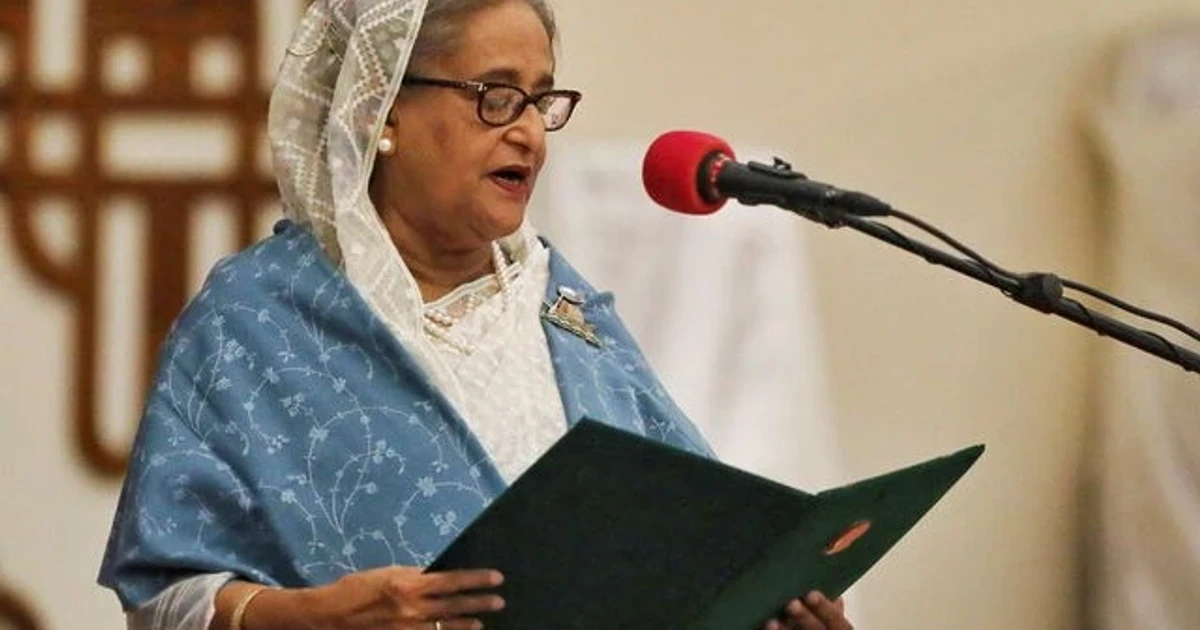
Sheikh Hasina said she planned to return to Bangladesh around December and surrender to authorities, a move that would send the former prime minister back into a country where a war-crimes court sentenced her to death in absentia and her party has been banned. She said she wanted to go back with senior Awami League colleagues and present herself to the court voluntarily.
Hasina’s decision sharpened the stakes around a case that has already upended Bangladesh’s politics. She fled the country in 2024 after protests ended her long rule, and the court later convicted her over a deadly crackdown on a student-led uprising. From exile in India, she has denied the charges and now says she understands the danger of returning.

She said she could be arrested or killed if she came back, but argued that she needed to return because her supporters were being repressed and because she wanted to be on the soil where her parents are buried. The planned surrender gives Bangladesh’s institutions a direct test: whether the courts, police and political leadership can handle the return of a former head of government facing a death sentence without pushing the country back into deeper turmoil.
The timing also matters for the government in Dhaka, which has spent two years trying to restore order after mass protests and a violent transition. Hasina remains one of Bangladesh’s most polarizing figures, yet she still commands loyalty among supporters, and a public return could become a rallying point for her backers as well as a trigger for further confrontation.
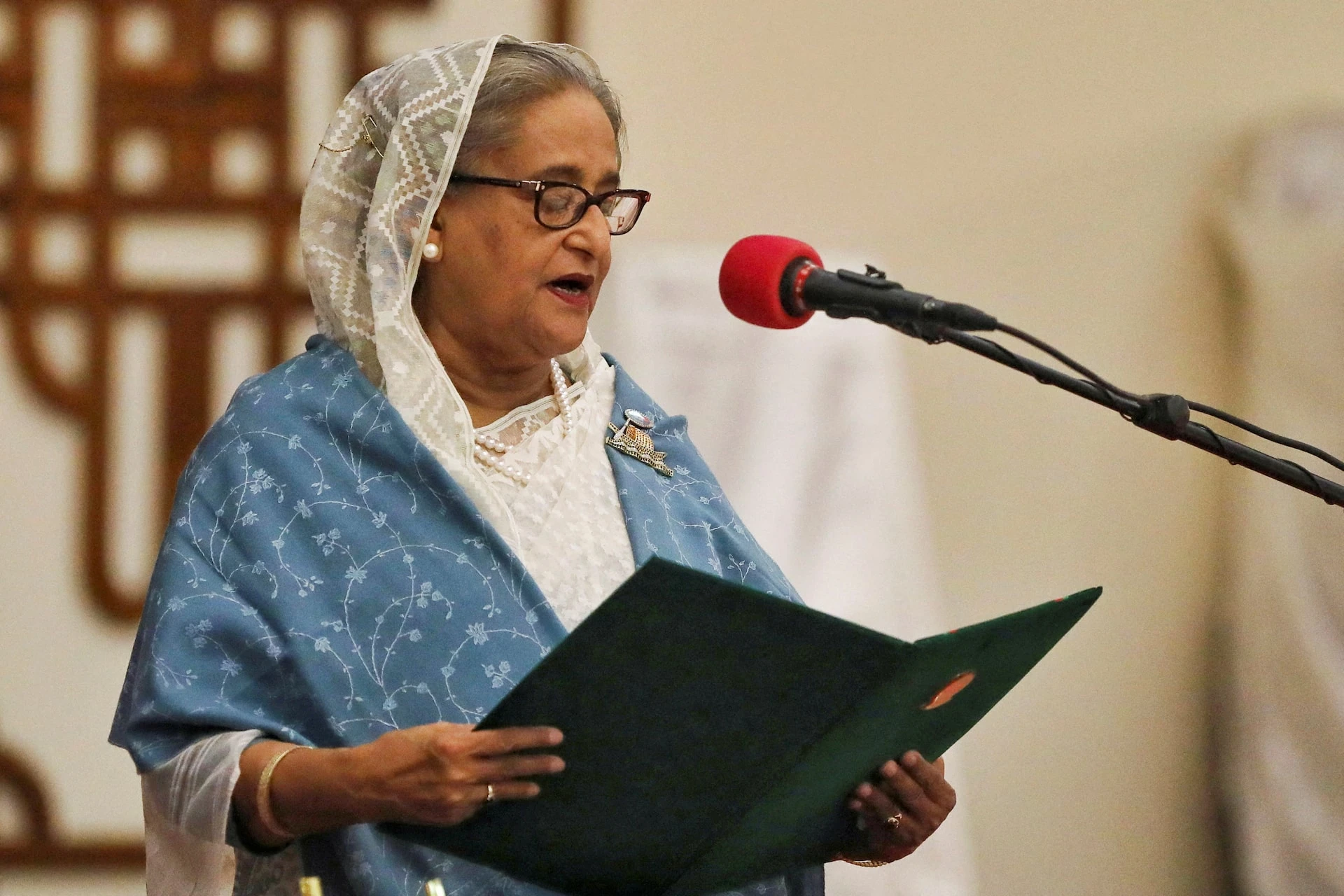
The implications extend beyond Bangladesh’s borders. India gave Hasina refuge after she left office, and Dhaka has pressed New Delhi to extradite her. A voluntary surrender would change the politics of that dispute, while also testing whether India continues to shield a former ally or recalibrates its stance as pressure builds from the Bangladeshi government.

For Bangladesh, a December return would not just be about one defendant walking into court. It would measure whether a post-exile government can enforce the law against an ex-prime minister, preserve stability under pressure and keep the country’s institutions credible in the middle of an unresolved political rupture.
Sources
- [1]usnews.com