Technology
Hassabis calls for U.S.-led AI watchdog to slow dangerous frontier models
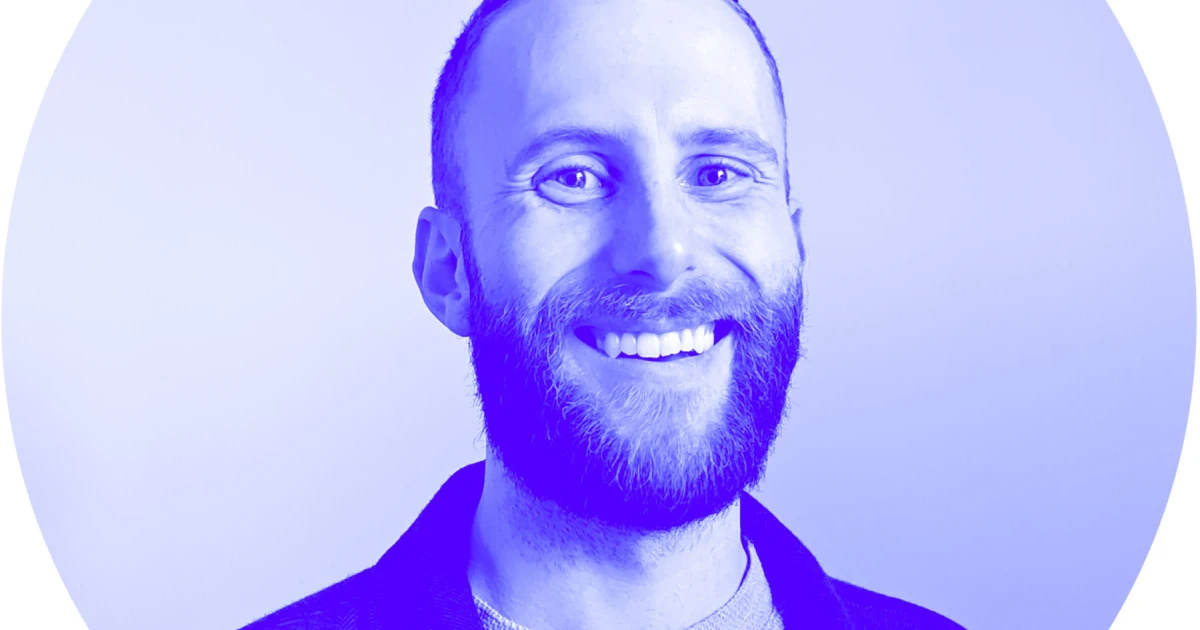
Demis Hassabis is urging the United States to create a new AI watchdog that could screen frontier models before deployment and coordinate an industry-wide slowdown if dangers mount. The Google DeepMind chief said the body should be led by the U.S. because of its “economic and technical standing,” and should include independent experts and representatives from open-source communities. He outlined the proposal in a manifesto titled A Framework for Frontier AI and the Dawning of a New Age.
Hassabis said the regulator should be able to evaluate the world’s most advanced models before they are released, giving the public sector a direct role in deciding when systems are too risky to move forward. He said the organization could be modeled in part on the Financial Industry Regulatory Authority, with the authority to press pause across the industry if frontier capabilities cross a dangerous threshold. In his framing, the point is not to block progress outright but to create a mechanism that can hit the brakes when the risks of deployment outweigh the benefits.

The push comes as Hassabis has sharpened his warnings about the pace of the field. In the manifesto, he said artificial general intelligence may be only a few short years away and described the moment as a “pivotal moment in human history.” He argued that humanity has a “precious window” to act before AGI arrives, placing the debate squarely on governance rather than speculative promise.
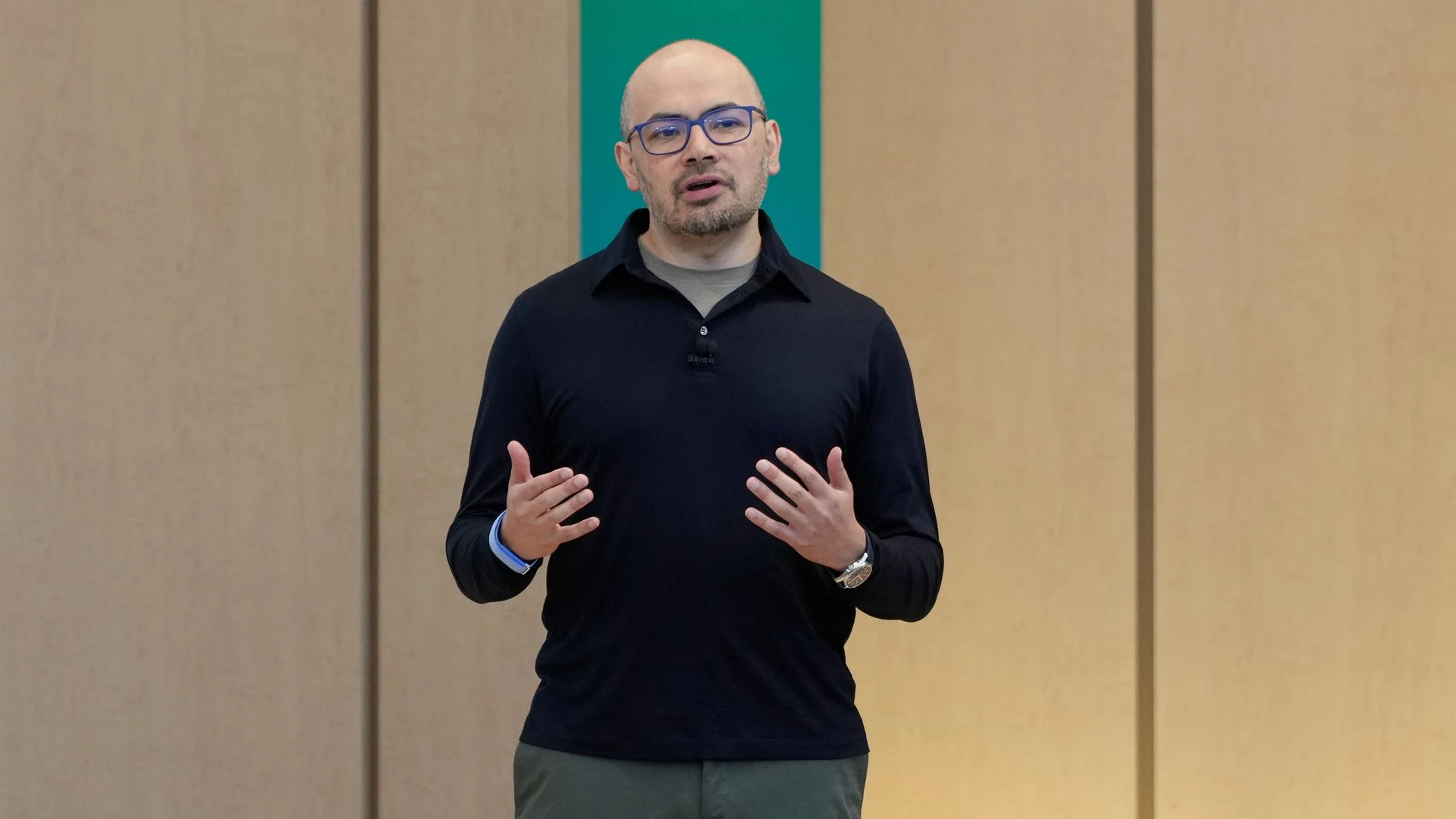
Hassabis and Anthropic chief executive Dario Amodei had already pressed a similar argument at a closed-door G7 lunch in Évian-les-Bains, France, on June 17, 2026, where they called for a U.S.-led coalition to shape AI rules and standards. That appeal linked the frontier AI debate to state power and international coordination, with the United States cast as the central organizer rather than one actor among many.
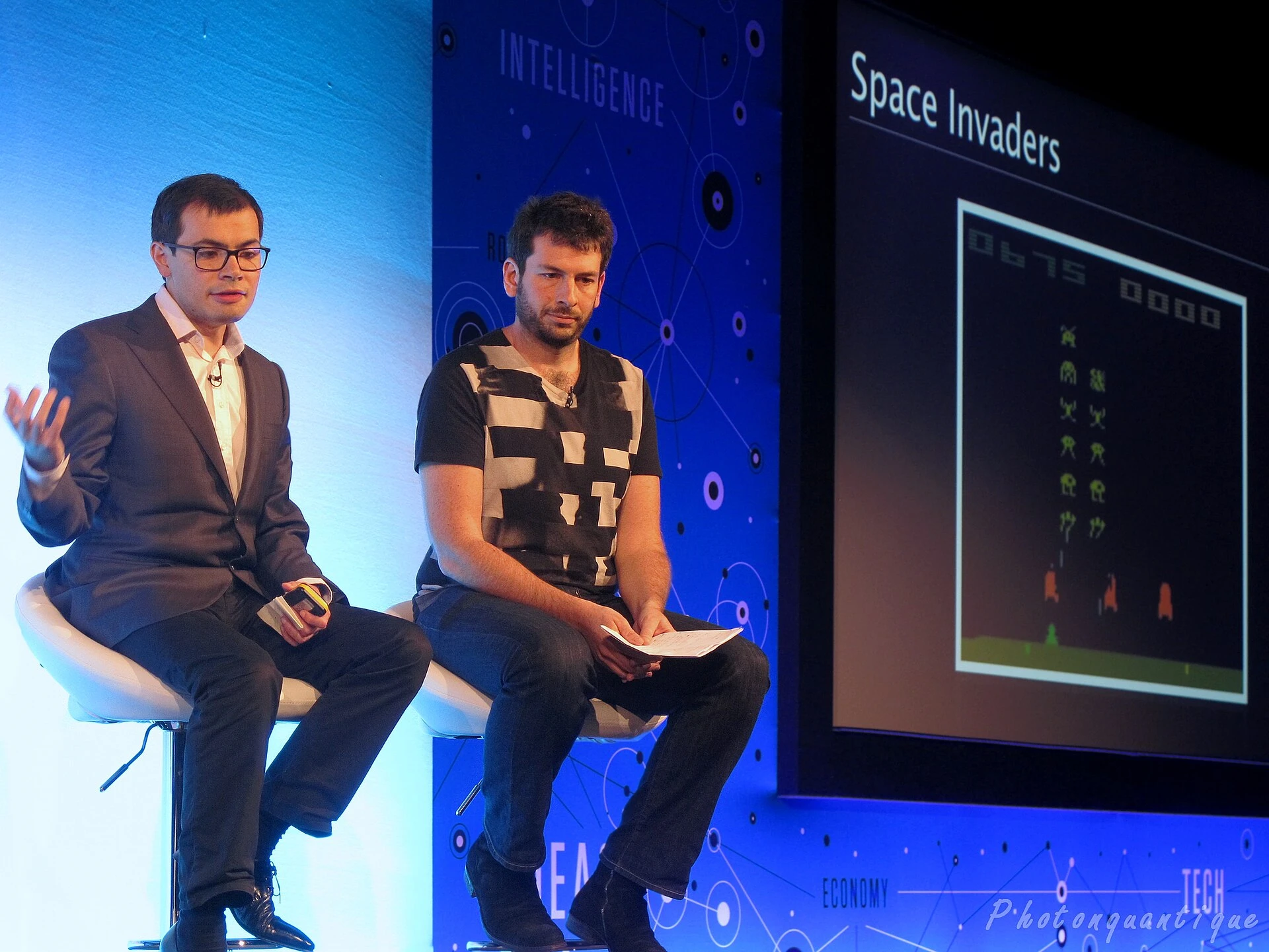
Google DeepMind has also been building its own internal safety architecture. The company published the third iteration of its Frontier Safety Framework in 2025 and updated it again in February 2025, presenting it as its most comprehensive approach to identifying and mitigating severe risks from advanced AI models. Hassabis’ latest proposal goes further by asking for a public watchdog with broader authority, suggesting that private safety systems alone will not be enough to govern models that could soon match or exceed human capability in critical domains.
Sources
- [1]theverge.com
- [2]axios.com
- [3]cnbc.com
- [4]deepmind.google