Technology
Hassabis calls for U.S.-led AI watchdog to slow dangerous models
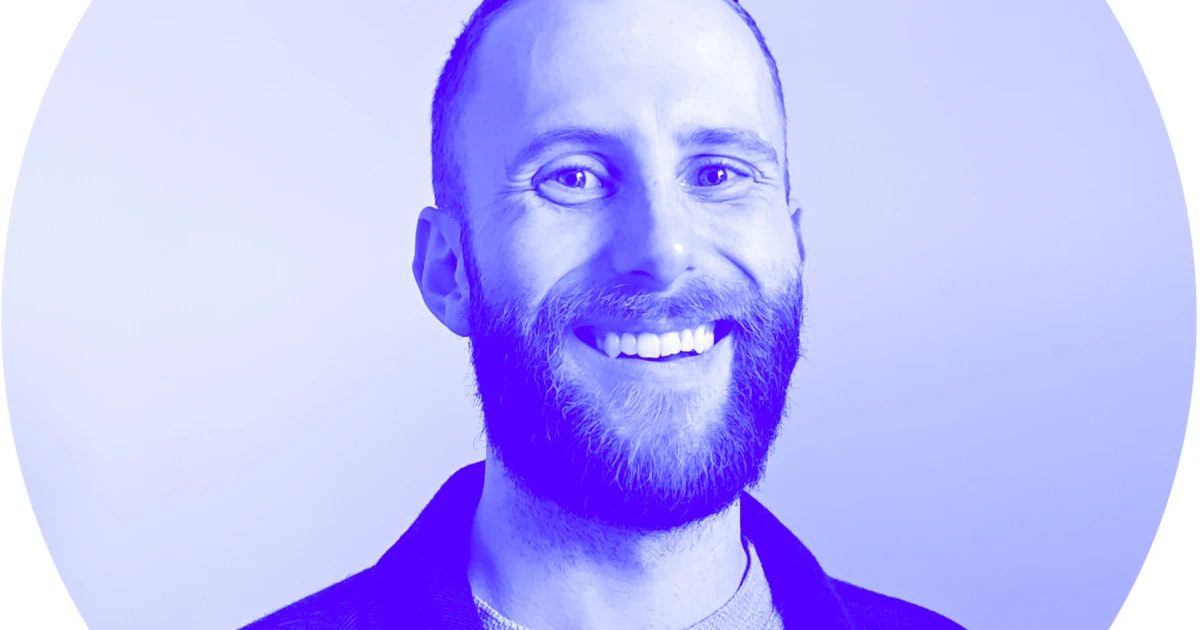
Demis Hassabis wants the United States to stand up a new AI watchdog with the authority to screen the world’s most advanced models and force an industry-wide slowdown if risks rise. In a manifesto titled A Framework for Frontier AI and the Dawning of a New Age, the Google DeepMind cofounder argued that AI regulation needs a more “systematic” approach, one built around an industry-funded body of technical experts answerable to the U.S. government.
The proposal is a bid to put real enforcement behind frontier AI governance. Hassabis said the body should be able to review the most powerful systems before deployment, not just publish voluntary guidance after the fact. That would put AI oversight closer to the way aviation regulators can ground unsafe aircraft or nuclear authorities can stop hazardous operations, with the difference that the target here is software models that can be copied, scaled, and deployed globally in days.
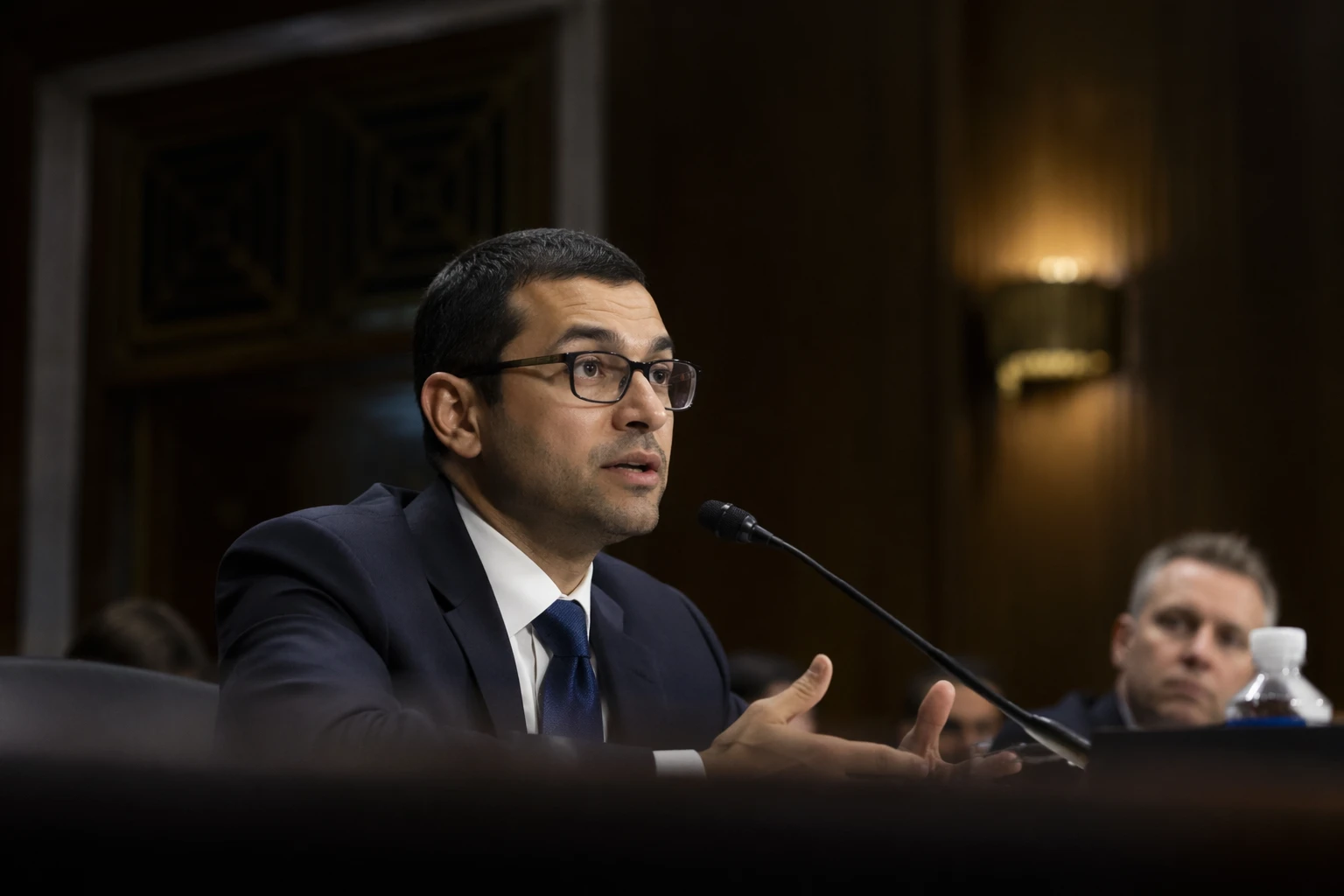
The choice of Washington is as political as it is technical. Hassabis said the U.S. is the best place to set global standards, a position that elevates American institutions over the United Nations or a looser international coalition. For U.S. tech firms, that would mean the center of gravity in frontier AI policy could shift toward a federal body with leverage over model releases, safety tests, and the pace of deployment. For policymakers, it would raise the question of whether the country that leads the market should also be the one that can hit the brakes.
The push comes as Google DeepMind has already built a tighter internal safety regime of its own. The company first launched its Frontier Safety Framework on May 17, 2024, to identify future capabilities that could cause severe harm and to apply evaluations and mitigations before deployment. It updated the framework again on April 17, 2026, adding a Critical Capability Level focused on harmful manipulation and expanding protocols for models that could destabilize AI research and development.
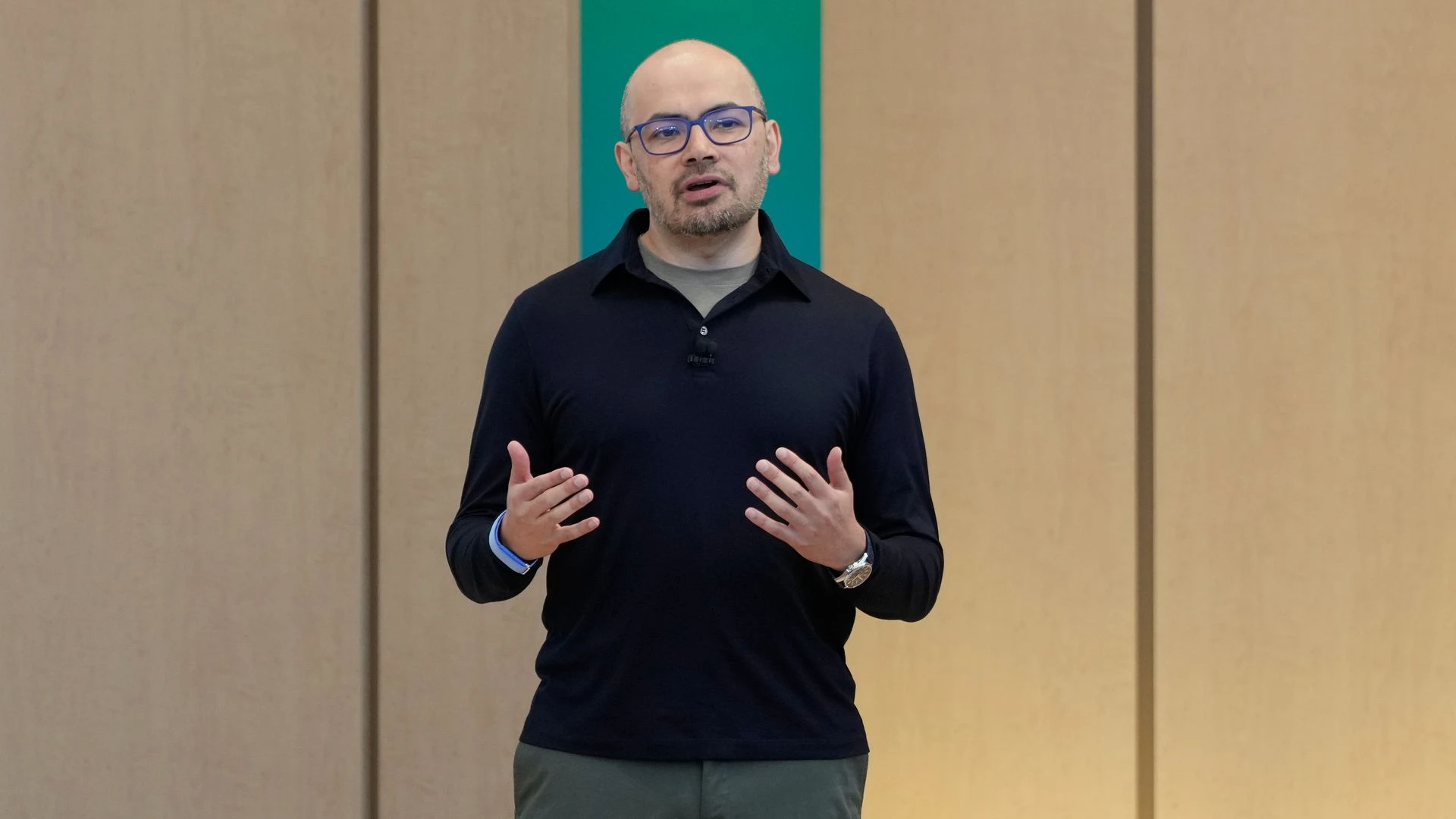
Hassabis’s warning also landed amid a broader scramble among top AI executives for geopolitical alignment. On June 17, 2026, Hassabis and Anthropic chief executive Dario Amodei pressed for a U.S.-led coalition during a closed-door G7 meeting in Évian-les-Bains, France, attended by about a dozen tech executives including OpenAI chief executive Sam Altman. Canadian Prime Minister Mark Carney agreed the U.S. could lead such an effort, giving the idea political cover as concerns grow over frontier models with advanced cyber capabilities and the export-control fights surrounding them.
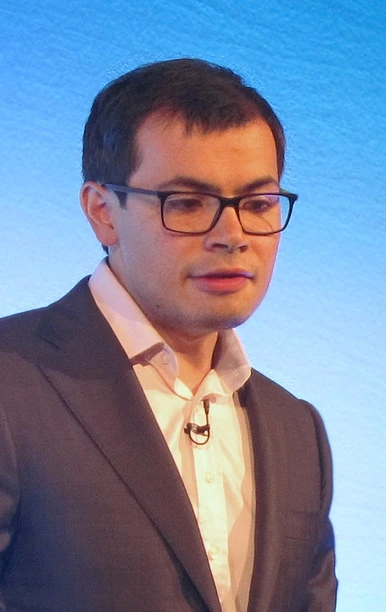
Hassabis framed the moment as narrow, saying AI may be nearing a “foothills of the singularity” stage. His case is that frontier systems are moving fast enough that voluntary safety pledges may no longer be enough, and that whoever writes the first enforceable rules may also shape the global market for the next generation of AI.
Sources
- [1]theverge.com
- [2]axios.com
- [3]deepmind.google
- [4]cnbc.com