World
Havana nights in the dark as Cuba's power crisis deepens
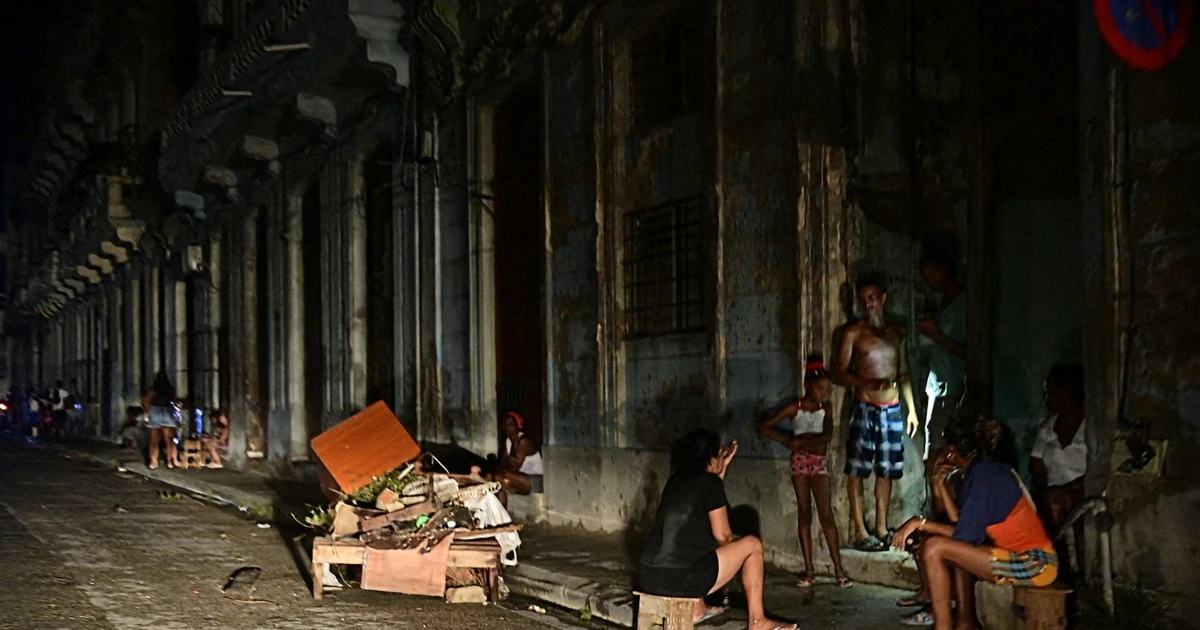
In Havana, darkness has become a measure of state failure. Repeated blackouts have left whole neighborhoods without light for hours at a time, turning ordinary routines into a scramble for fuel, food and safety as Cuba’s power grid keeps slipping under the strain.
The crisis is the product of more than one bad month. The United States has kept a comprehensive economic embargo on Cuba in place since February 1962, while Cuba’s energy system has been weakened for years by fuel shortages and chronic underinvestment. The island’s current hardship also echoes the Special Period, the devastating collapse that began in 1991 after the Soviet Union fell and Cuba lost the support that had long sustained its economy.
The electricity failures have been severe enough to shake the entire country. In October 2024, a nationwide blackout followed the failure of the Antonio Guiteras thermoelectric plant. Reporting that year said outages affected about 45% of Cuba at one point, and some blackouts lasted many hours a day. In March 2026, a collapse of the national grid again left large parts of the island without electricity.
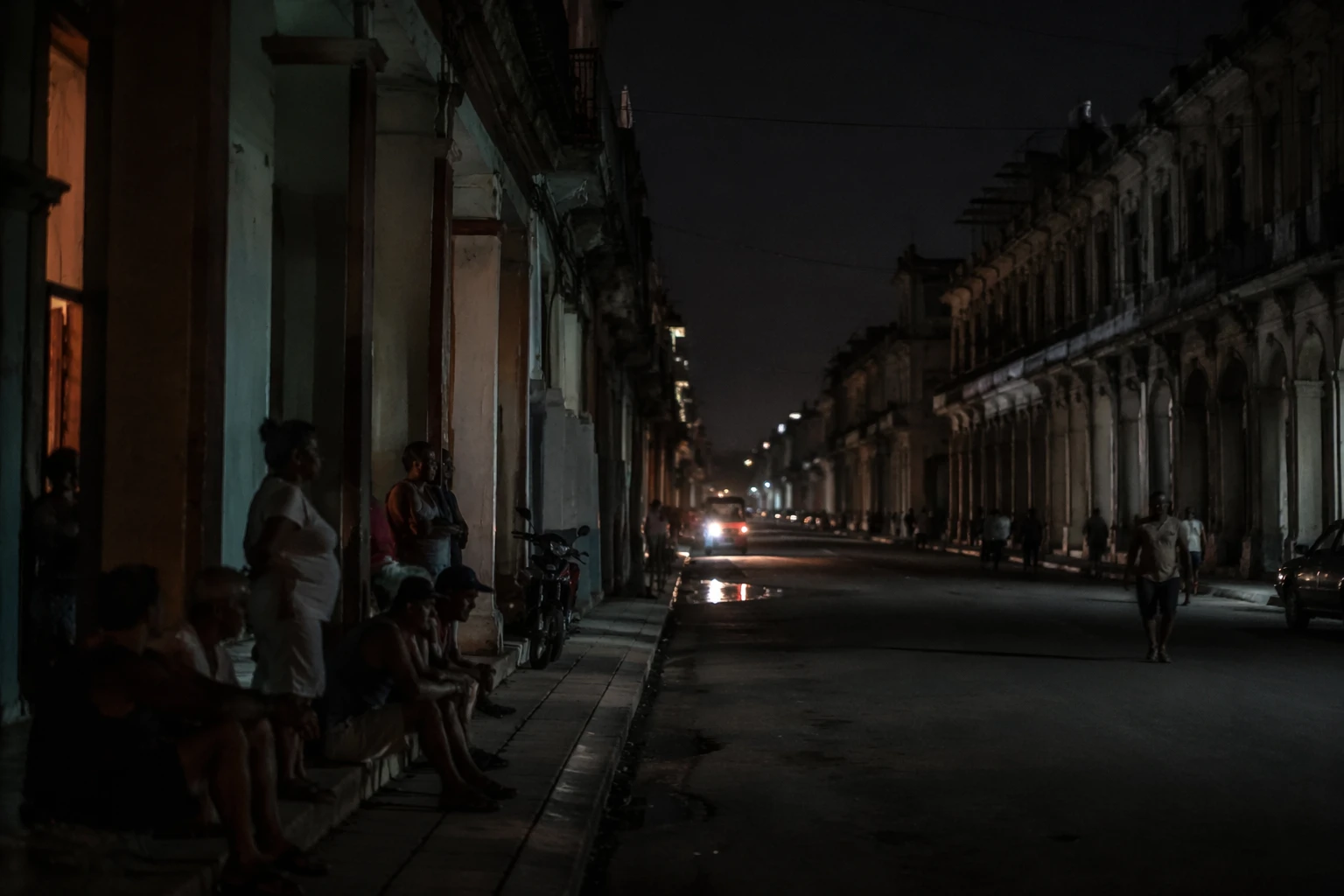
Those failures have reached beyond lights going out. Reuters and AP-linked reporting in 2026 described shortages of fuel, cooking gas and electricity that made life harder for elderly Cubans, households cooking with charcoal or firewood, and families dependent on generators. The outages have also hit transport and health care, while nighttime Havana has grown darker and less predictable.
The energy crisis has become part of Cuba’s broader political confrontation with Washington. In June 2026, the U.S. State Department said Cuba’s state oil company, Unión Cuba-Petróleo, was being sanctioned, while Cuban officials have blamed U.S. sanctions and fuel shortages for worsening the blackouts. Marco Rubio and other U.S. officials have cast the state energy system as part of what they call repression and mismanagement, a charge the government in Havana rejects.
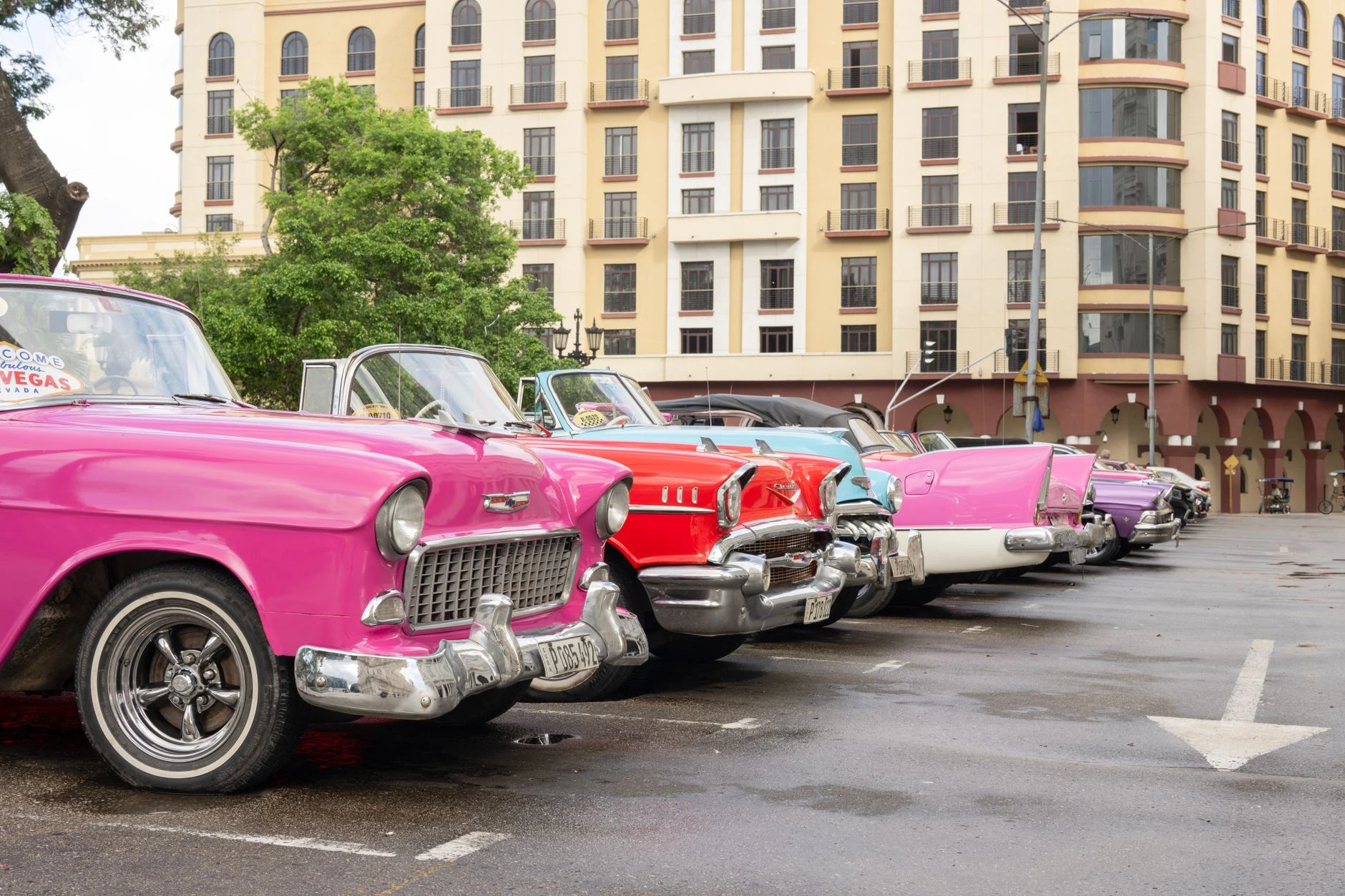
For Cubans, the immediate reality is simpler and harsher: the power may go out again tonight, and tomorrow’s work, meals and movement may have to be planned around it. The darkness now exposes the limits of Cuba’s ability to deliver the most basic public services.
Sources
- [1]nytimes.com
- [2]state.gov
- [3]cnbc.com
- [4]pbs.org
- [5]abcnews.com
- [6]aljazeera.com
- [7]apnews.com