Health
Having a baby in the U.S. can cost thousands, and more depends on delivery type
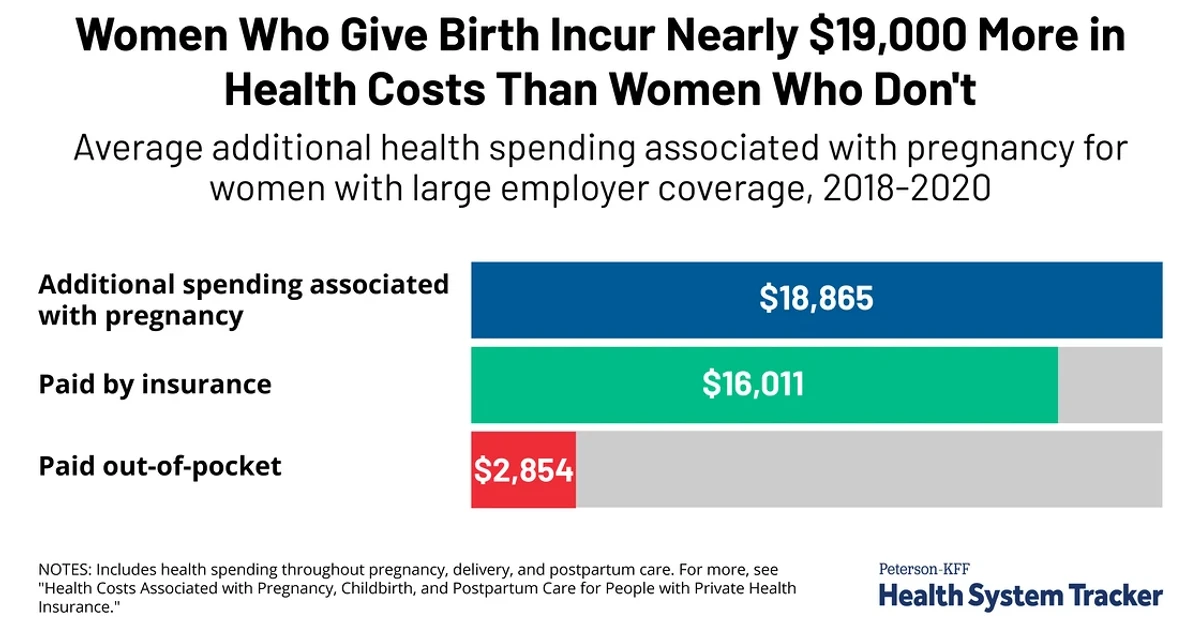
In KFF's newest analysis, women enrolled in employer plans faced an average cost of $20,416 for pregnancy, childbirth, and postpartum care, with $2,743 paid out of pocket; newborn care in the first three months added another $5,820 in total spending and $475 out of pocket.
What the bill really includes
The newest KFF analysis includes prenatal care, the birth itself, postpartum care, and infant care, which is why the total is higher than an earlier KFF estimate that put pregnancy and childbirth at almost $19,000, including $2,854 out of pocket. In that earlier analysis, women with a cesarean section spent an average of $26,280 more than comparable women who did not give birth, while vaginal delivery added $14,768.
For employer-plan enrollees specifically, the delivery totals are easier to compare directly: vaginal delivery averages $15,712 in total spending and $2,563 out of pocket, while cesarean section averages $28,998 total and $3,071 out of pocket. The out-of-pocket gap is much smaller than the total-spending gap, meaning insurers absorb much of the extra cost even as families still face thousands in cost-sharing.
Why the same birth can cost so differently
FAIR Health’s Cost of Giving Birth Tracker, updated on June 26, 2024, presents state-by-state and national median charge and allowed amounts for vaginal deliveries and C-sections, and it separates uninsured or out-of-network charges from in-network allowed amounts. In other words, the same delivery can land in very different price buckets depending on where care is delivered and whether every clinician is in network.
Childbirth billing can bundle the delivery itself, pharmacy, nursery, labor and delivery room charges, medical and surgical supplies, room and board for the mother, anesthesia, fetal nonstress tests, ultrasounds, laboratory work, and even a breast pump. Families often discover those line items only after the claim arrives, when a birth that felt like one event has been split into multiple billable pieces.
The coverage rules that can make postpartum care cheaper or more dangerous to miss

Medicaid is the largest single payer of pregnancy-related services and covers over 42% of births nationally. Under an option created by the American Rescue Plan Act of 2021, states can provide 12 months of postpartum Medicaid and CHIP coverage instead of the older 60-day cutoff.
One in three pregnancy-related deaths occur between one week and one year after childbirth, by CMS's count. The length of postpartum coverage is tied to follow-up visits, blood pressure checks, depression screening, diabetes care, and the treatment of complications that can emerge well after delivery.
Postpartum care is supposed to be a process, not a single appointment
ACOG recommends postpartum care as an ongoing process, with contact with an obstetrician or other obstetric care provider within the first three weeks after birth and a comprehensive postpartum visit no later than 12 weeks after birth. That visit is meant to assess physical recovery, mood and emotional well-being, infant care and feeding, contraception, sleep, chronic disease management, and overall health maintenance, rather than compressing everything into one six-week checkup.
In CDC data, the U.S. maternal mortality rate in 2023 was 18.6 deaths per 100,000 live births, and the burden is sharply unequal. CDC recorded 669 maternal deaths that year, with the rate for Black women at 50.3 deaths per 100,000 live births, compared with 14.5 for White women, 12.4 for Hispanic women, and 10.7 for Asian women. Rates decreased significantly for White non-Hispanic and Hispanic women in 2023 compared with 2022.
Where bills turn into financial strain
The cost burden does not end at the hospital door. A survey study of pregnant and postpartum women found that 24% reported unmet health care needs due to cost, 60% reported health care unaffordability, and more than half reported general financial stress. Separate claims-based research also linked childbirth-related out-of-pocket bills to medical debt, including bills sent to collections.
Sources
- [1]npr.org
- [2]kff.org
- [3]healthsystemtracker.org
- [4]fairhealth.org
- [5]cms.gov
- [6]acog.org
- [7]cdc.gov
- [8]medicaid.gov
- [9]publichealth.columbia.edu