Politics
Hawaii primary results show incumbents beating back progressive challengers
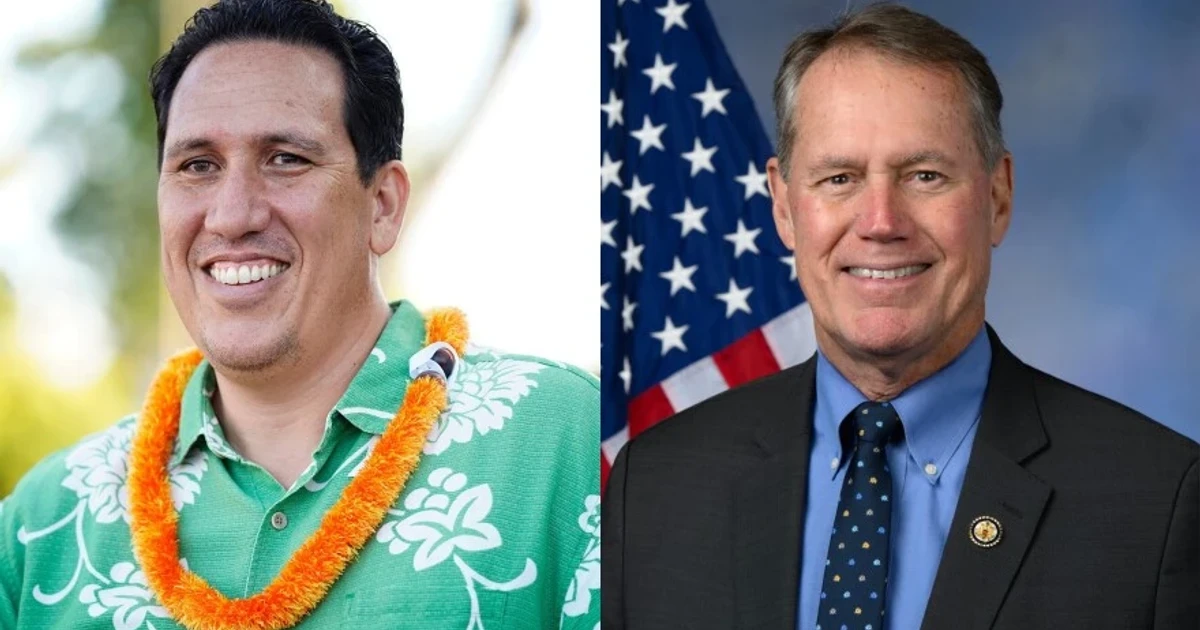
Ed Case beat Jarrett Keohokalole in Hawaii’s 1st Congressional District, keeping a veteran moderate in place and denying progressives a marquee upset in one of the nation’s bluest states. The race turned on generational change and Hawaii’s steep cost of living, but it ended with the 73-year-old Case still positioned as the state’s most durable federal Democrat.
Hawaii’s primary was held on Saturday, August 8, under a calendar that puts statewide primaries on the second Saturday in August and the general election on the first Tuesday after the first Monday in November. The Office of Elections said voters were expected to receive primary ballots by Tuesday, July 21, and BallotReady said more than 97 positions were on the 2026 ballot, ranging from federal seats to county offices. In a state that has voted Democratic in every presidential election except 1972 and 1984, that made the primary the real contest in many races.
The lieutenant governor race showed the same intraparty strain. PBS Hawaii said five Democrats were on the ballot, Della Au Belatti, John Choi, Derek Kawakami, Sam Puletasi and Ku Lono Cuadra, after incumbent Sylvia Luke opted not to seek re-election amid probes by the State Attorney General and the Campaign Finance Commission. The open race pushed questions of housing costs, living expenses and governance to the center of the Democratic conversation, even as the party tries to hold together its activist base and its older, more institutional wing.
The rest of the ballot underscored how little room there is for a November-style referendum in Hawaii. Hawaii News Now said about 23 candidates were unopposed in legislative and county council races, and KHON2 noted that the state’s heavy Democratic tilt makes some primary contests more important than the general election itself. That dynamic gives incumbents a structural edge, especially when challengers campaign on change but cannot expand beyond the party’s left flank.
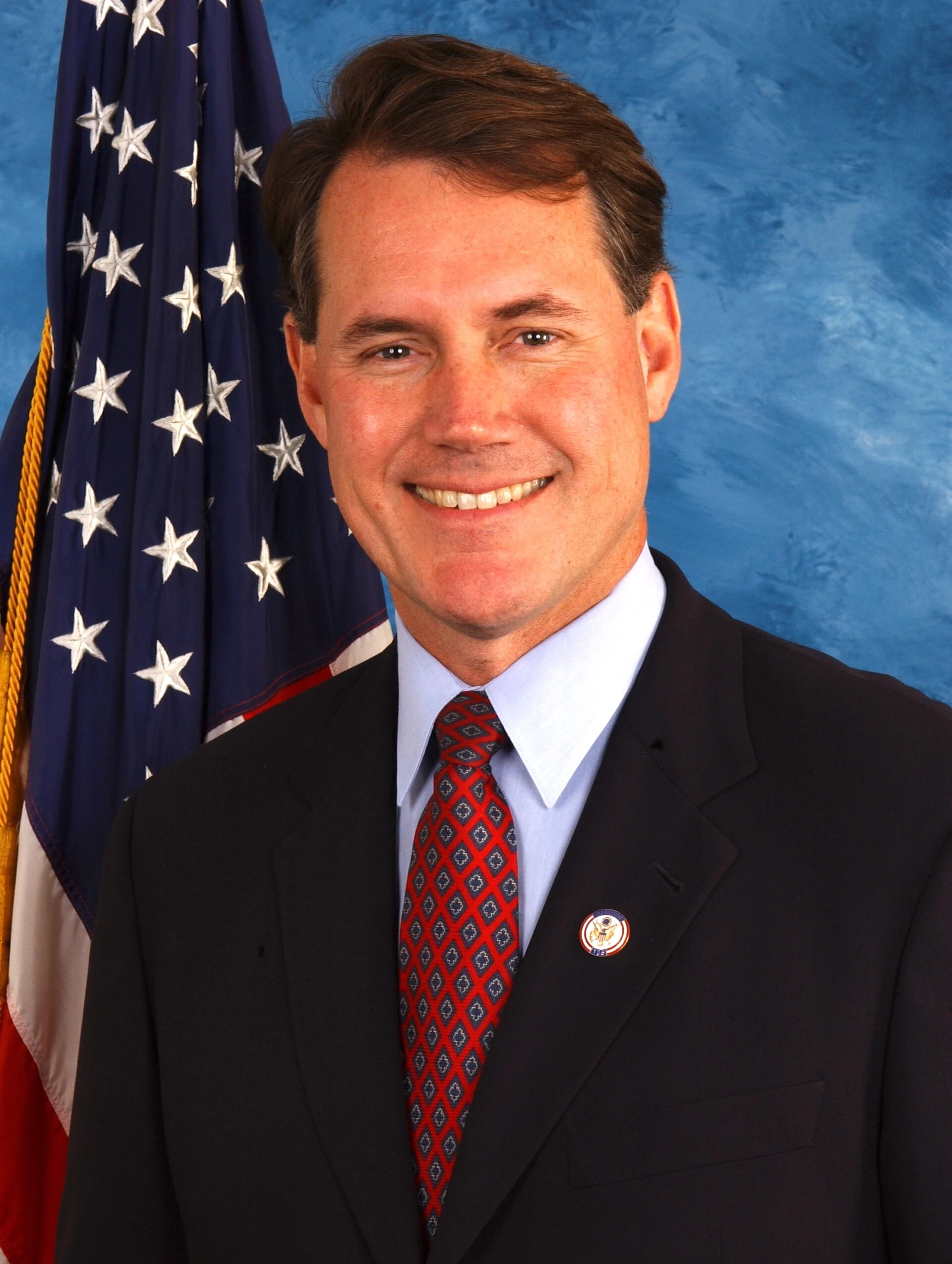
For Democrats looking at the wider 2026 map, Hawaii’s results reinforced a familiar pattern: in deep-blue territory, the biggest fight is often over who gets to define the party before Election Day. Case now heads toward another term as a credible general-election figure, while the open lieutenant governor contest and the long list of uncontested local races show a party still sorting its future inside its own primaries.
Sources
- [1]news.google.com
- [2]elections.hawaii.gov
- [3]ballotready.org
- [4]khon2.com
- [5]hawaiinewsnow.com
- [6]youtube.com
- [7]multistate.us
- [8]usnews.com
- [9]270towin.com
- [10]honolulu.gov