Politics
Healey resignation deepens Labour crisis over defence spending row

John Healey’s resignation has turned a dispute over defence funding into a wider test of Keir Starmer’s authority. The loss of armed forces minister Al Carns immediately afterwards deepened the sense that Downing Street has lost control of a brief central to national security.
Healey resigned on 11 June 2026 after clashing with the government over military spending and the long-delayed Defence Investment Plan. He said the proposed settlement “falls well short” of what is required and warned that the government’s choices could leave the United Kingdom less safe. The criticism went beyond a familiar cabinet disagreement, because it came from the defence secretary responsible for defending the very spending plans he was now rejecting.
The row lands against the backdrop of the Strategic Defence Review, published on 2 June 2025 as a 10-year vision for UK defence. The review set out 62 recommendations, all of which the government said it accepted, but the spending plan meant to turn that blueprint into action has been held up by funding disagreements. The government had wanted to publish the Defence Investment Plan before a NATO summit in Turkey the following month, yet the delay has left questions hanging over major alliance-linked programmes, including GCAP.
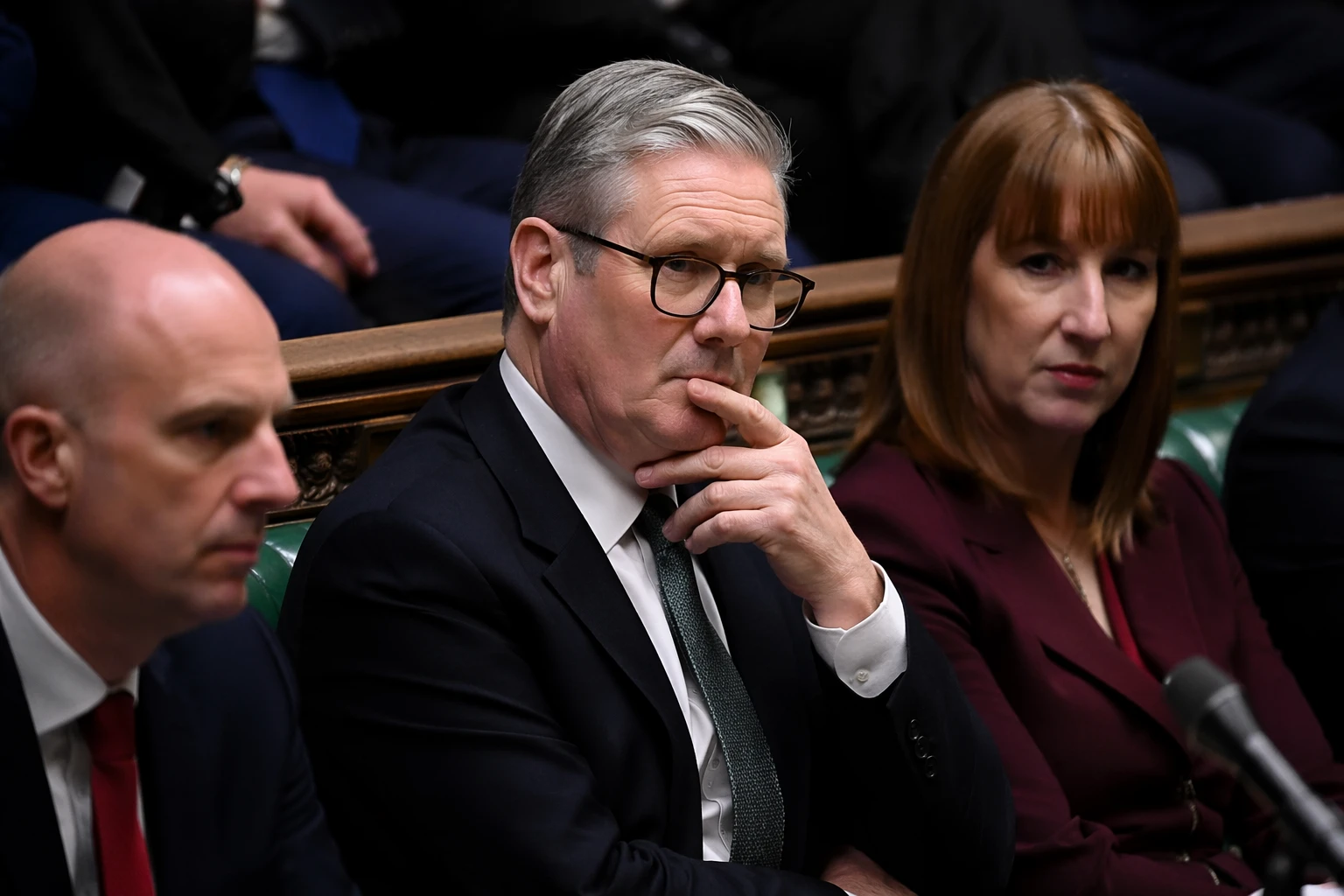
That timing matters because the argument over defence is colliding with Labour’s own internal instability. Reports from Westminster said dozens of Labour MPs were already pressing Starmer to quit, while at least two leadership contenders were waiting in the wings. In that atmosphere, the resignation of a senior minister publicly arguing that the prime minister’s decisions put national security at risk is not just embarrassing. It feeds the suspicion that policy, party discipline and personal authority are all beginning to fracture at once.
The immediate issue is whether this was an isolated clash over the Treasury’s refusal to loosen the purse strings, or the clearest sign yet of a government losing coherence under pressure. Healey’s departure, followed by Carns, suggests the defence dispute has moved well beyond one minister and one budget line. For Starmer, the danger is that a row over spending becomes a judgment on competence, and then on survival.
Sources
- [1]bbc.com
- [2]yahoo.com
- [3]msn.com
- [4]gov.uk
- [5]commonslibrary.parliament.uk
- [6]chathamhouse.org
- [7]telegraph.co.uk