Politics
Healey’s resignation exposes Labour’s defence spending row
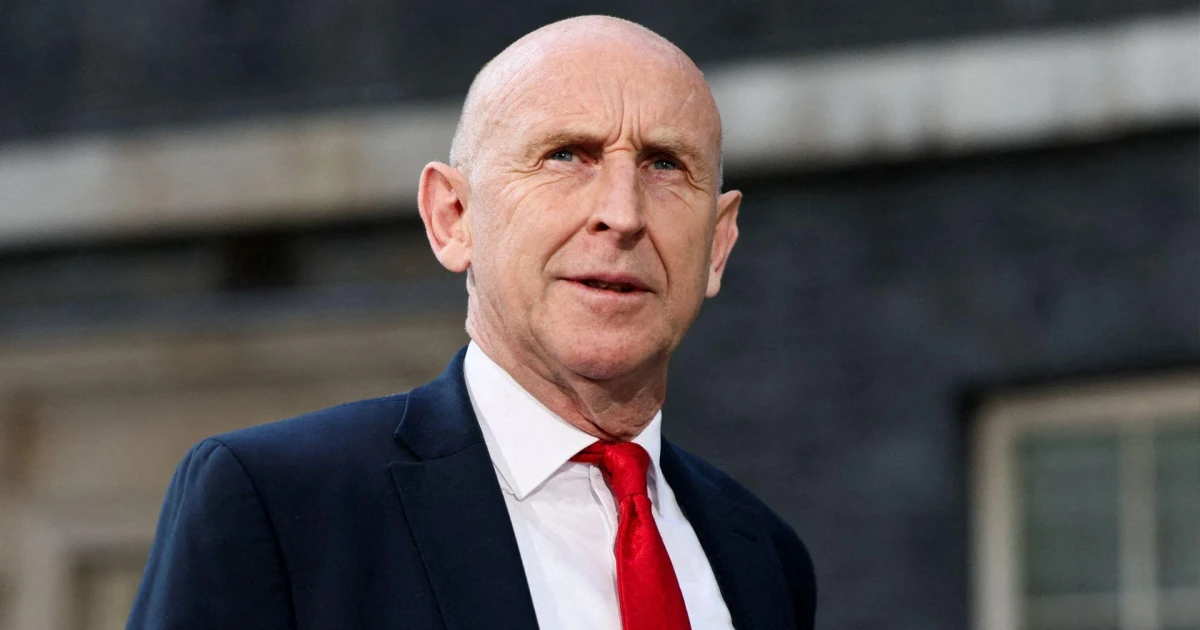
John Healey resigned as defence secretary after a battle inside government over the long-delayed military spending plan, saying the proposed settlement for the Defence Investment Plan "falls well short" of what is required for defence and the country at this dangerous time. His departure lands in the middle of a wider fight over Labour’s spending promises, with the Ministry of Defence said to believe it needed an extra £28bn over the next four years to meet forecast costs, well above the £15bn increase already committed to by Sir Keir Starmer.
The row is not just about one department’s budget line. Healey had warned that some military projects were likely to be cut or cancelled because of financial pressures, and that the armed forces would have to "dial back" training and operations if they did not get more cash. That makes the defence settlement a direct competitor to other claims on the public purse, especially as Rachel Reeves prepares a spending review in which the government’s latest plans were said to be settled but with little wiggle room.


Starmer has defended what he called "hard-edged" decisions on defence spending and said extra money for the armed forces was the "number one priority at every spending review." The numbers show how tight the squeeze is. The £15bn defence rise has already been funded by cuts to investment budgets elsewhere, which means every further promise now collides with another commitment, whether that is military readiness, NHS funding, schools or capital spending in other departments.


Healey’s resignation is politically awkward because he was seen as a loyal minister who avoided briefing against colleagues, making his exit over money unusually damaging for the government. MPs and scrutiny bodies have already warned that delays to the defence plan and uncertainty over funding could undermine the UK’s credibility with allies. For a government trying to prove that it can protect security without losing control of the public finances, the resignation turns a Whitehall funding dispute into a live test of how far Labour can stretch its fiscal rules before one promise has to give way.
Sources
- [1]bbc.co.uk
- [2]bbc.com
- [3]youtube.com