Health
Health warnings issued over toxic neon makeup this festival season
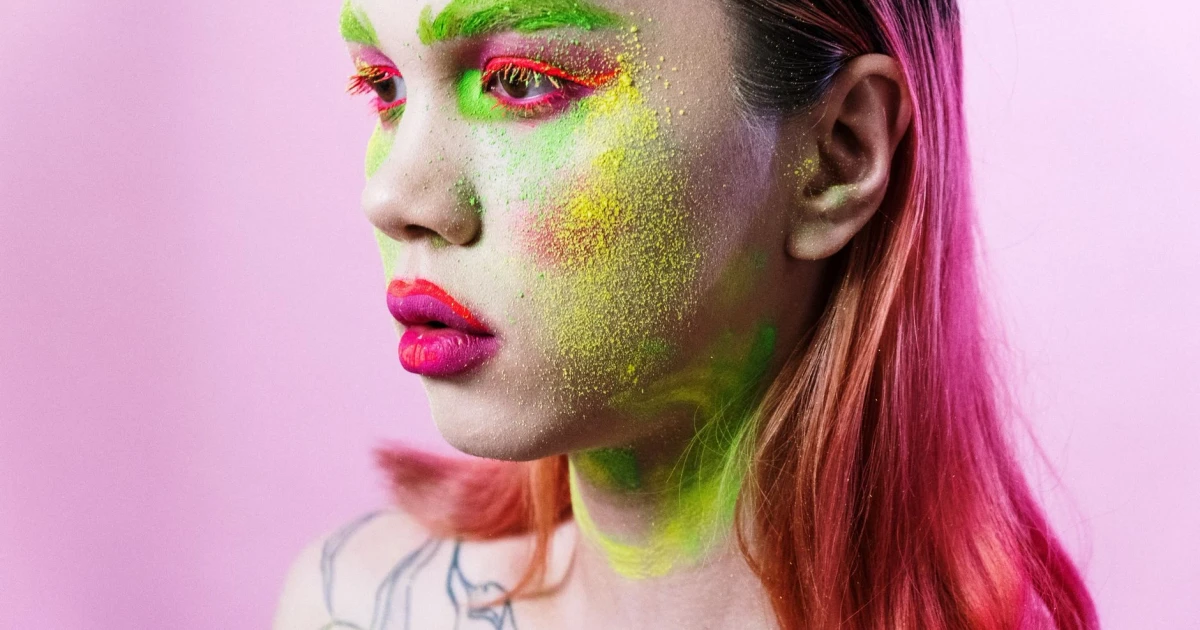
On 3 April 2026, the Chartered Trading Standards Institute warned consumers to avoid the "Toxic Glow-Up" this festival season after it found that some neon cosmetics can contain colourants that are banned or fail cosmetic safety standards. The warning centered on neon make-up, face paints and body paints, where vivid packaging can hide ingredients that are acceptable in one use and off-limits in another.
Why neon makeup is drawing scrutiny
Bright pigments are not automatically unsafe, but they are more likely to raise questions about what sits behind the colour. CTSI’s warning reflects a basic rule in cosmetics oversight: ingredients must be permitted for cosmetic use, not merely approved for some other purpose. Festival products often blur categories, mixing make-up, novelty items and special-effects materials into the same display.
Under FDA guidance, novelty makeup should not be used on the face or around the eyes unless it is specifically intended for cosmetic use. That distinction is important in stores where neon products may be marketed as costume accessories, body paint or festival effects rather than as conventional makeup. If the label does not clearly place the product in the cosmetic category, the safest assumption is that it may not belong on skin that is sensitive, broken or close to the eyes.
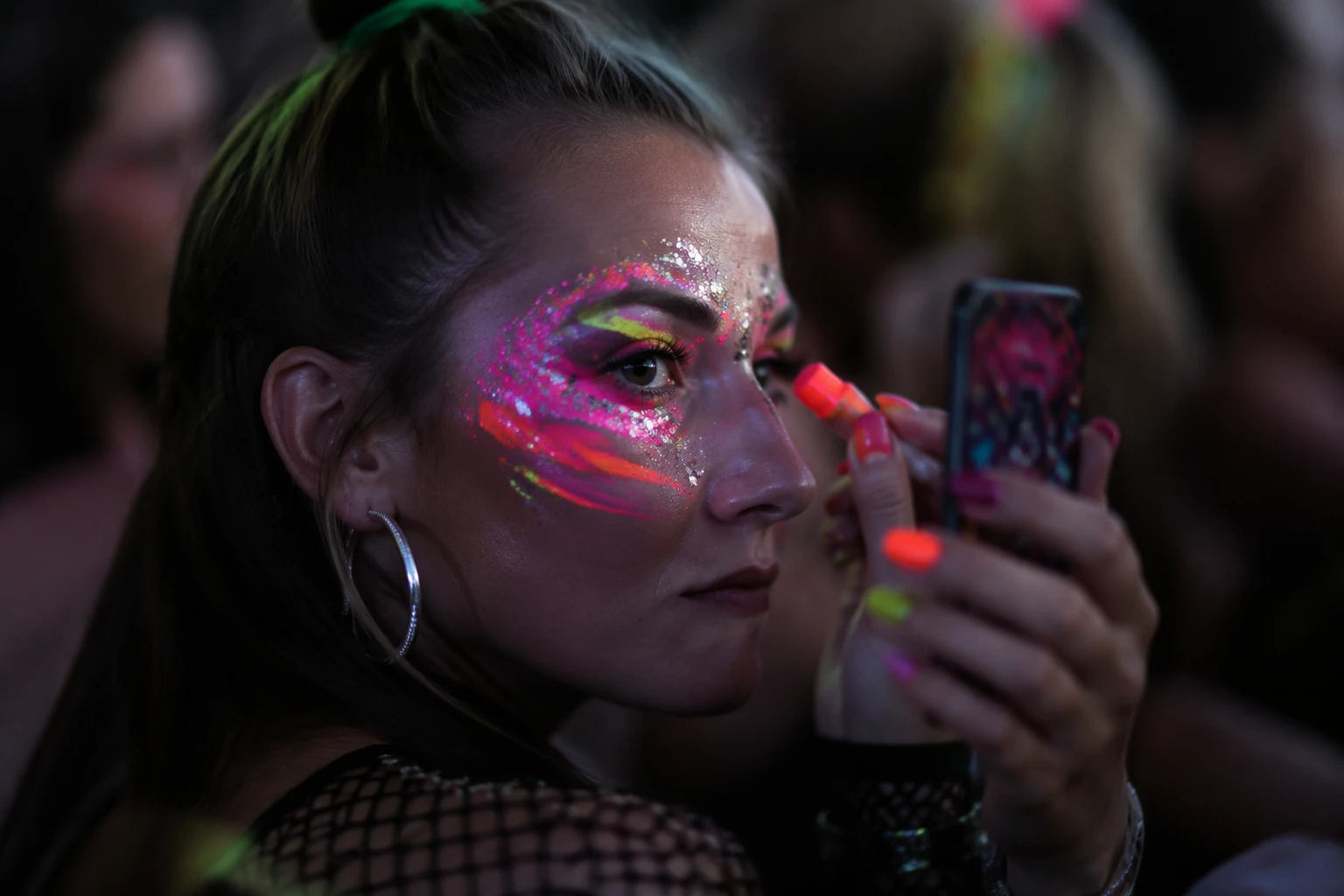
The labels and ingredients that should make you pause
Certain label words should trigger extra caution before a product goes anywhere near skin. The clearest red flags are phrases such as "not for cosmetic use" and "for hair and special effects" when the item is intended for the face, lips or body. Do not assume that pigments sold for special-effects work or hair use are safe on skin.
Ingredient names matter too. D&C Red No. 27 has a specific regulatory status under the FDA's color-additive rules, which distinguish between permitted cosmetic uses and uses that are not allowed. Makeup ingredient lists also use Red 27 Lake and Red 28 Lake, which is one reason shoppers see the same colour family described in different ways across neon eye looks and festival kits.
Skin condition matters as well. Commonly flagged risk factors include broken or irritated skin, because damaged skin can be more vulnerable to irritation and absorption. Phototoxicity is another concern in this category, alongside straightforward irritation from pigments and other ingredients that were never meant for prolonged skin contact.

How regulators are policing the market
CTSI’s April notice was aimed at shoppers buying festival products in the UK, and it directed consumers to be especially careful with those items. The institute also pointed people to Citizens Advice, whose consumer helpline is 0808 223 1133, for questions about dubious cosmetic labels before use.
In the United States, the FDA draws a sharp line around novelty makeup and allergens. Products are not for use on the face or around the eyes unless they are specifically intended for cosmetic use, and cosmetic ingredients can trigger allergic reactions in some users. That framework does not ban bright colour; it requires the product to be fit for the body area and use case it claims to serve.
Canada takes a similar ingredient-safety approach. Health Canada regularly reviews cosmetic ingredients and prohibits or limits ingredients that present health risks. A single product may look harmless on a shelf but still contain a colourant or additive that fails safety expectations for direct skin use.

What to check before buying the look
The fastest way to reduce risk is to read the label as carefully as you read the colour swatch. Look for a clear statement that the product is intended for cosmetic use, and treat any warning that it is for hair, novelty use or special effects as a sign to keep it off the face and away from the eyes. If the product lists a pigment or colourant you do not recognize, that is a reason to stop and check before applying it to skin.
A practical screening process helps: • Check whether the product is explicitly meant for cosmetic use. • Avoid anything marked "not for cosmetic use" or "for hair and special effects" if you plan to wear it on skin. • Keep novelty makeup away from the eyes unless the packaging says it is intended for that area. • Be extra cautious if your skin is broken, irritated or already reacting to other products. • If you are unsure, use the Citizens Advice helpline on 0808 223 1133 before you buy or apply it.
Sources
- [1]bbc.co.uk
- [2]tradingstandards.uk
- [3]wired-gov.net
- [4]fda.gov
- [5]canada.ca
- [6]hfpappexternal.fda.gov
- [7]cosmeticsinfo.org
- [8]reddit.com
- [9]performancemakeup.com
- [10]teenvogue.com