US News
Heartbroken in-laws choose guns over grandkid visits
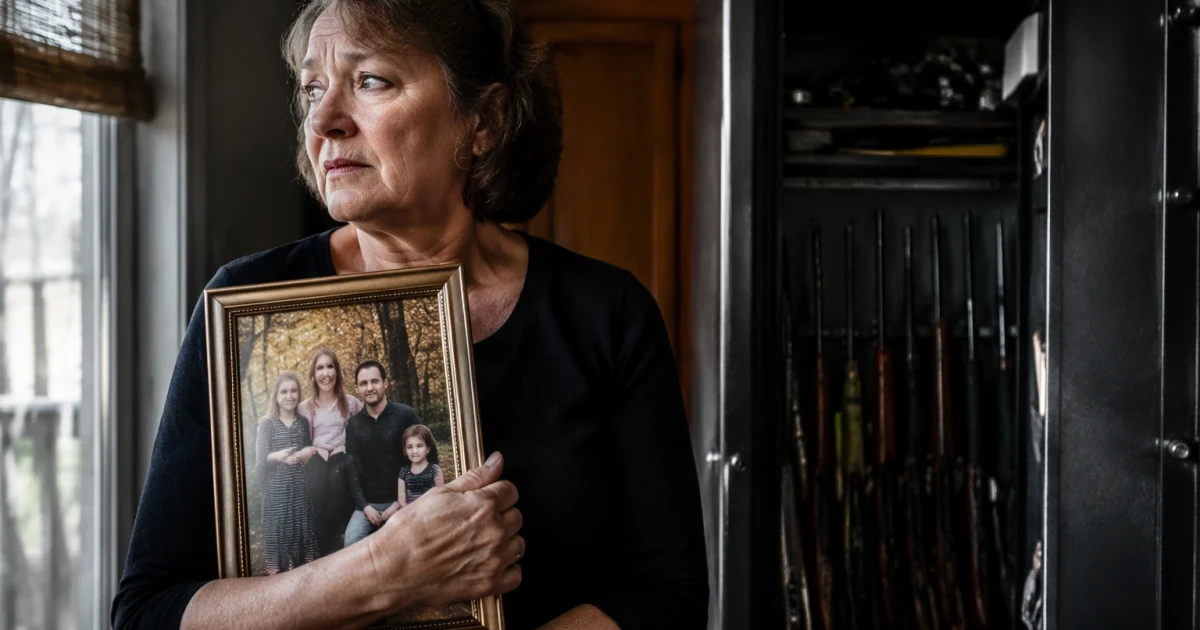
Children stay away until a gun safe is in place. That is the hard line at the center of a Washington Post advice column, and it reflects a much broader national tension over how gun ownership inside a home affects trust, child access and the rules families set before anyone walks through the door.
Why this conflict keeps resurfacing
The pain in this kind of disagreement comes from how ordinary it is. Parenting and advice columns keep returning to the same dilemma, from a Motherly piece in 2020 about keeping in-laws from babysitting over gun safety to a SheKnows headline that took an even harder line, saying grandparents who refuse to use a gun safe do not deserve grandchild visits.
That question is now part of everyday public health messaging, not just household etiquette. Multnomah County’s ASK campaign asks: “Is there an unlocked gun in the home where your children or grandchildren play?” It treats gun storage as a family-safety issue that can be raised before a visit, not after a child has already been exposed to a risk.
What pediatric guidance asks families to do
The American Academy of Pediatrics tells parents to ask about guns in homes where children visit. The premise is straightforward: if a child is going to spend time in another home, the adults responsible for that child need to know whether firearms are present and whether they are stored safely. That advice exists because children can find and access guns in homes where they are visiting, especially when the gun is left unlocked.
More than half of all U.S. gun owners store firearms unlocked, according to Johns Hopkins’ Center for Gun Violence Solutions. That helps explain why so many family conversations end up at the same point: a parent does not need to oppose gun ownership to insist on secure storage before a child enters the home. The argument is less about ideology than about whether the adults can verify that children will not be able to reach a firearm.
Gun injuries have been the number one killer of children and teens for three consecutive years, a Washington Post gun-safety explainer notes. The family dispute sits inside a wider child-safety crisis, which is why the question feels so much larger than one visit with grandparents.
How law changes the stakes
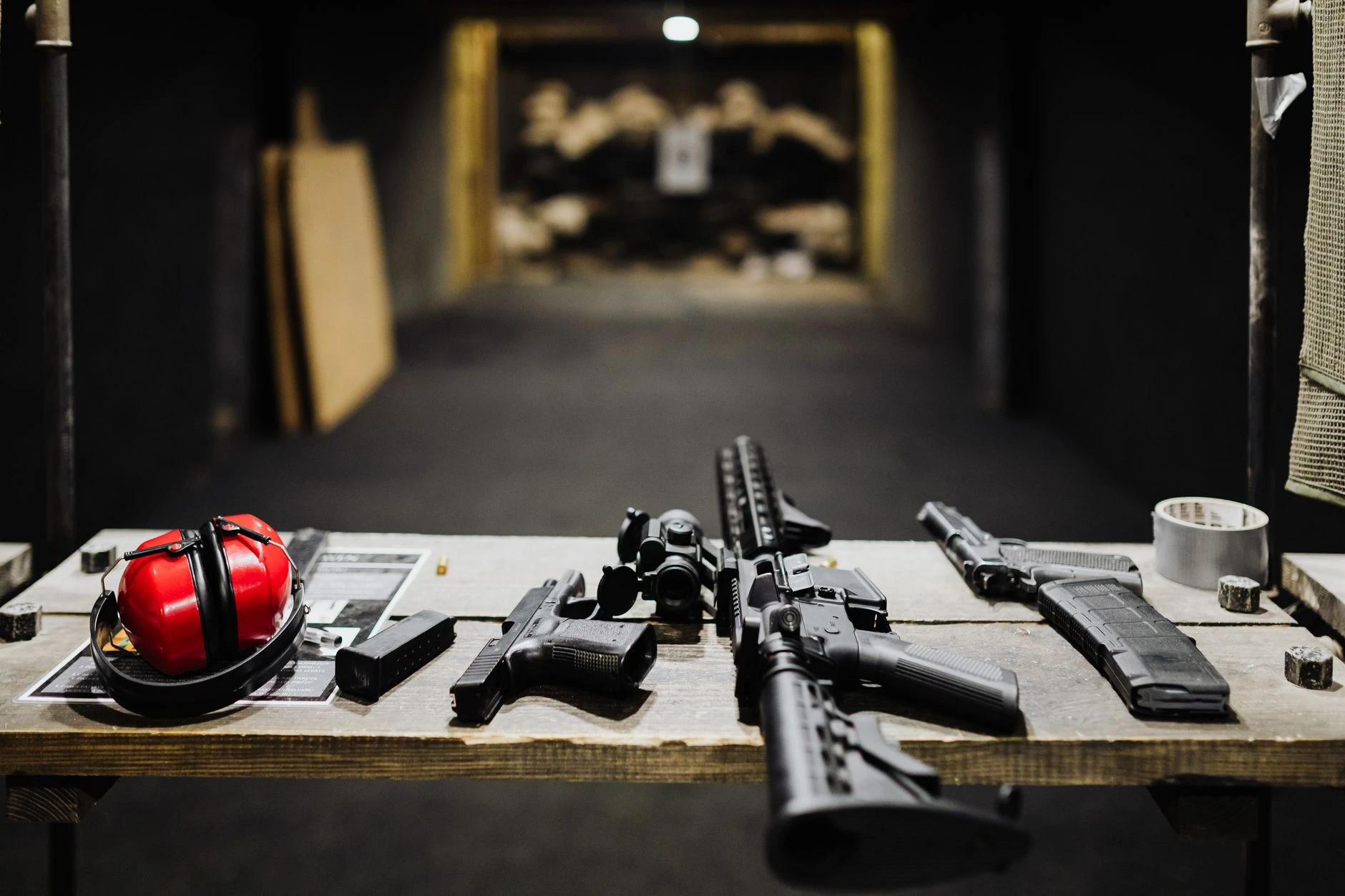
Family rules about gun storage sit alongside state child-access prevention laws, which add a legal layer to what might otherwise feel like a private decision. These laws allow prosecutors to bring charges when adults intentionally or recklessly leave guns accessible to minors. That means a household decision about storage can carry consequences beyond family tension if a child gets access to a firearm.
Michigan enacted a child-access-prevention and safe-storage law in 2023, joining a broader push to make gun access around minors more legally accountable. Lawmakers have increasingly treated unsecured firearms around children as a preventable hazard rather than a purely personal choice.
What families are really negotiating
In practice, these conflicts are rarely about one side winning an argument. They are about whether grandparents can accept a condition that makes their home safe enough for children, and whether parents can trust that condition to stay in place.
That line is also what makes the issue emotionally charged. Grandparents may hear a safety condition as a judgment on their responsibility; parents hear the absence of secure storage as a reason to keep their children away. The child’s access to the home rests on whether the firearms are truly out of reach.
Sources
- [1]news.google.com
- [2]washingtonpost.com
- [3]healthychildren.org
- [4]publichealth.jhu.edu
- [5]rand.org
- [6]giffords.org
- [7]multco.us
- [8]mother.ly
- [9]sheknows.com