Health
Heat alert leaves ambulance service struggling to reach M25 patients
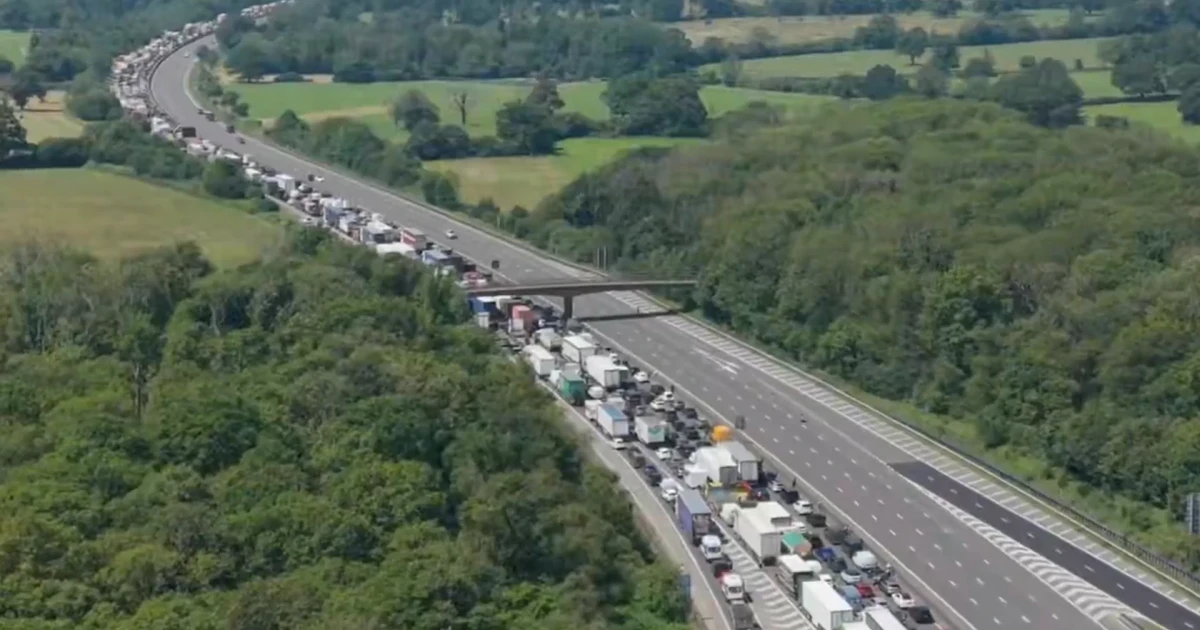
Ambulance crews were struggling to reach patients trapped in traffic on the M25 between junctions 5 and 6 in Surrey after an earlier collision closed lanes and left some vehicles stationary for several hours. South East Coast Ambulance Service said the jam had become “severe and prolonged” during a Red Heat Alert, turning a motorway delay into a public-safety problem.
SECAmb said it had received calls from people suffering from heat-related illnesses, including coach passengers caught in the backlog. The service said heavy traffic was making it difficult for ambulance clinicians to get to some patients as quickly as they wanted, and that it was working with partner agencies to improve access and prioritise those most in need.
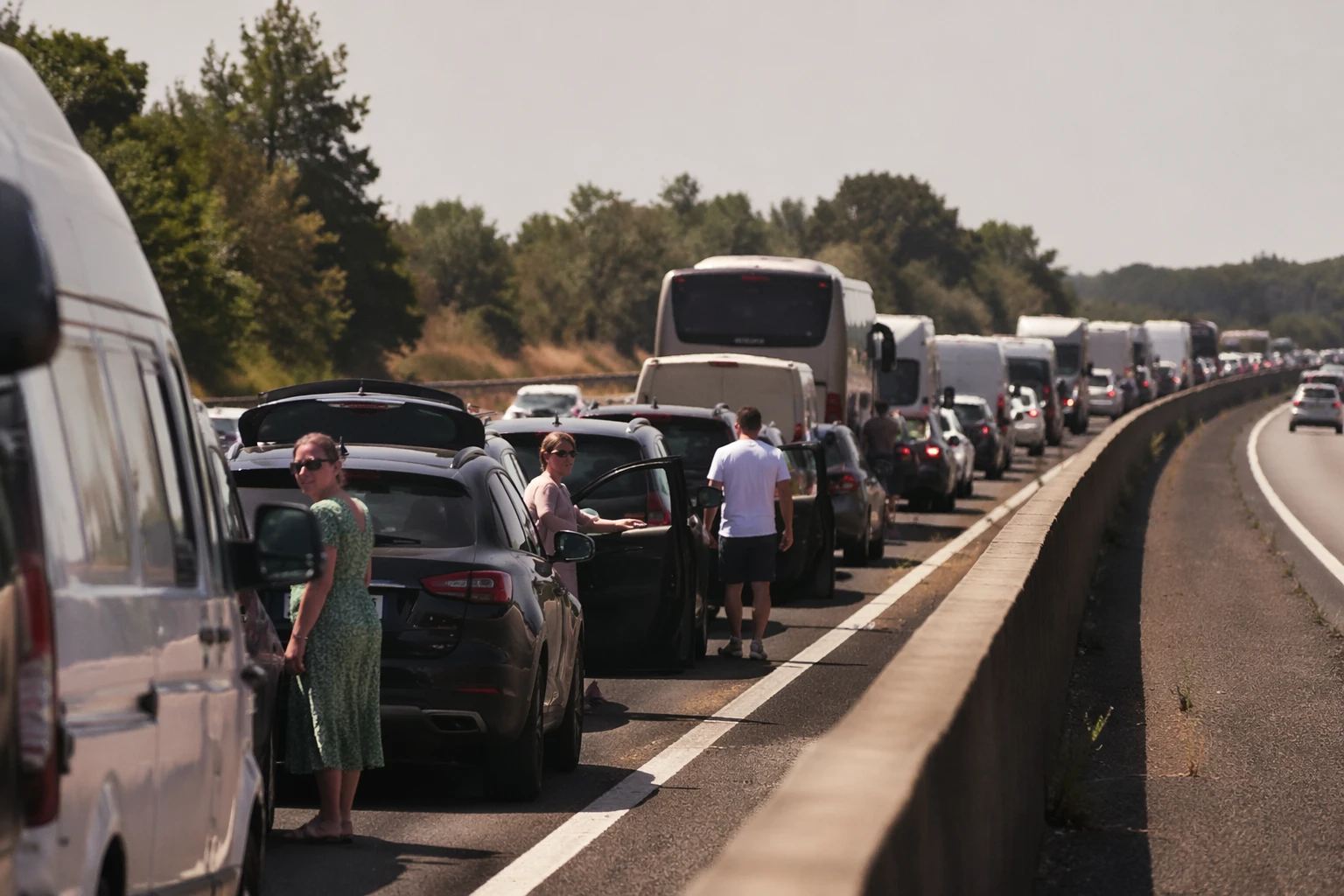
The warning carried a practical message for drivers stuck near the Kent-Surrey border: avoid the M25 if possible, leave space for emergency services and stay hydrated if traffic stopped for long periods. That advice came as National Highways also issued an extreme heat warning for the roads network on 24 June 2026, underscoring how heat was affecting not just people but the infrastructure they depended on to move and respond.

The episode fitted a wider pattern seen in previous heatwaves, when ambulance services in England and Wales were described as under extreme pressure. NHS England published guidance on ambulance handovers during the July 2022 heatwave on 15 July 2022, reflecting the strain that hot weather can place on hospital flow and emergency response. In July 2022, Sky News reported that all ambulance trusts in England were on the highest alert level, REAP 4, amid extreme heat and delays in hospital handovers.
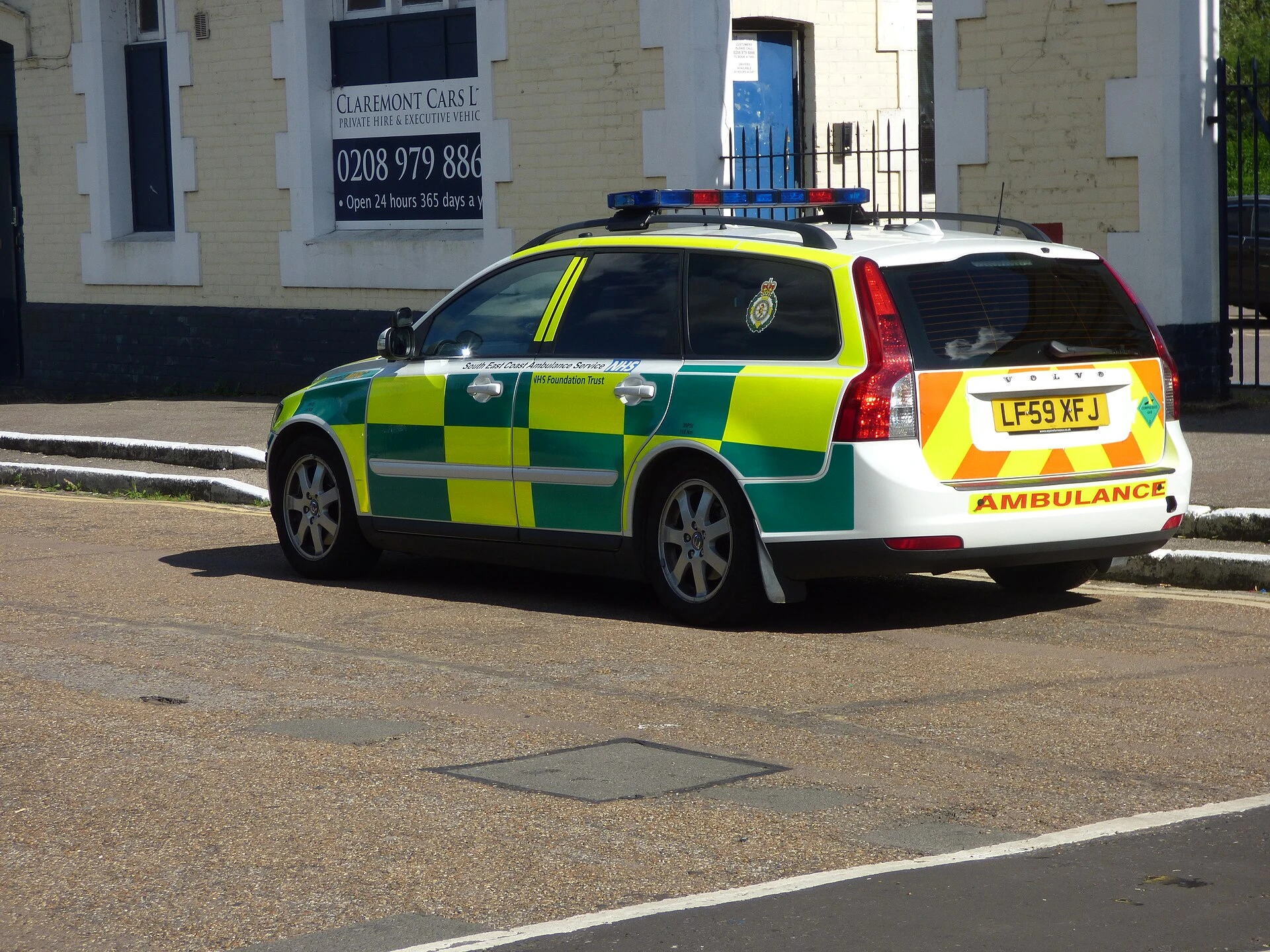
For the M25, the immediate challenge was access. With lane closures already in place after the collision, the heat added another layer of risk for people trapped in their vehicles and for crews trying to reach them. SECAmb’s response highlighted a familiar weakness in summer emergencies: when roads clog and temperatures rise at the same time, response times depend not only on ambulance numbers but on whether the network can keep moving.
Sources
- [1]bbc.co.uk
- [2]secamb.nhs.uk
- [3]england.nhs.uk
- [4]news.sky.com
- [5]nationalhighways.co.uk