Health
Heat alerts issued as UK warns families to protect children

Children overheat faster than adults because they cannot control body temperature as efficiently and they do not sweat as much. That warning sat at the center of fresh heat-health alerts across England on 18 June, as the UK Health Security Agency said an amber alert was in place for the East of England, South East, South West and London until 8pm on Tuesday 23 June.
The Met Office also had a Yellow Heat-Health Alert in force for the East Midlands, East of England, London and the southeast of England from Wednesday 17 June until Monday. The alerts signaled that rising temperatures could affect the health and wellbeing of some people, and the government’s warning system is meant as an early signal for health and social care services, the voluntary and community sector and government itself.
The NHS says babies and young children aged 5 and under are among the groups most vulnerable to hot weather. It warns that children can be hit by dehydration, heat exhaustion, heatstroke and sunburn, while babies under 6 months old should be kept out of direct sunlight. In practical terms, that means keeping very young children shaded, limiting time outdoors and making water a regular part of the day rather than an afterthought.
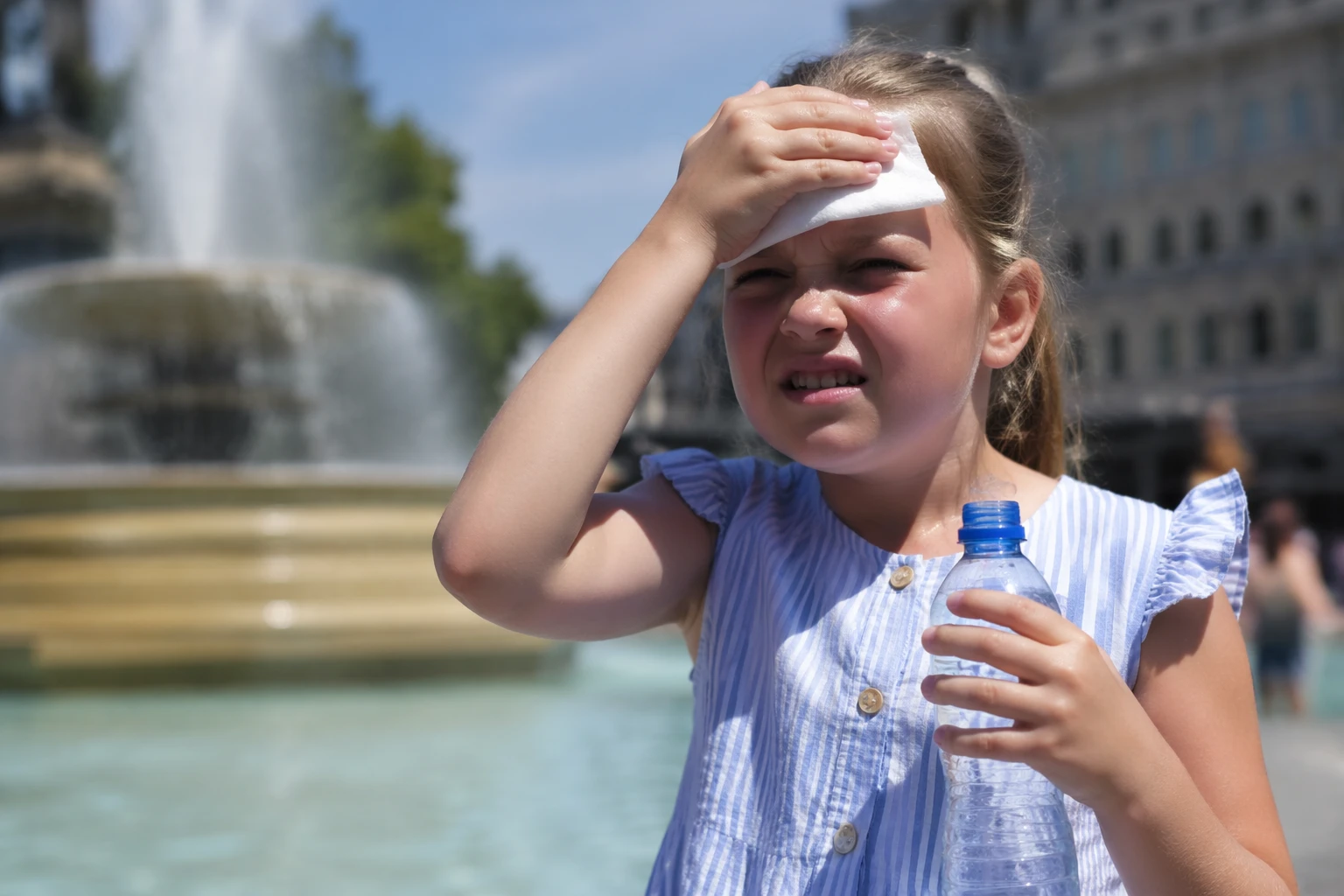
Local guidance in Derbyshire pointed parents toward the hottest part of the day, roughly 11am to 3pm, and urged families to avoid direct sunlight during those hours. That advice becomes especially important when sleep is already disturbed by a hot house, when children are active in sports, or when a child has been outside for long periods without enough fluid. Heatstroke is the point at which heat stops being discomfort and becomes a medical emergency.
Sheffield Children’s NHS Foundation Trust was blunt about one of the highest-risk situations: never leave children in a car on a hot day. The trust also advised families to find cool places and shade for rest, a reminder that a parked car can become dangerous quickly even when a child is only left for a short time.
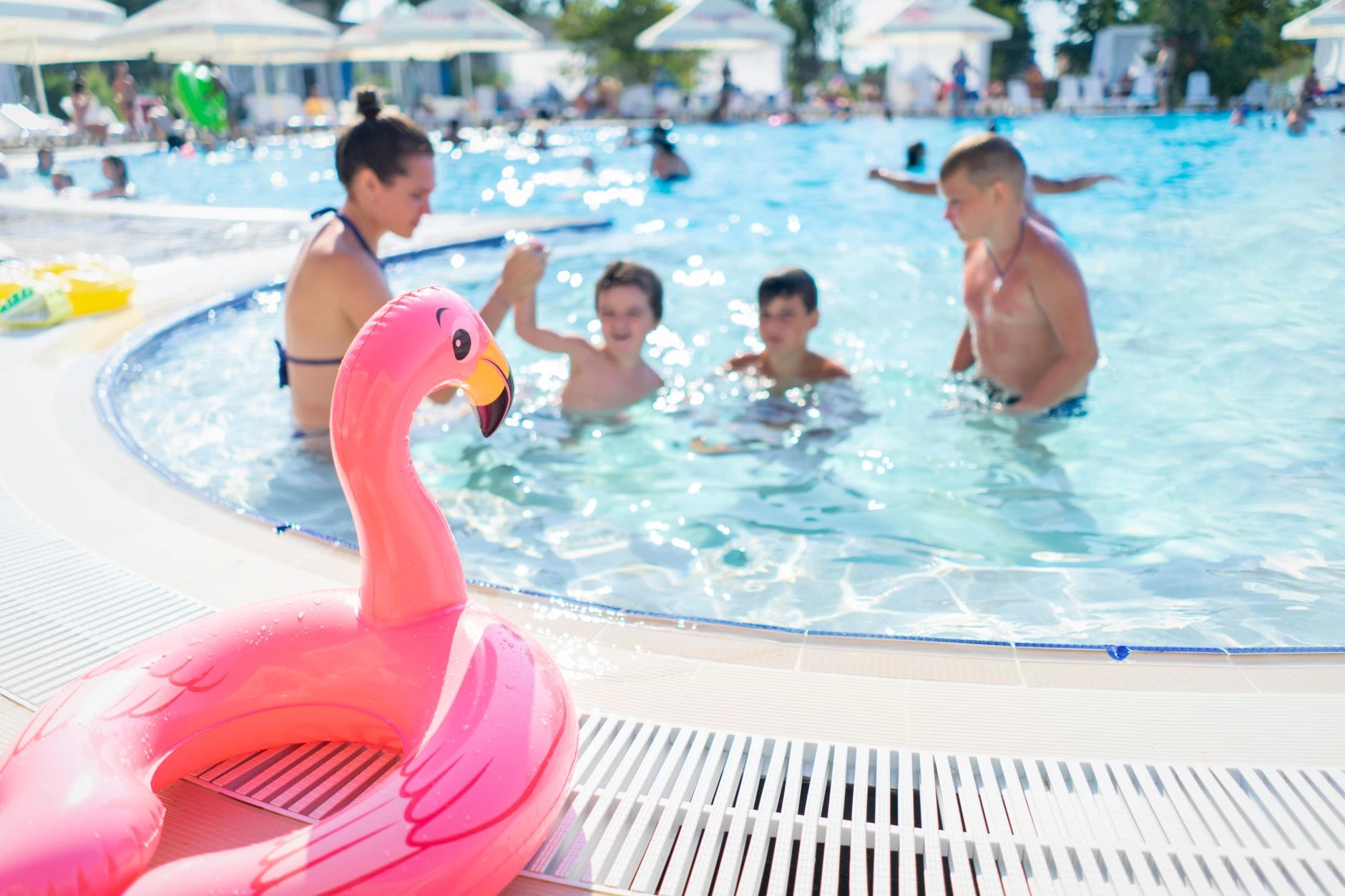
Schools do not normally need to close in hot weather, according to UK government guidance for education settings, because heat can usually be managed with simple adjustments. For families planning the weekend, the message from health officials was more immediate: keep babies out of direct sun, take frequent drinks, avoid the midday heat, and move children out of cars, homes and sports settings that can turn dangerous as temperatures climb.