Health
Heat dome forces parade cancellations and power strain across the U.S.
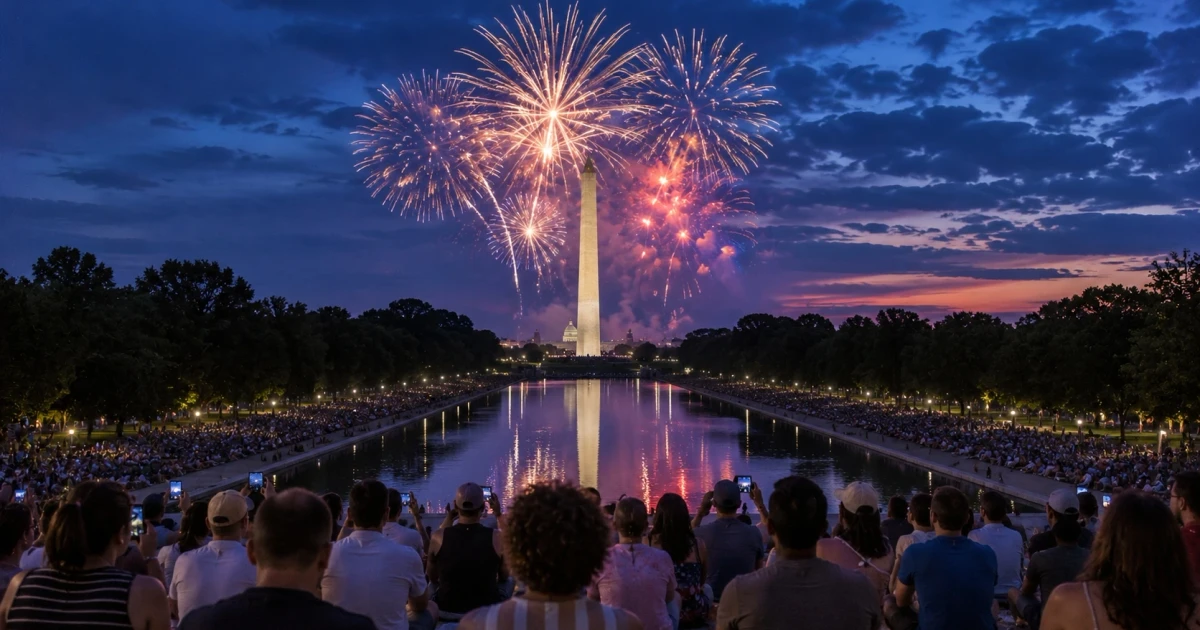
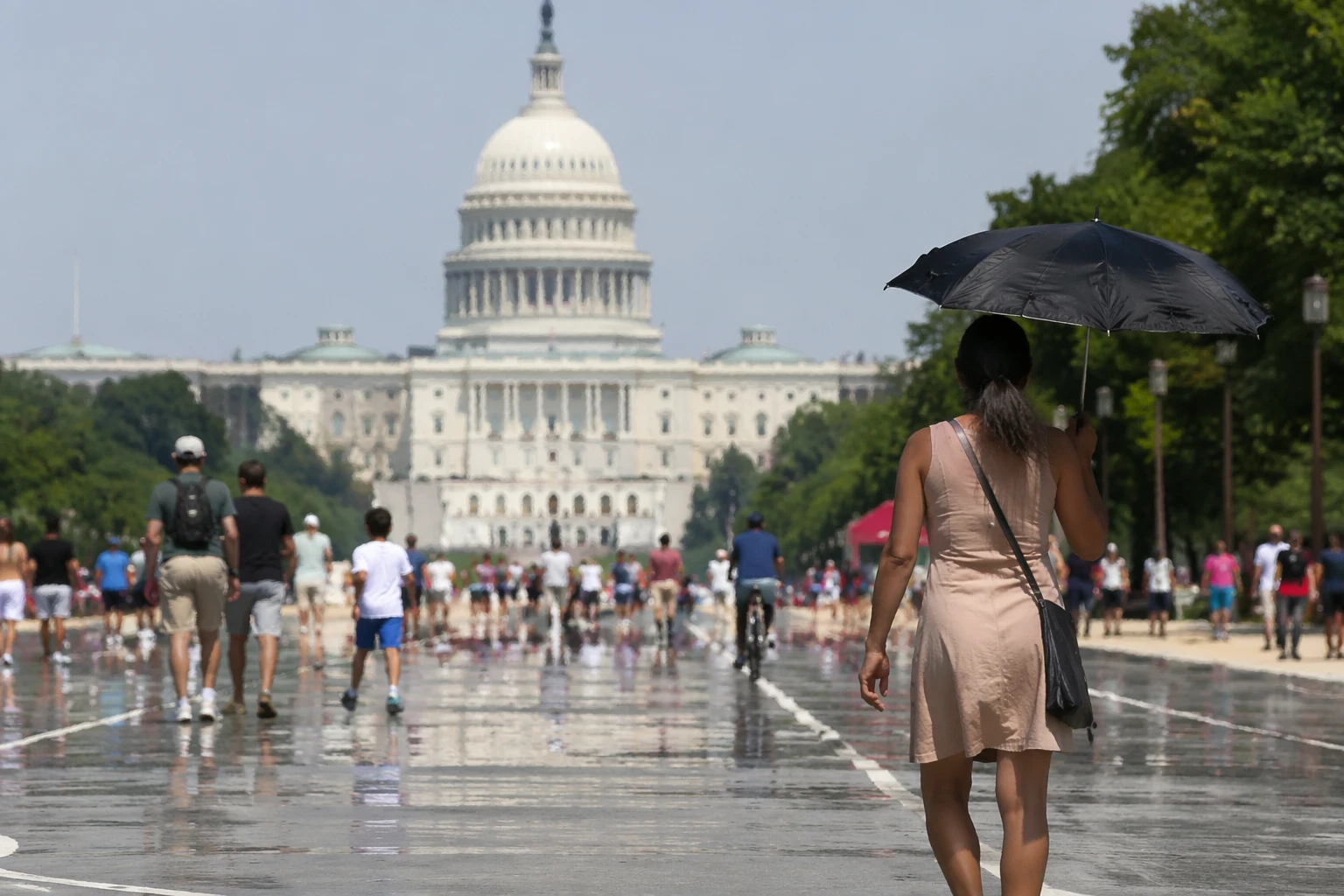
Temperatures reached 101 degrees Fahrenheit, forcing Washington’s Independence Day Parade off the schedule and pushing the Great American State Fair on the National Mall into a temporary closure. Across the central and eastern United States, dozens of parades, concerts and fireworks displays were canceled or postponed as a high-pressure heat dome drove dangerous July Fourth weekend conditions.
The National Park Service canceled the parade in Washington for safety reasons. It had been set to begin at 10:30 a.m. ET, but the National Weather Service forecast heat index values as high as 115 degrees in the capital, where forecasters warned the heat could make outdoor gatherings risky within minutes. More than 185 million people, more than half the country, were under heat alerts as the holiday approached.
PJM, the largest U.S. power grid operator, which serves 67 million people in the Mid-Atlantic, South and Washington, D.C. area, issued a Hot Weather Alert and urged customers in emergency conservation programs to cut electricity use because of generator outages, overloaded transmission lines and surging air-conditioning demand. In New York, roughly 17,000 Con Edison customers were without power late Friday afternoon.
Serious heat waves are happening more often and can affect human health in severe ways, including emergency department visits, hospitalizations and deaths. The Heat & Health Tracker says extreme summer heat is increasing in the United States, and defines extremely high heat-related illness as rates above the 95th percentile based on 2018-2023 data.

Older adults, young children, pregnant women, people with heart or lung conditions, athletes and outdoor workers are among the groups most vulnerable when temperatures spike.
Sources
- [1]npr.org
- [2]usnews.com
- [3]insidelines.pjm.com
- [4]ephtracking.cdc.gov
- [5]cdc.gov
- [6]weather.gov