US News
Heat dome to bring dangerous holiday weekend heat across eastern US
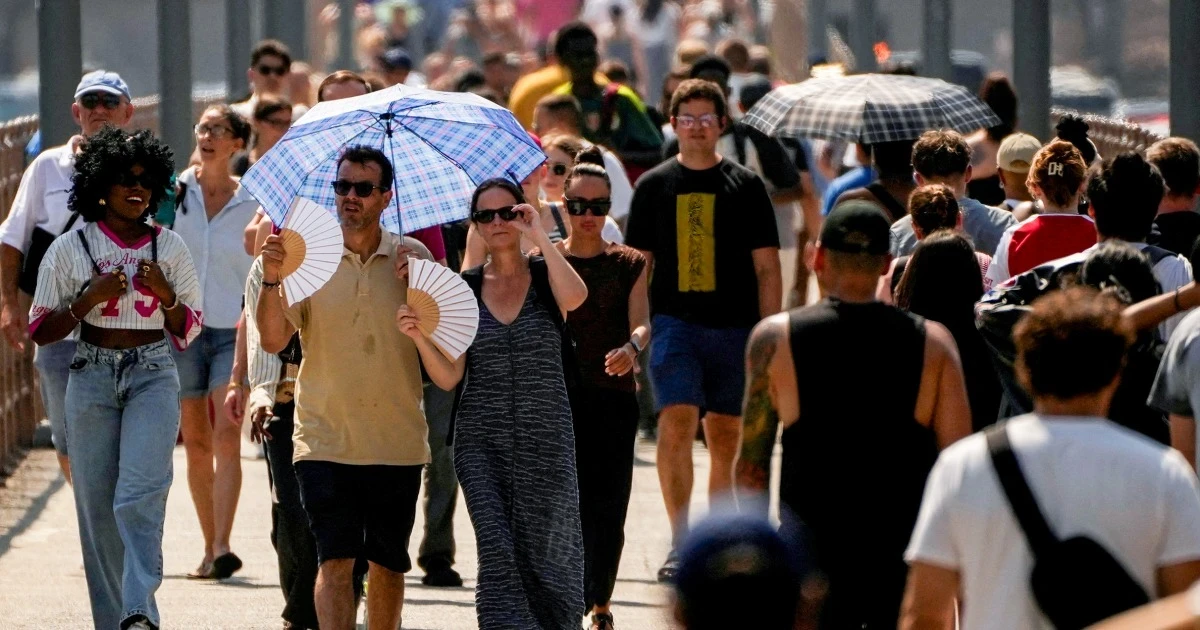
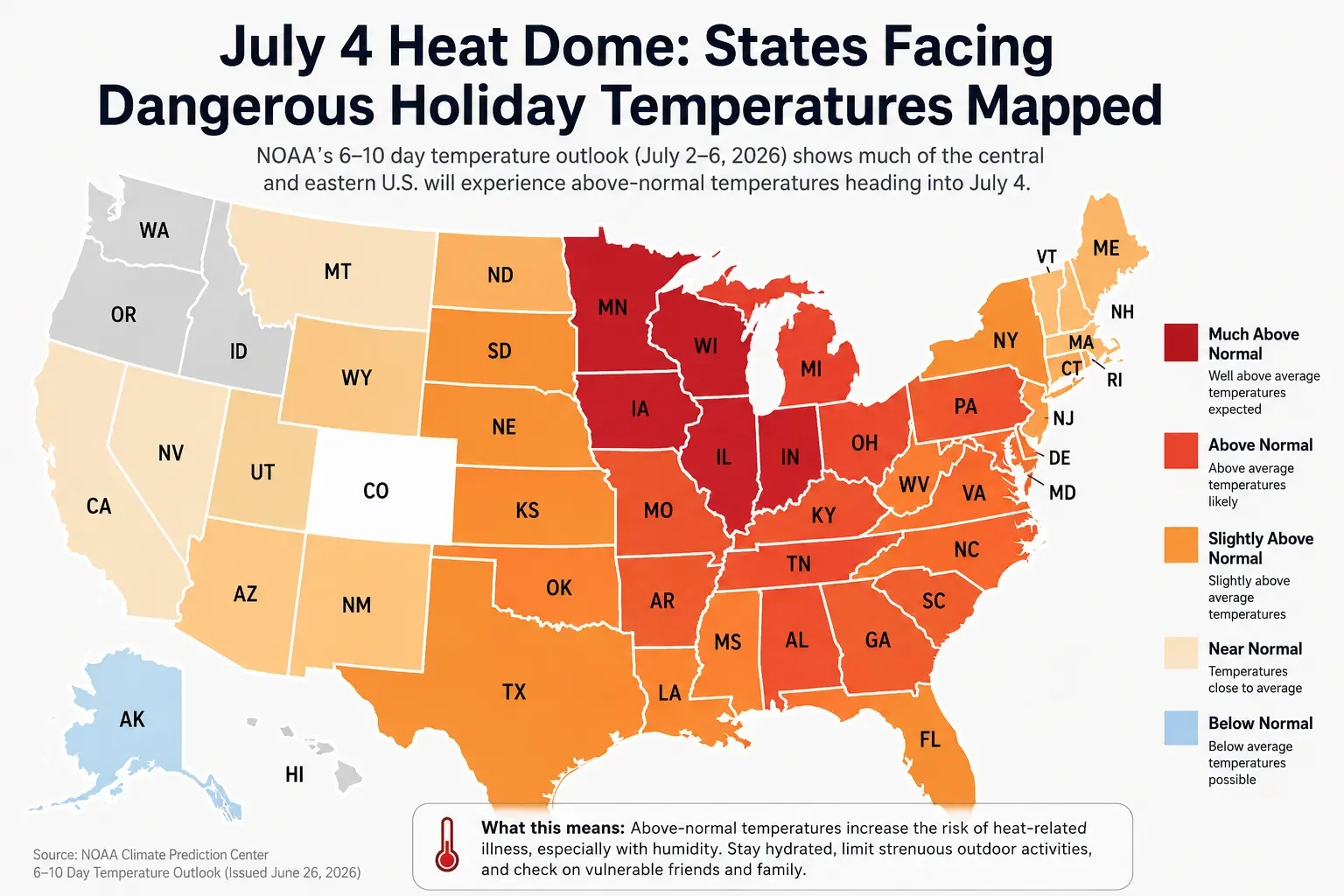
The NOAA Climate Prediction Center said June 27 that extreme heat was likely to continue into the July Fourth holiday weekend across much of the central and eastern contiguous United States, as anomalous mid-level high pressure and high dewpoints locked in a dangerous pattern. The National Weather Service said the humidity will make the air feel even hotter, raising the risk during one of the busiest travel and outdoor-celebration stretches of the summer.
Temperatures are expected to climb into the 90s and 100s in some areas, with heat index values well above 100 degrees and the chance of record highs in places where the hot spell lingers. Central Ohio is among the areas bracing for 90s and heat indexes above 100 through the July 4 holiday weekend, while cooling centers and heat safety planning are being emphasized as people prepare for parades, cookouts, swimming and fireworks.
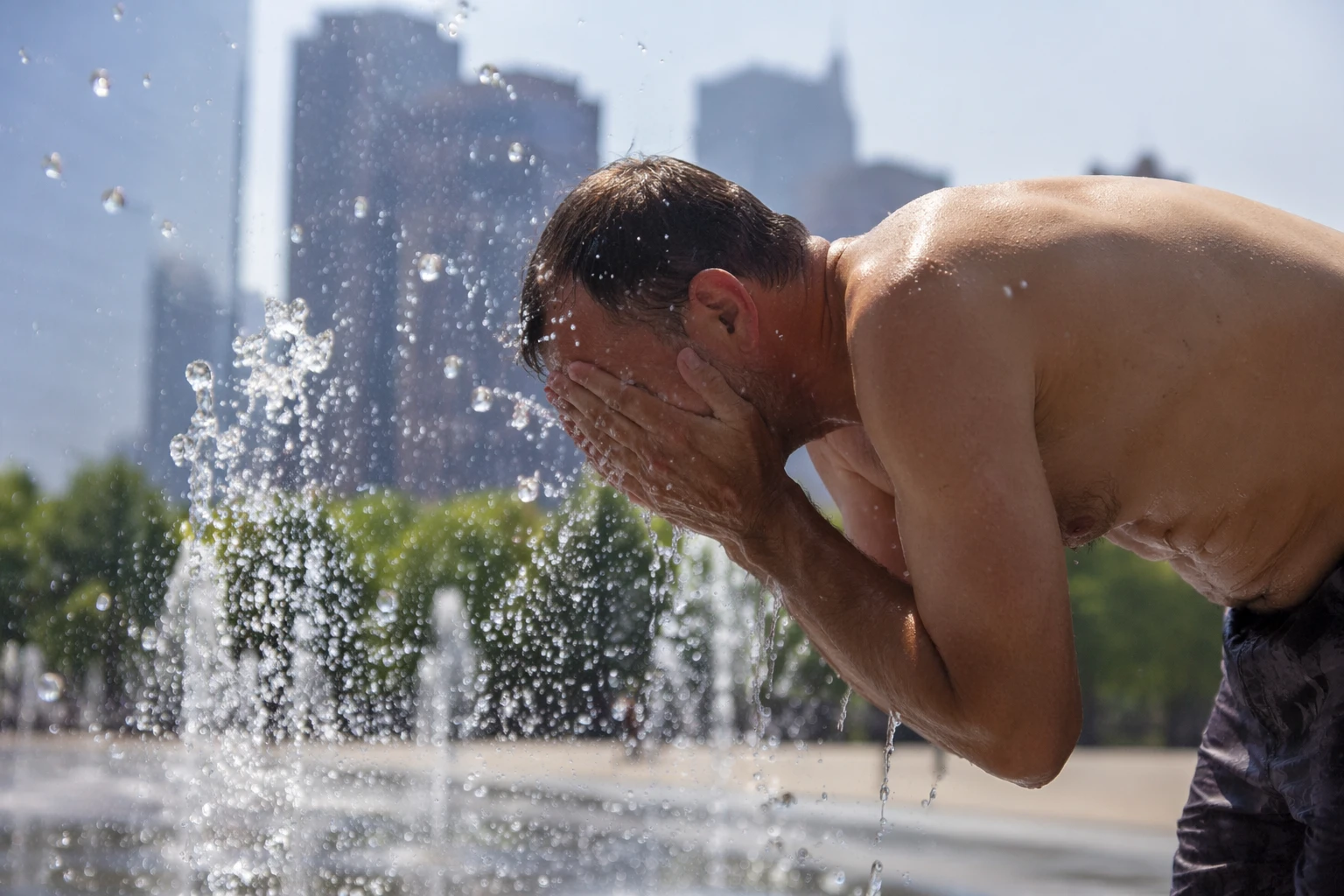
The health stakes are severe. The Centers for Disease Control and Prevention says heat exposure is one of the leading causes of weather-related deaths nationwide, and its heat-tracking resources warn that very high body temperatures can damage the brain or other vital organs. In 2023, more than two-thirds of Americans were under heat alerts, underscoring how widespread dangerous conditions can become when hot weather settles in for multiple days.
Chicago’s July 4-6, 2012 heat wave offers a grim benchmark. The city hit 100 degrees for three straight days, tying previous record streaks, and the average temperature over those three days was 91.4 degrees, the second warmest three-day average on record there. The forecast now facing the eastern half of the country carries the same warning sign: when heat arrives at holiday scale, it can overwhelm routines that would be manageable on a normal summer day.
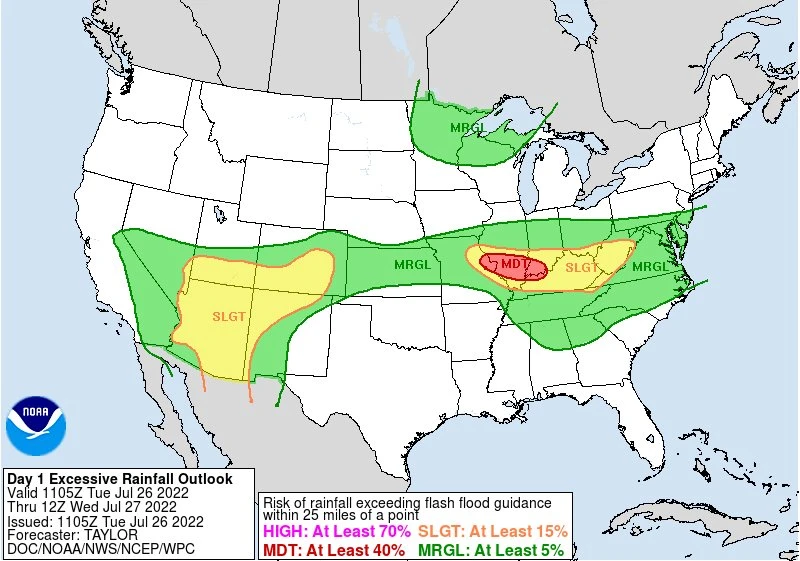
Public-health guidance is blunt. Stay hydrated, seek air conditioning or shade, and avoid strenuous outdoor activity during the hottest part of the day. Those precautions matter most when families are standing over grills, crowds are gathering at parks and riverfronts, and fireworks shows stretch late into the night after hours in the sun.
Sources
- [1]nbcnews.com
- [2]cpc.ncep.noaa.gov
- [3]cdc.gov
- [4]weather.gov
- [5]dispatch.com
- [6]cbsnews.com
- [7]axios.com