Health
Heat wave and rip currents raise July 4 beach safety warnings
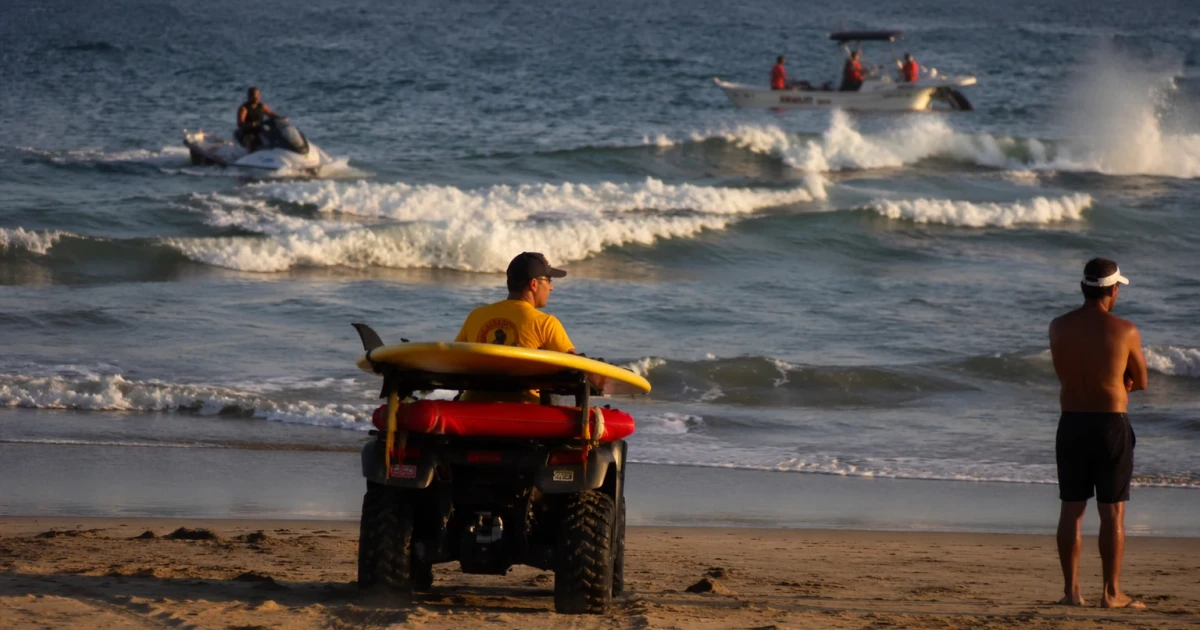
Millions of people across the eastern two-thirds of the country were facing hazardous extreme heat heading into the July 4 holiday weekend, with temperatures expected in the 90s and low 100s and heat index values as high as 115 degrees. The pattern is being driven by a heat dome, and heat is the leading cause of weather-related deaths in the United States.
As the heat pushes more people toward beaches, lakes and pools for relief, the water brings its own hazards. Unofficially through June 25, NOAA data showed 55 people had already drowned this year in rip currents. Rip currents are channelized flows that move away from shore, can be faster than the best Olympic swimmers, and often form at breaks in sandbars, near jetties and piers, and near headlands. They can appear on calm, sunny days and on any beach with breaking waves, including along the Great Lakes and the Gulf Coast.
More than one third of the 97 rip current and surf-zone fatalities in the United States in 2023 happened in June and July, and preliminary National Weather Service data show 63 surf-zone fatalities in 2024. Rip currents cause more than 100 deaths each year, and the United States Lifesaving Association counts them at more than 80% of rescues by surf-beach lifeguards. The safest choice remains a beach with lifeguards, where the chance of drowning is about 1 in 18 million.
If a rip current pulls someone out, the right move is to stay calm, float, and, if possible, swim parallel to the shoreline or toward breaking waves before angling back to shore. Do not try to swim straight against the current. If another person is caught, do not become a second victim trying to help. Get a lifeguard, call 9-1-1 if no lifeguard is present, and throw something that floats.
The Centers for Disease Control and Prevention recommends learning to swim, closely supervising children in or near water, fencing home pools properly, and wearing a properly fitted life jacket. Drowning is the leading cause of death for children ages 1 to 4 and the second leading cause of unintentional injury death for children ages 5 to 14, while more than half of U.S. adults have never taken a swimming lesson.
Sources
- [1]cbsnews.com
- [2]weather.gov
- [3]redcross.org
- [4]cdc.gov
- [5]noaa.gov
- [6]usla.org