Business
Heat wave drives Americans to trim thermostat settings to cut costs
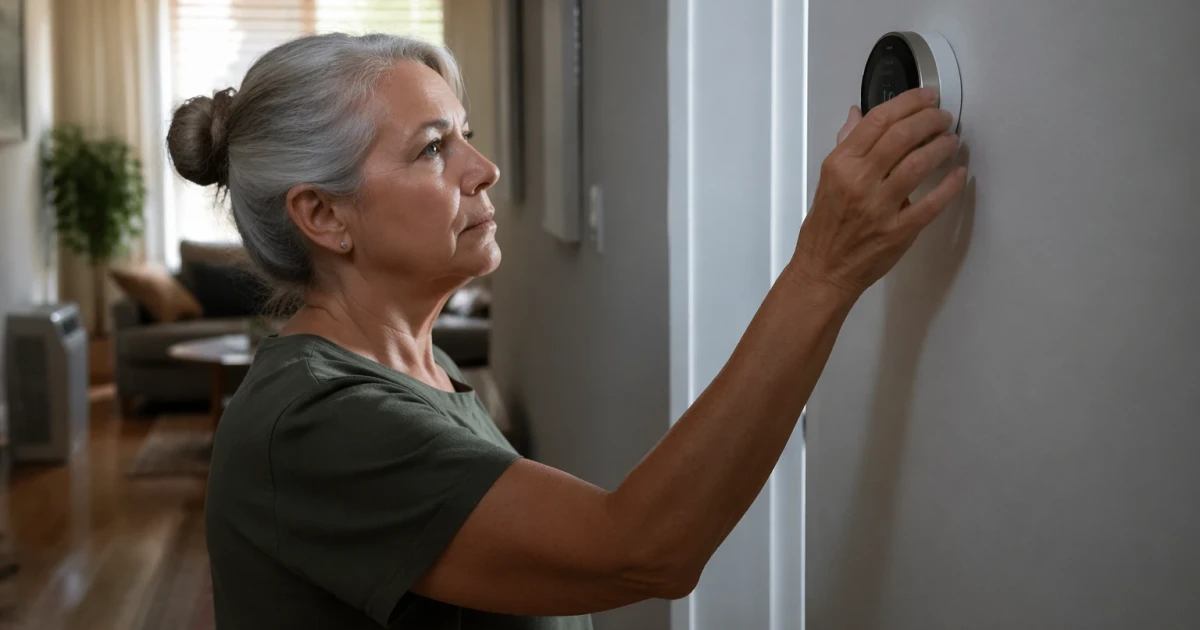
The U.S. Department of Energy estimates that a 7°F to 10°F setback for eight hours a day can save as much as 10% a year on heating and cooling, while setting an air conditioner at 78°F instead of 72°F can trim the cooling bill by 6% to 18%.
Start with the thermostat
A programmable thermostat works best when the setting rises as high as feels comfortable during summer, not when it is left on a fixed lower target all day. Keeping the fan on an air conditioner in auto mode helps the system run more efficiently than leaving the fan on continuously.
Air conditioning is already one of the largest energy expenses in a home. In an average-sized house, central air conditioning can use more than 2,000 kilowatt-hours of electricity a year, and 88% of U.S. homes now have air conditioning, with 66% using central systems.
Block heat before the AC has to fight it
The next savings usually come from stopping heat at the window and from sealing the places where cooled air escapes. Window coverings that block daytime heat, plus insulation, energy-efficient windows and doors, shading, fans, and ventilation can help a home stay cooler with less air conditioning, especially in milder climates.
A practical cooling plan usually combines several of those moves rather than relying on one fix alone:
• Close blinds, shades, or curtains during the hottest part of the day to keep direct sun out.
• Keep the fan setting on the air conditioner in auto so the system cycles more efficiently.
• Use shading from trees, awnings, or overhangs to reduce solar gain on windows.
• Seal drafts and air leaks so conditioned air stays inside.
• Improve insulation and upgrade windows or doors when older building materials are letting heat in.
• Use fans and ventilation to move air, especially when outdoor conditions are warm but not extreme.
The largest gains often come from pairing a warmer thermostat setting with a tighter, better-shaded home. If the house leaks cool air or takes in a lot of direct sunlight, the air conditioner works harder and the savings from a higher set point shrink.
Why the bill keeps climbing
The pressure on summer budgets is not coming from household behavior alone. A June analysis by the National Energy Assistance Directors Association and the Center for Energy Poverty and Climate projected average U.S. household electricity spending on home cooling at about $792 in 2026, up 10.5% from $717 in 2025, and nearly 40% above the roughly $570 level in 2020. An April 27 NEADA release had already projected summer cooling electricity costs at $778, up 8.5% from the previous year.
The U.S. Energy Information Administration expects retail electricity prices to keep increasing through 2026 after they rose faster than inflation since 2022. During a heat wave, higher rates can turn a modest increase in air conditioning use into a sharp jump in the monthly bill, especially for households that have little room to shift when they run their equipment.
The bigger strain behind the summer squeeze
Stanford researchers have warned that rising electricity costs are forcing a reckoning with aging energy infrastructure, extreme weather, increased demand from data centers, and electrification. They also caution that when electricity becomes less affordable for climate control, the health risk rises during heat waves.
The Department of Energy puts homes and commercial buildings at 40% of the energy used in the United States and the average American's annual energy spending at about $2,000. Of that total, $200 to $400 can be wasted through drafts, air leaks, and outdated heating and cooling systems.
Sources
- [1]cbsnews.com
- [2]energy.gov
- [3]neada.org
- [4]eia.gov
- [5]news.stanford.edu