US News
Heat wave threatens July 4 celebrations across the eastern US
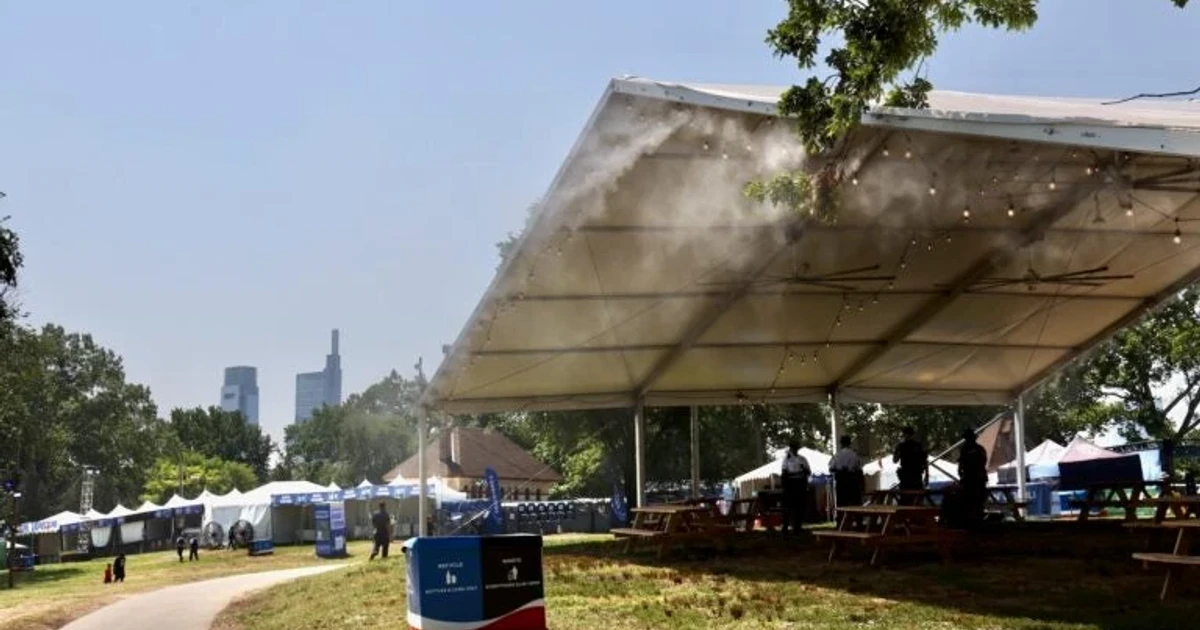
Philadelphia cut its Independence Day Parade route by one mile and shifted parts of its FIFA World Cup Fan Festival into cooled tents as officials braced for extreme heat. Cities across the eastern and central United States moved to protect July 4 crowds as a heat wave pushed “real-feel” temperatures toward 100 to 115 degrees Fahrenheit and placed more than 160 million Americans under heat alerts. Record-breaking temperatures that spread from the Midwest into the East threatened holiday travel, outdoor ceremonies and electric grids already under strain from rising demand.
New York City opened cooling centers and sent out mobile cooling vans as part of its heat emergency response, while Chicago and other major metro areas also activated heat plans. Fox Weather forecast the first back-to-back 100-degree days in New York City since 2011.
The danger is largest for people spending hours outdoors in open plazas, along parade routes and at festival grounds, where the holiday crowd mix can include children, older adults and workers with little relief from the sun. In Washington, D.C., where the Great American State Fair and other America 250 events were underway, the heat threatened outdoor celebrations and travel as Americans prepared to mark the nation’s 250th anniversary over the holiday weekend.
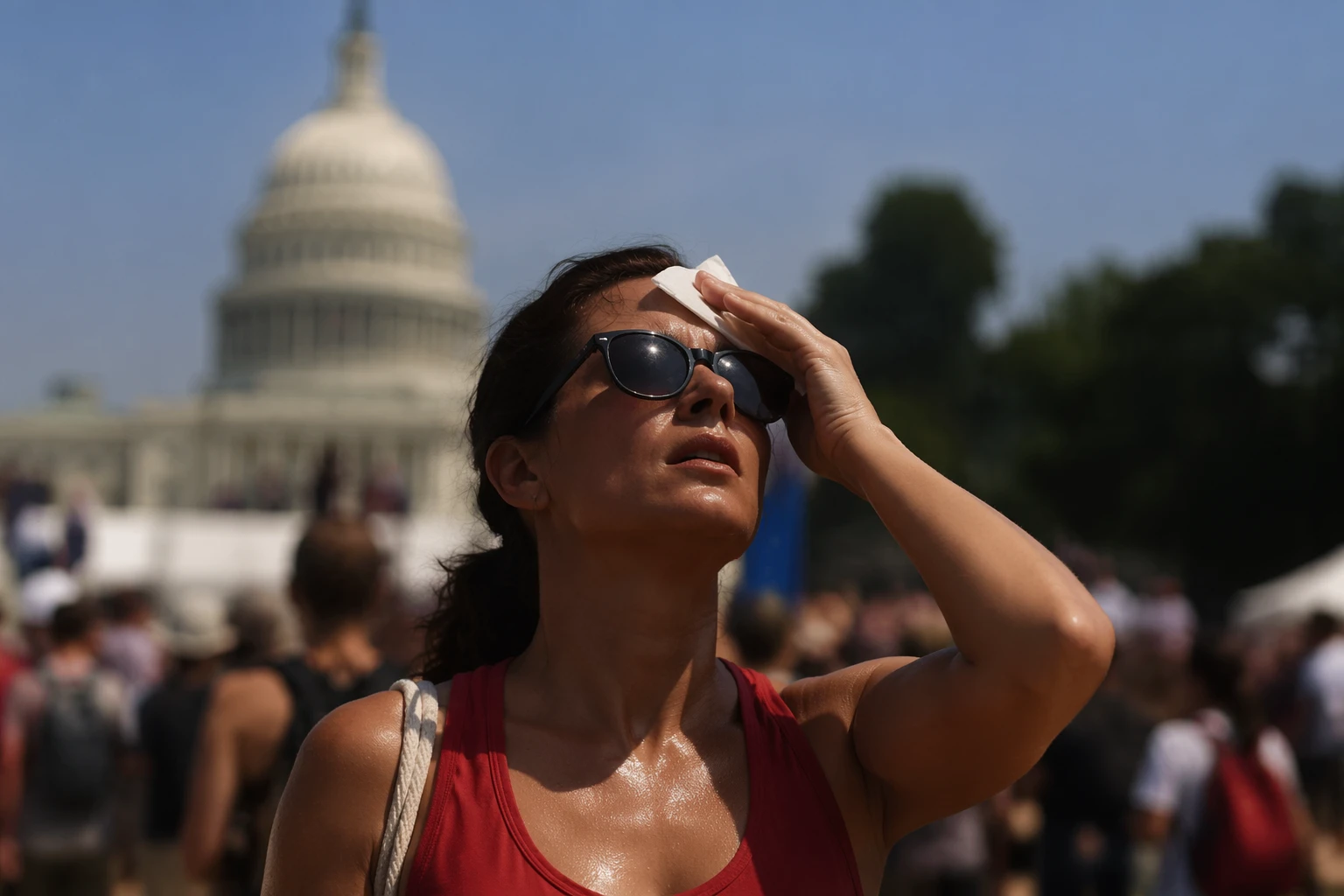
The combination of intense humidity and high temperatures could trigger heat-related illness and deepen pressure on power systems already coping with heavier electricity use, especially in dense cities where cooling demand spikes quickly once temperatures rise.
Russia launched an 11-hour drone and missile attack overnight into Thursday morning, killing at least 21 civilians and injuring more than 90 others, Ukrainian officials put the toll at. More than 50,000 people sheltered in subway stations as the barrage hit residential areas and damaged buildings in every district. Ukrainian Foreign Minister Andrii Sybiha called it a “night of horror,” while Russia called the strikes retaliation for Ukrainian attacks on oil facilities. Volodymyr Zelenskyy vowed to retaliate, Kaja Kallas will propose new sanctions, and Kremlin spokesman Dmitry Peskov pledged continued pressure on Kyiv.
Sources
- [1]npr.org
- [2]usnews.com
- [3]foxweather.com
- [4]france24.com