World
Heatwave forces Britain and France schools to rethink classroom cooling
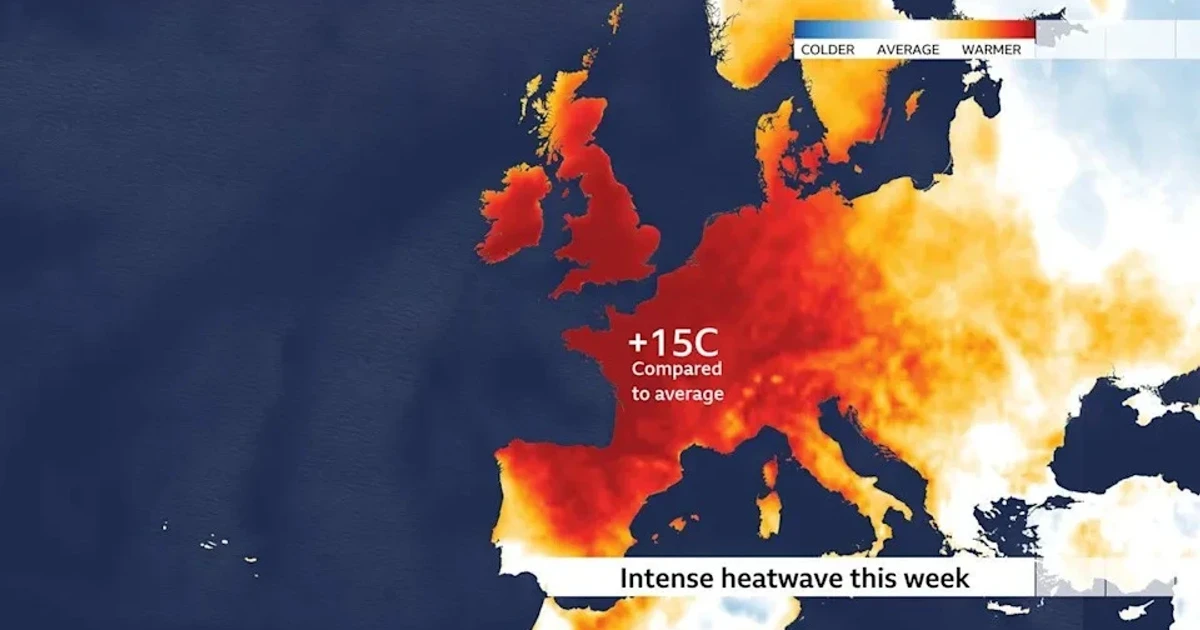
More than 800 schools in France shut on Monday June 22 as temperatures climbed above 40C in parts of western Europe, while hundreds of schools in Britain sent pupils home early or closed outright because most classrooms still had no air-conditioning. Parents, teachers and local officials were forced into the same blunt choice: keep lessons going, or protect children from the heat.
In England, the Department for Education said schools should remain open where possible, but make sensible adjustments for hot weather. Those changes include altering activities, relaxing uniforms, and making sure children have shade and enough water. UK guidance also says children are more at risk of heat-related illness than adults, a warning that has taken on new weight as the Met Office issued a rare Red Extreme Heat Warning for Wednesday and Thursday, with June’s daily temperature record forecast to fall. The Met Office heat-health alert service, run with the UK Health Security Agency and covering England only, was designed to warn of exactly this kind of sustained heat.
France has taken a similar line on keeping schools functioning, but with a harder edge when temperatures become dangerous. The education ministry said local adaptations could include closures or postponing exams as a last resort. That language landed in the middle of the baccalauréat, when the heatwave disrupted school life across the country. More than 800 schools were closed on Monday June 22, and about 1,800 more changed schedules or sent pupils home early.
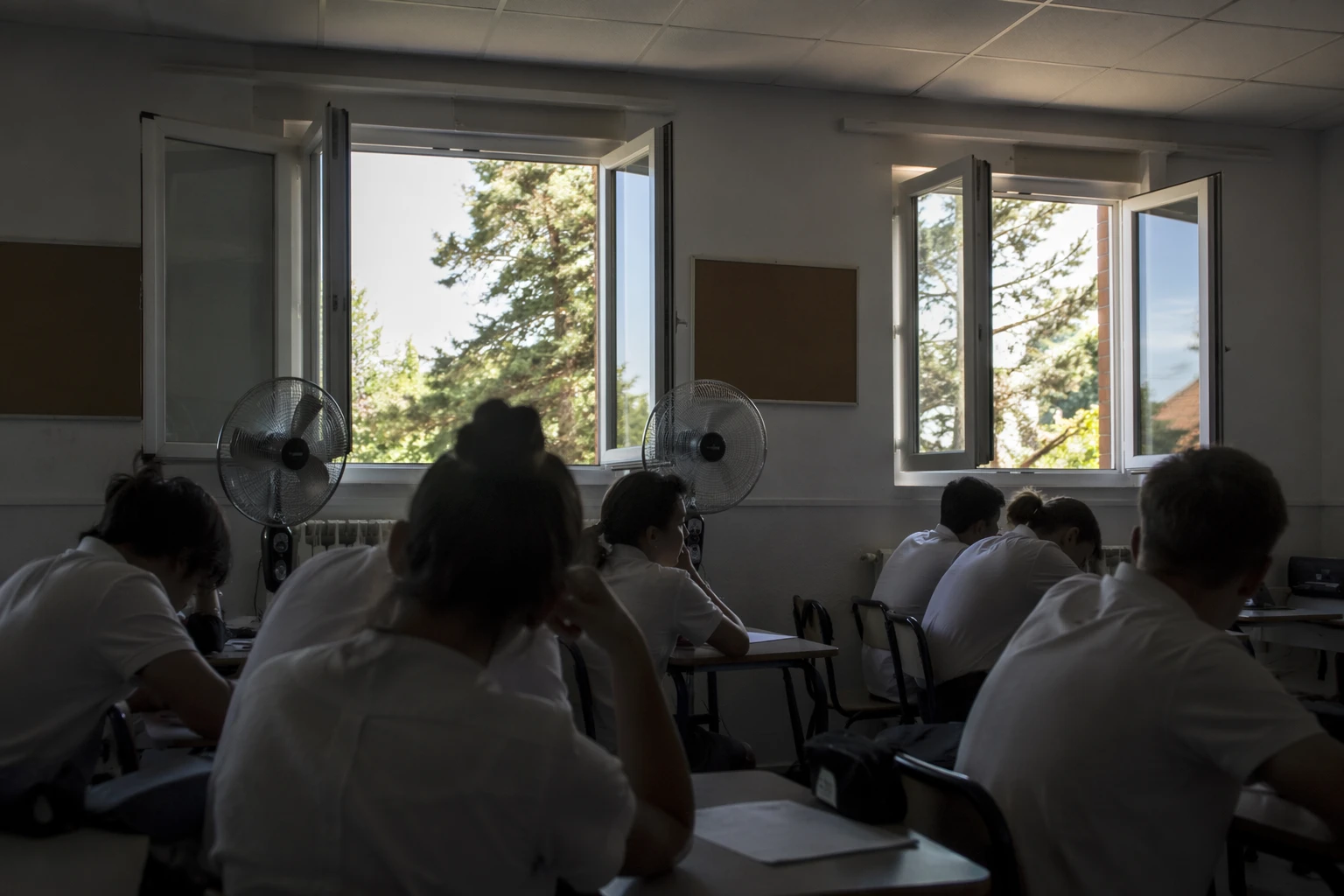
The French disruptions did not start with the latest surge. Earlier in June, schools had already adjusted hours and transport was interrupted as the same heatwave spread through the country. The pressure sharpened after a 30-year-old man died near Paris during an earlier phase of the heat, a reminder that the danger extended well beyond uncomfortable classrooms. France also recorded its hottest day ever on June 24, 2026, a milestone that deepened comparisons with August 2003, still the benchmark for extreme summer heat in the country.
The immediate fixes are not mysterious. Officials in both countries keep coming back to the same list: change activities, shorten exposure, relax dress rules, keep water close, and find shade. Where schools cannot do that, Britain and France are being pushed toward closures, altered schedules and exam delays, turning classroom cooling into a test of whether public institutions can keep education running without treating child safety as optional.
Sources
- [1]nytimes.com
- [2]educationhub.blog.gov.uk
- [3]weather.metoffice.gov.uk
- [4]metoffice.gov.uk
- [5]education.gouv.fr
- [6]france24.com
- [7]rfi.fr
- [8]apnews.com