Health
Heatwave raises cardiac arrest risk, experts warn on exercise and alcohol

Until 11pm on Friday 26 June 2026, red heat-health alerts were in force across six regions of England. Exercise, dehydration and alcohol can combine to put extra strain on the heart, even in young, fit people.
The South West, South East, London, the East of England, the West Midlands and the East Midlands were under red alerts, while the rest of England remained under amber alerts. The heat-health alert service, run with the UK Health Security Agency from June to September, has operated since 2004.
Hot weather forces the body to widen blood vessels and sweat more to stay cool, which can lower blood pressure, reduce fluid levels and make the cardiovascular system work harder. That extra effort puts strain on the heart, lungs and kidneys, and people with heart conditions face greater risk. Elderly people and very young children struggle more to regulate temperature.

Hot weather can cause overheating, dehydration, heat exhaustion and heatstroke, and the risk is high during hot weather or exercise. Take a couple of days off from training during extreme heat if needed. If going out, pace yourself and avoid the hottest part of the day, roughly 11am to 3pm. Alcohol increases dehydration and puts more stress on the heart.
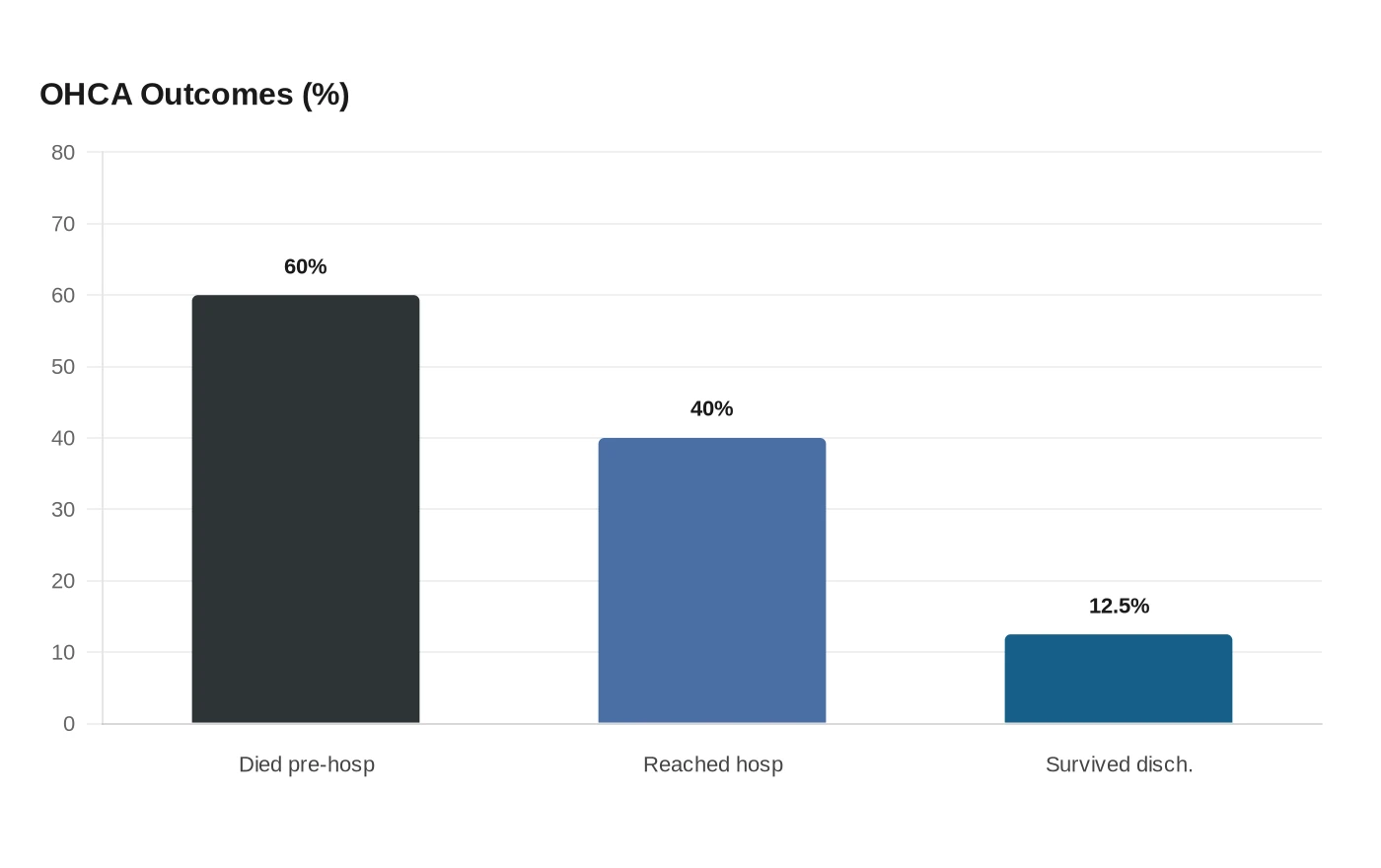
A 2026 European Heart Journal review linked heat exposure with arrhythmias, out-of-hospital cardiac arrest and non-fatal acute coronary syndromes. A JAMA review found out-of-hospital cardiac arrest in apparently healthy adults younger than 40 ranged from about 4.4 to 14.4 per 100,000 person-years. A separate 2024 JAMA review found about 60% of young adults with out-of-hospital cardiac arrest died before reaching hospital, about 40% reached hospital, and only 9% to 16% survived to discharge.
Risk is higher still for people taking certain heart medicines. Diuretics, beta blockers, ACE inhibitors, ACE receptor blockers and calcium channel blockers can exaggerate the body’s response to heat. Urgent help is needed for fast breathing, shortness of breath, collapse, unconsciousness, confusion or a seizure, with 111 or 999 depending on severity.
Sources
- [1]bbc.co.uk
- [2]gov.uk
- [3]weather.metoffice.gov.uk
- [4]nhs.uk
- [5]bhf.org.uk
- [6]newsroom.heart.org
- [7]academic.oup.com
- [8]jamanetwork.com
- [9]vchri.ca