Technology
Heavy AI use may be eroding skills in medicine and coding
The question is no longer whether AI can speed up doctors and coders. It is whether constant reliance on it begins to hollow out the judgment that keeps patients safe and software reliable, a concern Nature raised in its June 18 science coverage. Early evidence from medicine and software engineering suggests the answer may be yes, with the risk showing up not only as deskilling, but also as never-skilling and mis-skilling.
A May 2026 viewpoint in BMJ Quality & Safety said artificial intelligence is becoming ubiquitous in clinical practice, from documentation to augmenting reasoning, and warned that trainees may lose the chance to build core skills if machines do the work before independent practice. The paper said that could imperil clinician autonomy and patient safety when systems fail or make errors, and it proposed 10 mitigation strategies to slow the slide.
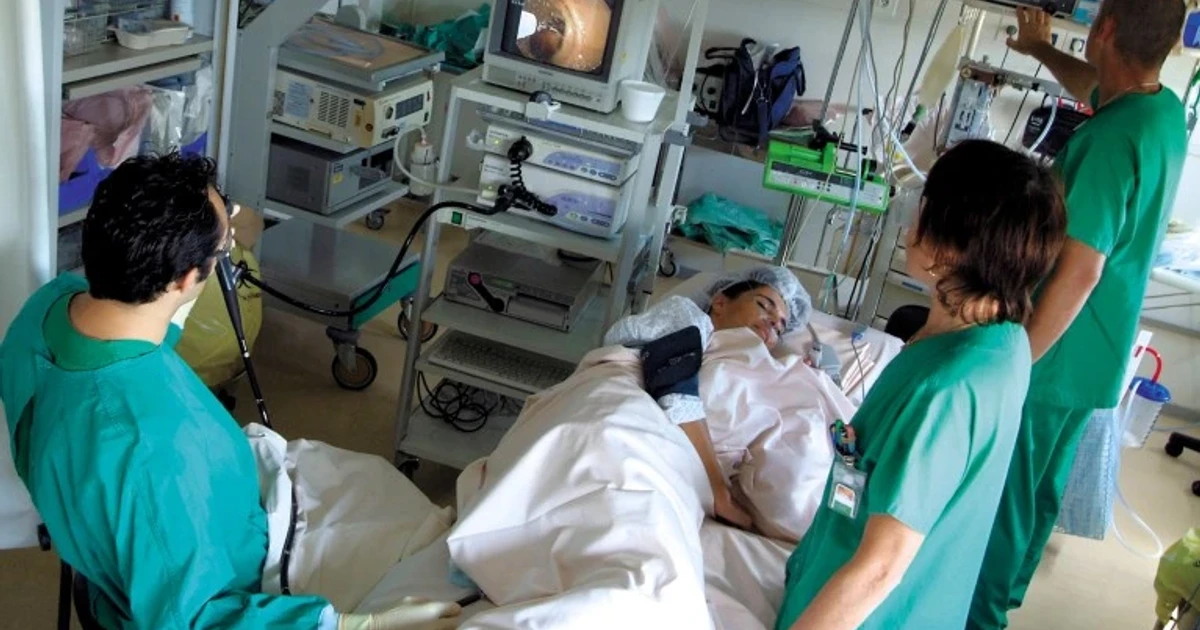
The clearest clinical warning has come from endoscopy. In 2025, a multicentre observational study found that experienced colonoscopists exposed to AI-assisted polyp detection saw a 6.0% absolute decline in adenoma detection rate during subsequent unaided procedures after AI was introduced across four centres. Commentators in The Lancet Gastroenterology & Hepatology described that finding as the first real-world clinical evidence of automation-induced deskilling linked to patient outcomes.
The concern is not limited to medicine. IBM Research surveyed 669 users of its watsonx Code Assistant and ran unmoderated usability testing with 15 participants, finding that AI coding tools often delivered net productivity gains, but not evenly across users. The study also raised questions about ownership and responsibility for generated code, a reminder that faster output does not automatically mean stronger engineering judgment.

Nature’s Scientific Reports also published Measuring and mitigating debugging effectiveness decay in code language models, and later Nature coverage warned that over-reliance on code assistants can threaten scientific software quality. In software, as in medicine, the danger is subtle: a developer may ship code faster while becoming less fluent in debugging, architecture and the kind of careful reasoning that catches edge cases before users do.
That is why the debate is shifting from whether AI works to whether humans stay sharp enough to catch errors when it does not. In high-stakes work, the task is not to reject AI, but to keep enough low-tech practice, supervision and independent judgment that clinicians and engineers can still function when the tool is absent.
Sources
- [1]nature.com
- [2]qualitysafety.bmj.com
- [3]thelancet.com
- [4]arxiv.org