World
Heavy monsoon rains kill six in Mumbai building collapse
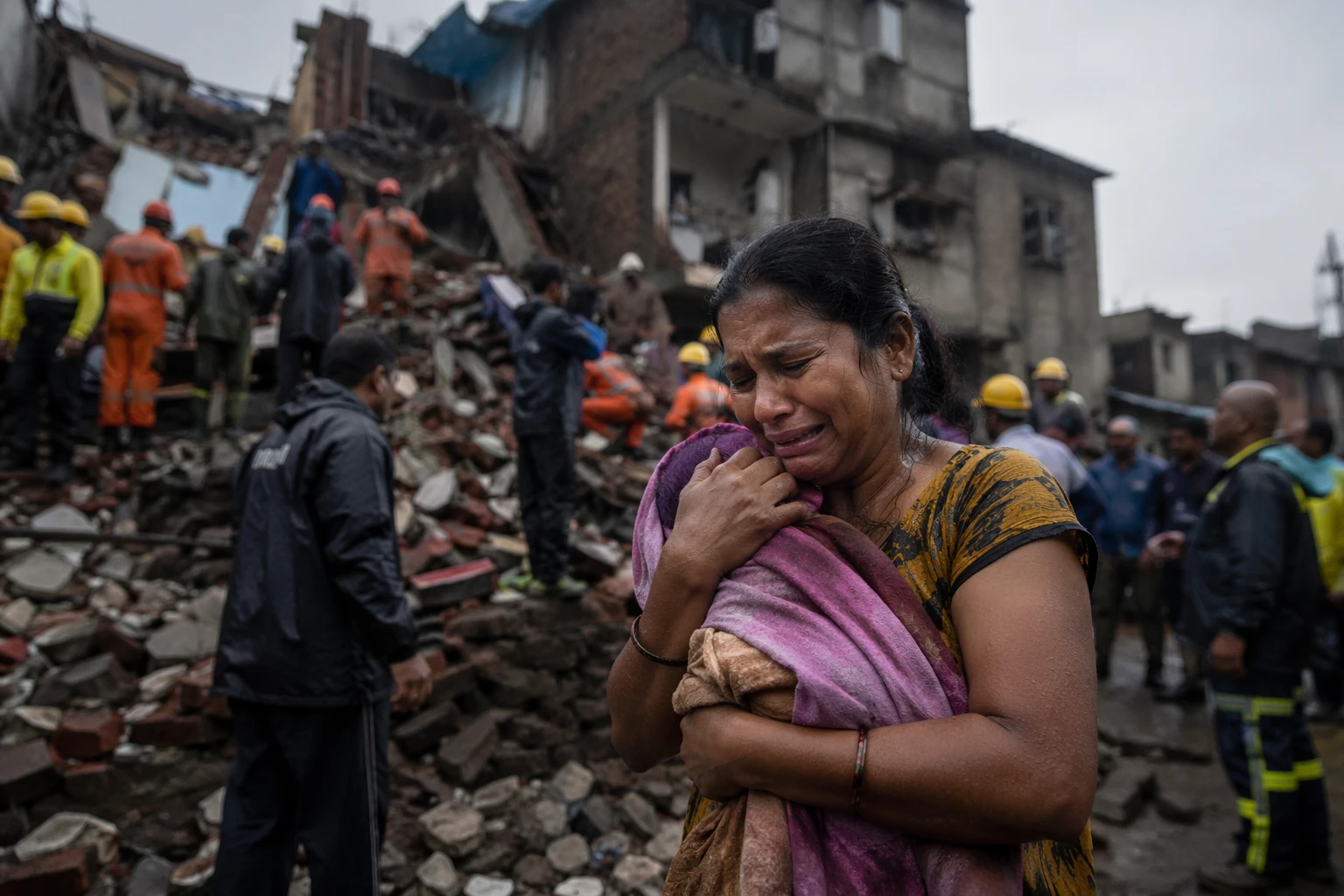
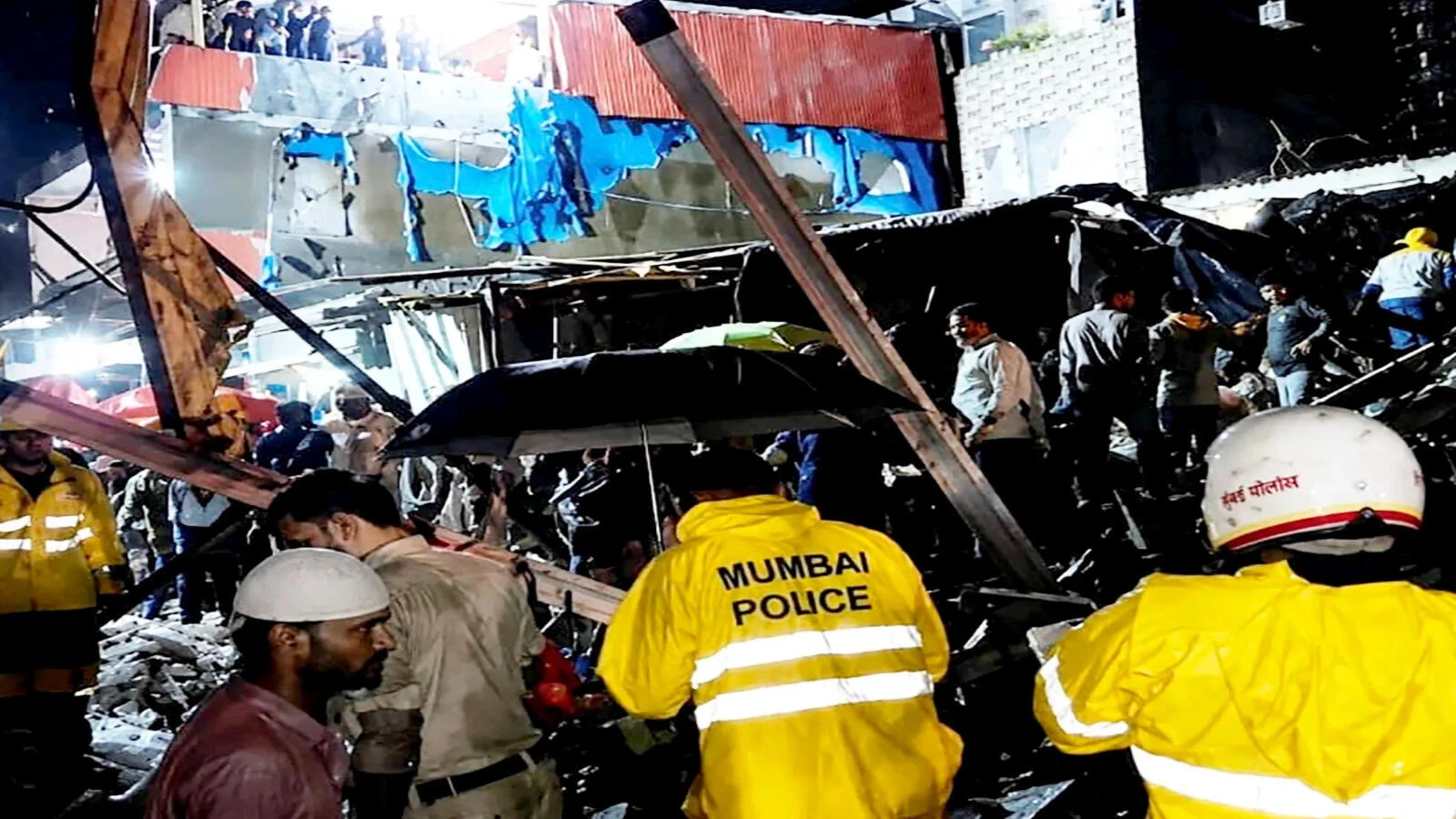
Six people, including five children, died when two to three multi-storey homes collapsed in Mumbai’s Mankhurd area as heavy monsoon rain battered the city and exposed how quickly weak housing can turn lethal. The dead included one woman and five young children, civic authorities said, in a collapse that turned a slum block into a mass-casualty scene.
The collapse hit Chawl No. 5 in Janta Nagar, behind Hanuman Mandir, around 8:30 p.m. on Sunday. National Disaster Response Force teams were sent in quickly, with the Mumbai Fire Brigade and municipal responders working through rain-soaked debris and the threat of more instability as rescue crews searched the wreckage.
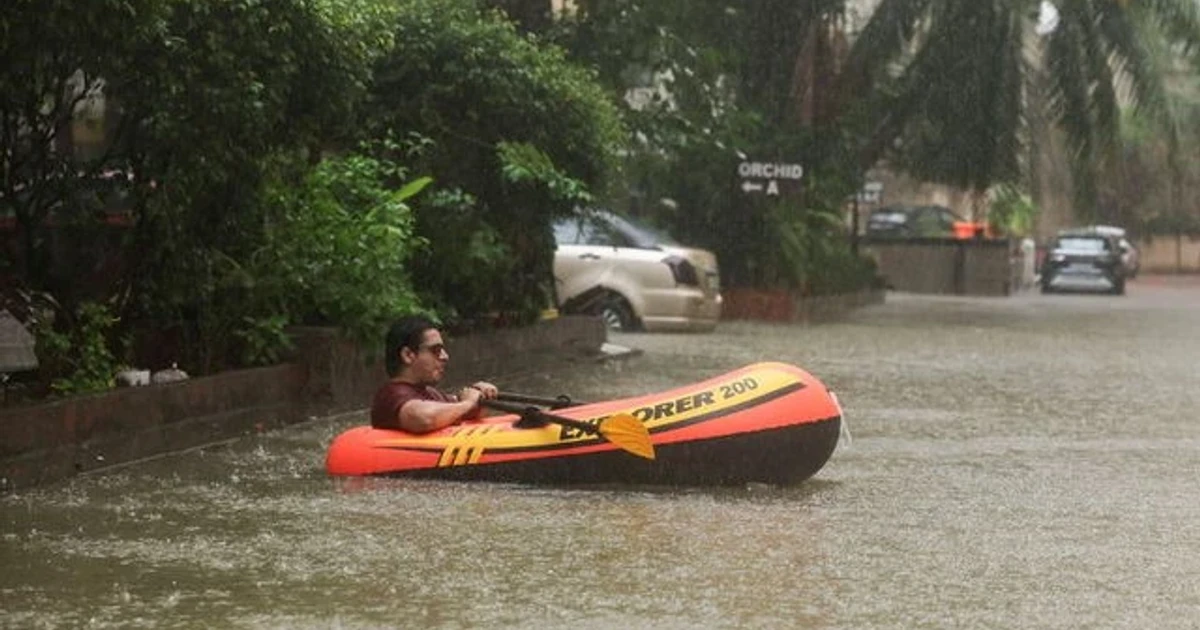
The storm damage spread well beyond Mankhurd. Heavy rain triggered landslides on the Mumbai-Pune Expressway, including the Missing Link section near the Khandala exit, forcing traffic diversions and shutting the Mumbai-bound lane. Across Mumbai, flooding slowed travel, shut schools and deepened the pressure on a city where seasonal rain already strains roads, drainage and emergency response. Under red-alert conditions, Mumbai University postponed examinations and the city’s dabbawalas suspended deliveries, a reminder that the monsoon can interrupt both daily routine and the logistics of a commercial capital.
The India Meteorological Department had warned on July 1 that rainfall activity would increase over Maharashtra between July 1 and July 7, and its Mumbai office was still showing active warnings and observations on Monday. The timing mattered: the city was dealing with a forecasted surge in rain while dense neighborhoods, many built on low-lying or unstable land, remained exposed to collapse, flooding and landslides.
The losses also fit a broader public-health pattern that goes far beyond one night’s disaster. A study highlighted by Princeton University and the University of Chicago found that rainfall and flooding account for about 7% to 8% of deaths during Mumbai’s monsoon season, or roughly 2,300 to 2,700 deaths each season in the 2006 to 2015 period. A separate University of Chicago Climate and Energy Institute analysis found that a single day with 150 millimeters of rain raises the risk of death over the following five weeks by 2.2 percent. In Mumbai, the monsoon is not only a weather event but a repeated test of whether housing, drainage and emergency systems can protect the city’s poorest residents before a downpour becomes a death toll.