Politics
Hegseth defends foreign policy remarks after Iran conflict and D-Day speech
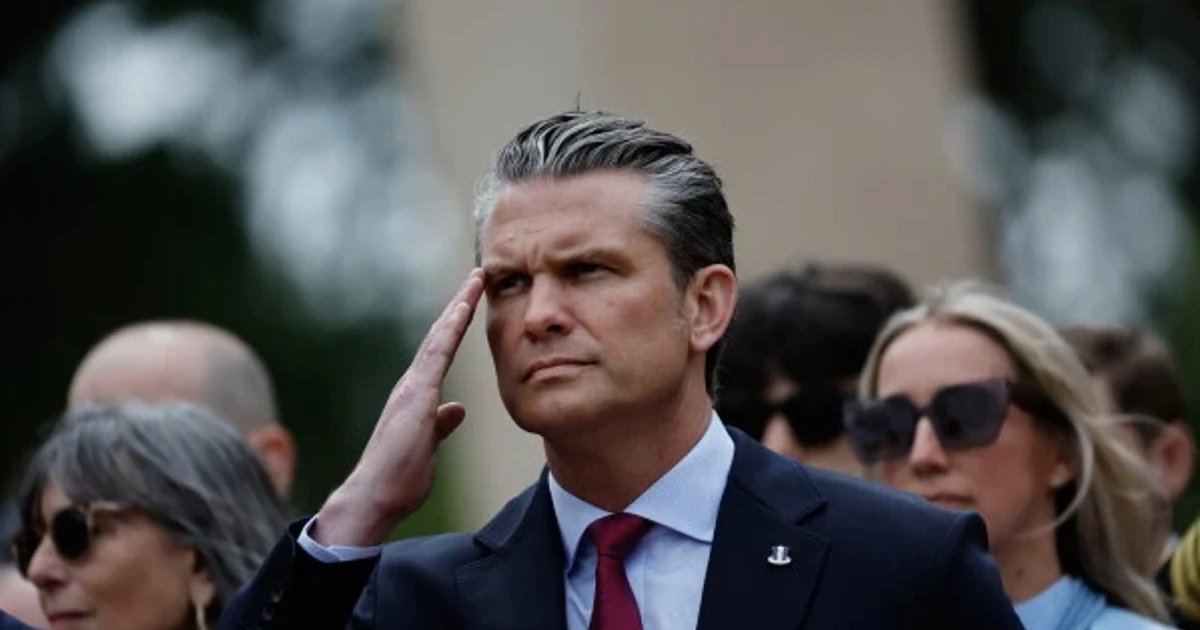
Pete Hegseth used a Sunday interview to reinforce a hard-line defense posture that has defined his public remarks since the Iran conflict and the D-Day anniversary in France. The defense secretary’s comments, airing on Face the Nation with Margaret Brennan, came after weeks in which he had cast U.S. military power as decisive in Iran and tied European security to a broader warning about migration and ideology.
Hegseth’s most consequential statements have been about force and follow-through. On March 4, he said a U.S. submarine had sunk an Iranian warship in the Indian Ocean, a strike CBS described as the first time since 1945 that a U.S. Navy submarine had used a torpedo to sink a warship. Days later, on March 8 and March 9, he backed President Donald Trump’s demand for Iran’s unconditional surrender, signaling that the administration wanted Tehran to understand the pressure would not stop at one strike or one warning.
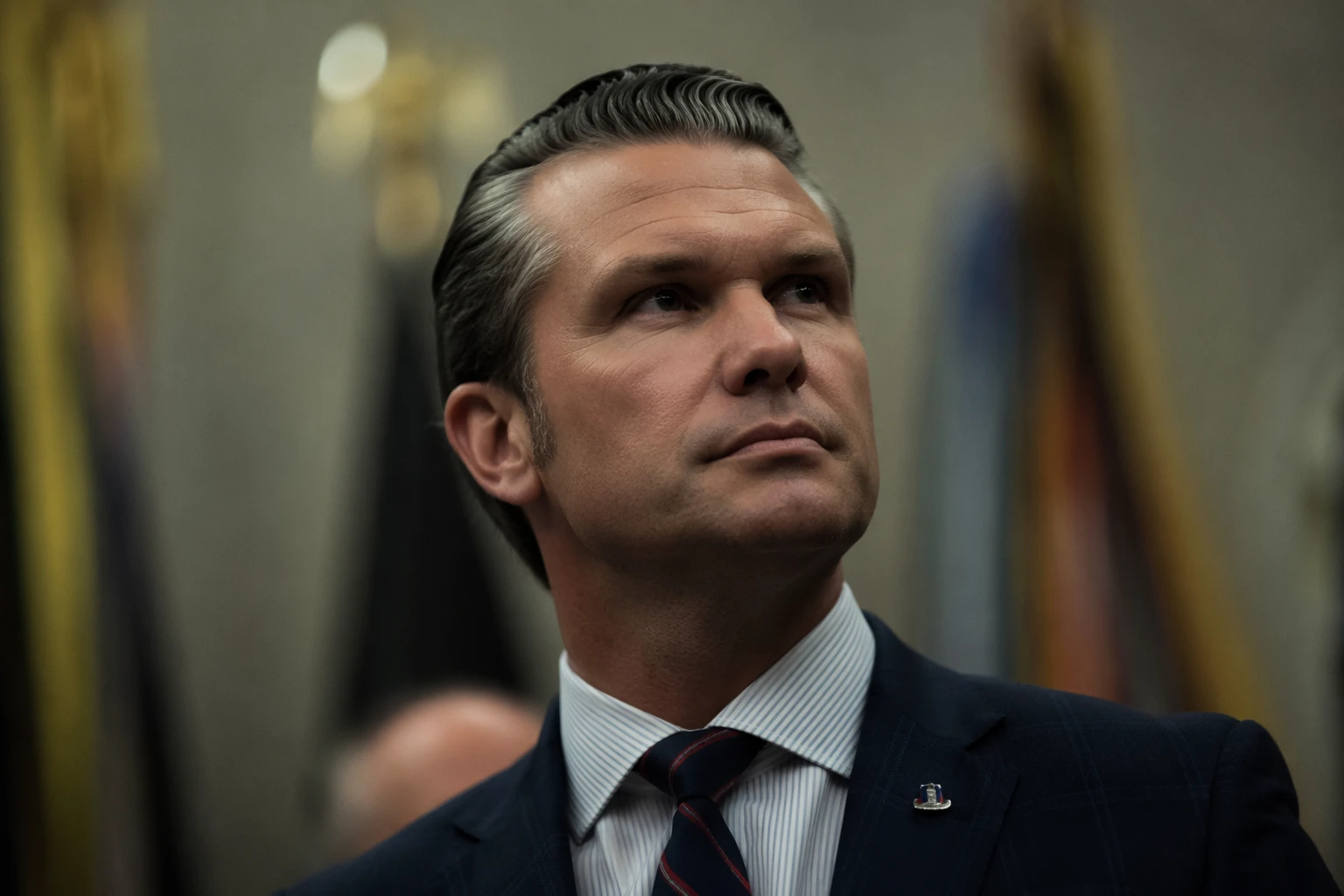
He sharpened that message again on April 8, after a ceasefire announcement, when he said the Pentagon’s job was done in Iran and that the United States would “be hanging around,” while Iran should understand it would never possess a nuclear weapon. Taken together, those remarks suggest an administration posture that favors short, forceful military action paired with public insistence that Iran will be denied a nuclear capability.

The European dimension of Hegseth’s message surfaced most visibly on June 6, when he spoke at the Normandy American Cemetery in Colleville-sur-Mer, France, during the 82nd anniversary of D-Day. There, CBS reported that Hegseth used immigration and invasion language, warning that “different European beaches are stormed by different dangerous ideologies.” The setting, at a site sacred to the memory of the Allied landing, gave his remarks an unmistakable political edge as he linked wartime sacrifice to present-day security debates.
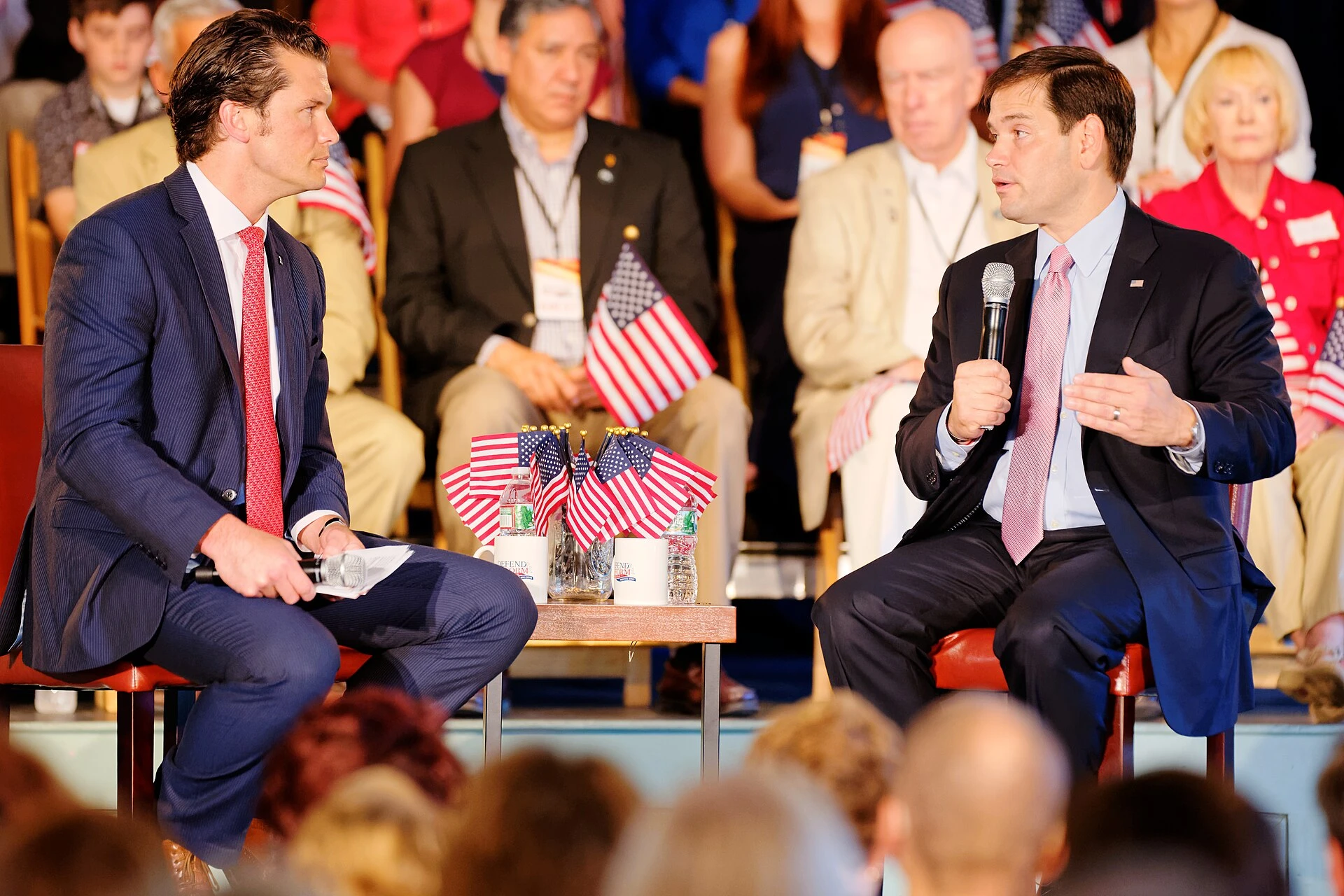
Hegseth’s appearance on Face the Nation also put him before two Senate Democrats, Mark Kelly of Arizona and Mark Warner, as the administration faced scrutiny over both the Iran conflict and its rhetoric abroad. The interview underscored how Hegseth has become a central voice in shaping the Pentagon’s public case for a more confrontational U.S. military stance, one that emphasizes deterrence, direct strikes and a willingness to speak in stark ideological terms.
Sources
- [1]cbsnews.com