World
Hegseth lashes out at NATO allies, orders review of US forces in Europe
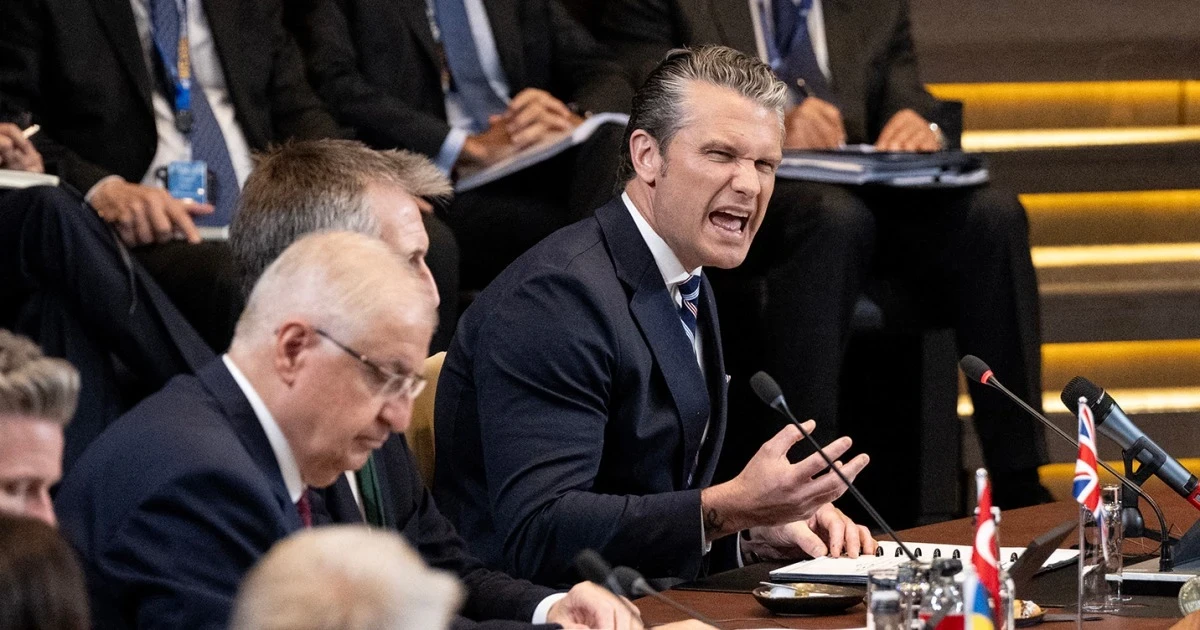
Defense Secretary Pete Hegseth put America’s military posture in Europe back on the table Thursday, ordering a Pentagon review that could reshape where U.S. forces are based, what they do and how long Washington keeps them there. The six-month review will examine U.S. force posture and basing across Europe, with its outcome tied to how quickly European allies take on more responsibility for their own security.
Speaking to NATO defense ministers in Brussels, Hegseth framed the review as a test of allied resolve. “Some countries will fail, and others will pass with flying colors,” he said, underscoring that Washington wants a more Europe-led burden-sharing model and a smaller U.S. role in day-to-day European defense.
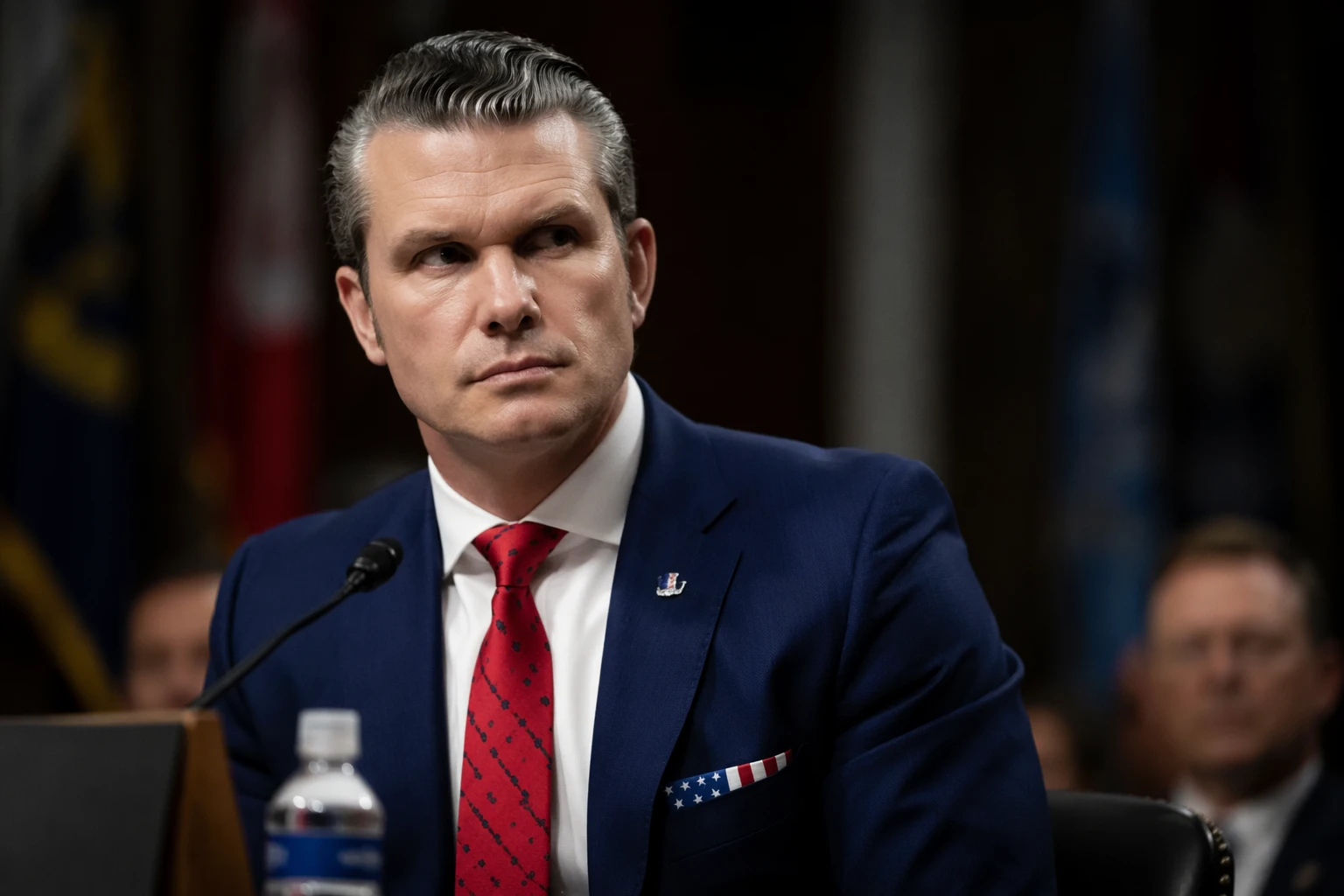
Hegseth also sharpened the political attack on allies he said have not matched American expectations in war and peace. He criticized some NATO members for not giving U.S. forces access to European bases for strikes on Iran, calling that “shameful,” and accused European governments of putting too much emphasis on gender equity, climate change and defense austerity instead of military readiness.
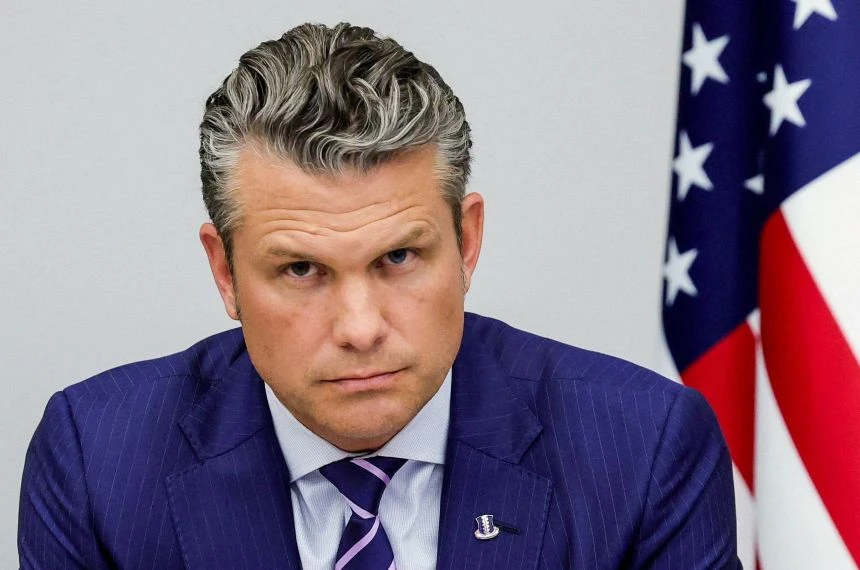
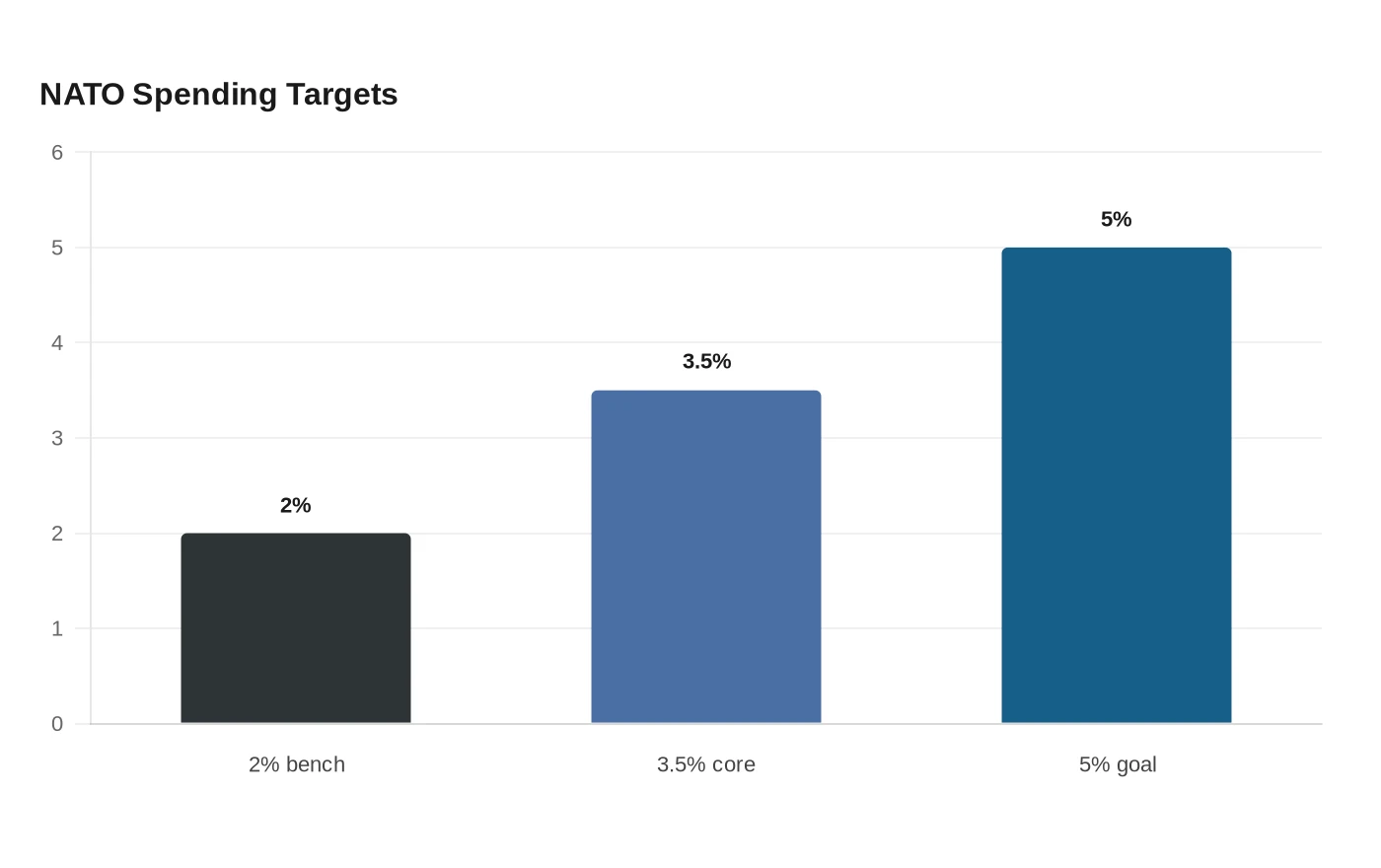
The review lands as NATO members are already under pressure to spend more. NATO Secretary-General Mark Rutte said allies and Canada spent $90 billion more on defense last year, a 20% increase over 2024. At the alliance’s 2025 summit in The Hague, members agreed to a new commitment to spend 5% of GDP on defense by 2035, including at least 3.5% for core military requirements, up from the 2% benchmark adopted in 2014.
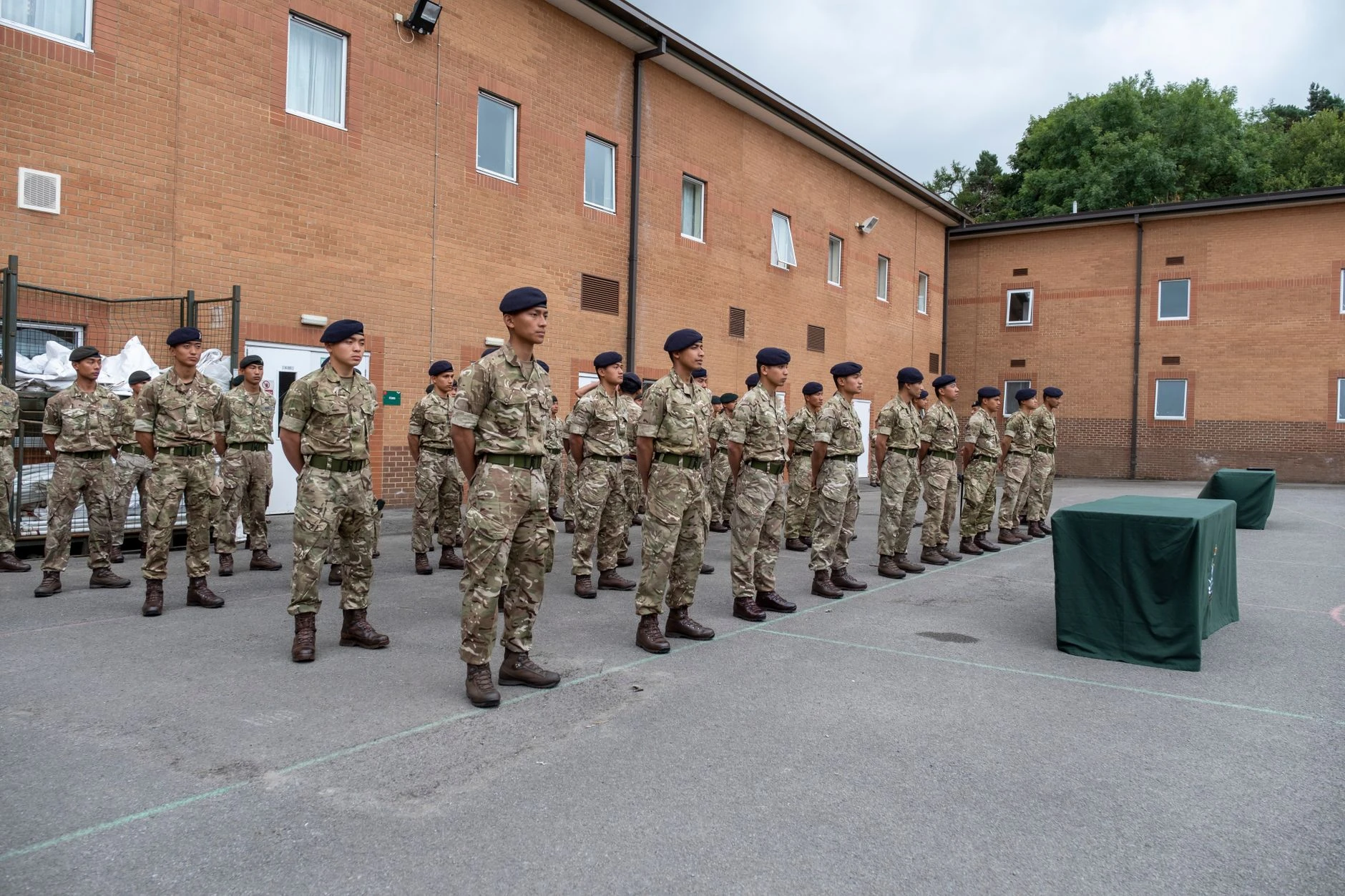
Washington has also sent a broader signal that Europe should shoulder more of its own defense. On June 3, the United States said it would no longer supply certain warships and aircraft if an ally came under attack, a move that pushed European allies and Canada to work on closing capability gaps. Hegseth has described the administration’s goal as a more Europe-led “NATO 3.0,” while U.S. officials argue America must prepare for two simultaneous conflicts, including one in the Indo-Pacific region.
The review follows earlier signs that the U.S. presence in Europe may be trimmed. Allied officials had already been told Washington would gradually scale down some strategic bombers, fighter jets, drones, submarines and warships dedicated to NATO. Hegseth also previously ordered about 5,000 U.S. troops withdrawn from Germany over the next year, and a planned 4,000-troop armored brigade deployment to Poland was later halted. Any further pullback would send a pointed signal to Moscow and to European governments still trying to measure how far the Trump administration intends to shift the burden across the Atlantic.
Sources
- [1]nbcnews.com
- [2]wwno.org
- [3]usnews.com
- [4]defensenews.com
- [5]nato.int
- [6]politico.eu
- [7]breakingdefense.com