Politics
Hegseth orders Pentagon testosterone screenings for troops over 30

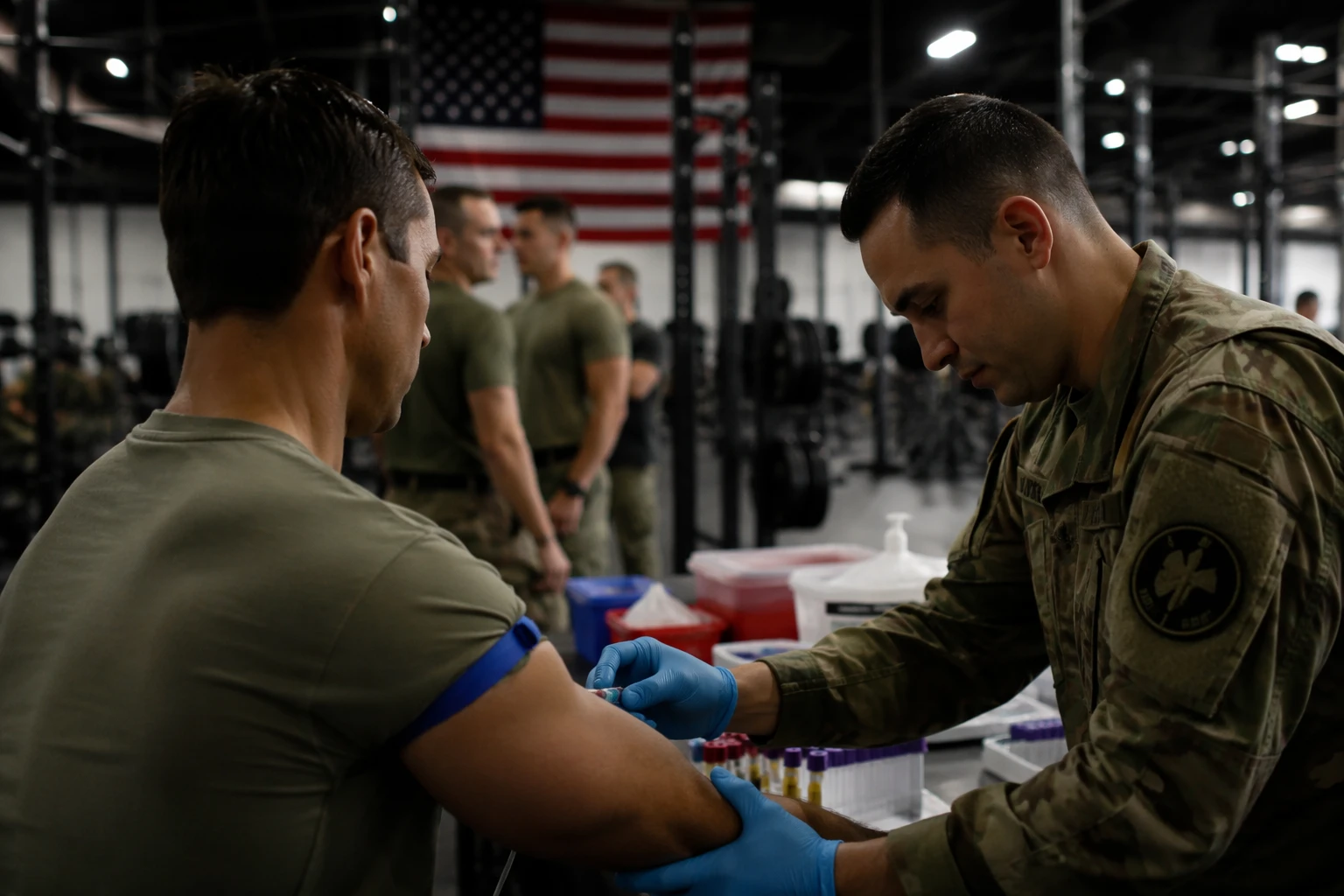
Defense Secretary Pete Hegseth ordered annual testosterone screening for troops age 30 and older, putting hormone testing into the Pentagon’s required medical assessments for service members across the force. Service members under 30 can volunteer to be tested, and any testosterone replacement therapy remains voluntary.
The policy applies to women as well as men, expanding the reach of a plan that immediately drew attention for its unusual scope. Reuters described it as mandatory annual screening for troops 30 and older with optional treatment for those diagnosed with low levels, while NBC News said the military would begin testing testosterone as part of routine health assessments.
Hegseth framed the move as a readiness measure, saying the goal was to help troops operate at their “absolute best” and stay on the “leading edge of lethality.” But the announcement also fit a broader image he has cultivated for the Pentagon, one rooted in a hard-edged, manosphere style that critics say treats masculinity as a defense policy issue. In his 2024 book The War on Warriors, The Atlantic noted, Hegseth warned that the military risked becoming “effeminate, and apologetic,” and said liberals want “soft men.”
The timing widened the scrutiny. PBS NewsHour reported that Trump officials wanted to make testosterone drugs easier to prescribe, and CNN said on June 20, 2026, that HHS had requested updates to testosterone therapy product labels, though no official changes had been made. That broader push gave Hegseth’s screening order the feel of more than an isolated health policy; it looked like part of a larger effort to normalize testosterone treatment inside the administration.

Medical experts quickly questioned whether screening healthy troops for low testosterone was a serious readiness tool or a medically thin intervention looking for a mission. STAT said the proposal divided experts, and the Washington Post said doctors questioned Hegseth’s claims. The Pentagon has not paired the screening announcement with public evidence showing it would improve fitness, deployability, or combat performance, even as it recasts a hormone test as a marker of lethal edge.
Sources
- [1]nytimes.com
- [2]wsls.com
- [3]nbcnews.com
- [4]theatlantic.com
- [5]pbs.org
- [6]cnn.com
- [7]statnews.com
- [8]reuters.com