US News
Hegseth orders Pentagon testosterone screenings for troops over 30
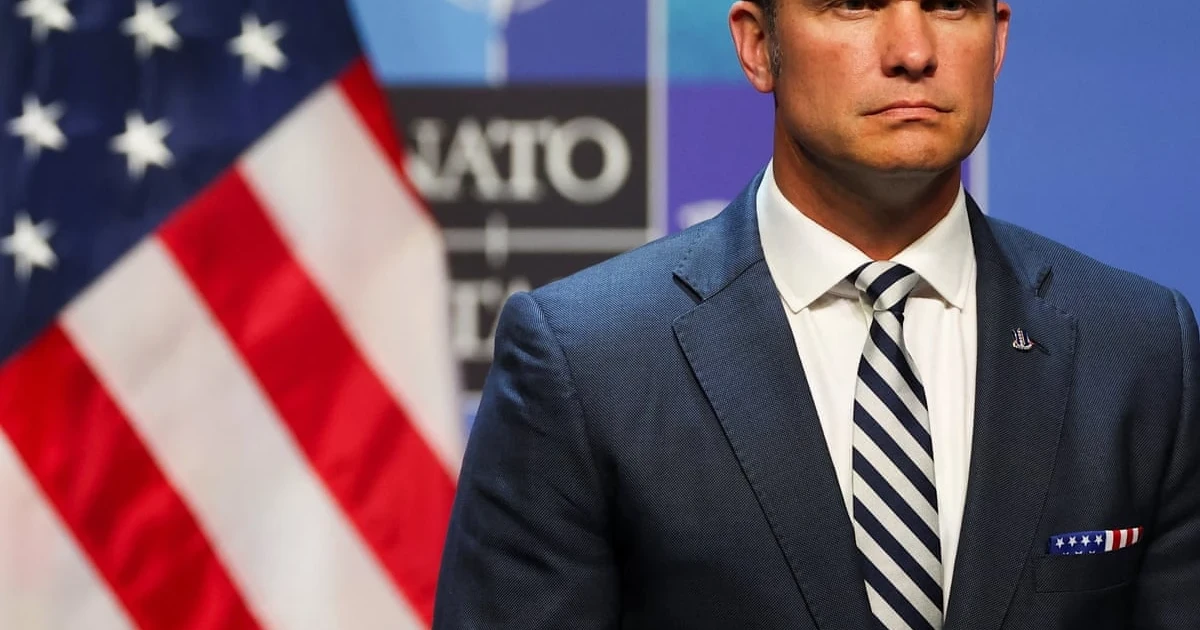
Pete Hegseth ordered the Pentagon to begin annual testosterone screenings for service members age 30 and older, folding the test into required medical exams and making it available on a voluntary basis to younger troops. If doctors recommend treatment, Hegseth said testosterone replacement therapy would remain voluntary.
The policy reaches beyond a narrow medical check. The screening program is set to cover women as well as men, even though Hegseth did not clearly spell out how low testosterone would be defined for female service members or whether follow-up care would differ by sex. That ambiguity matters because women also produce testosterone, though at much lower levels than men, which makes the line between routine care and performance management harder to draw.
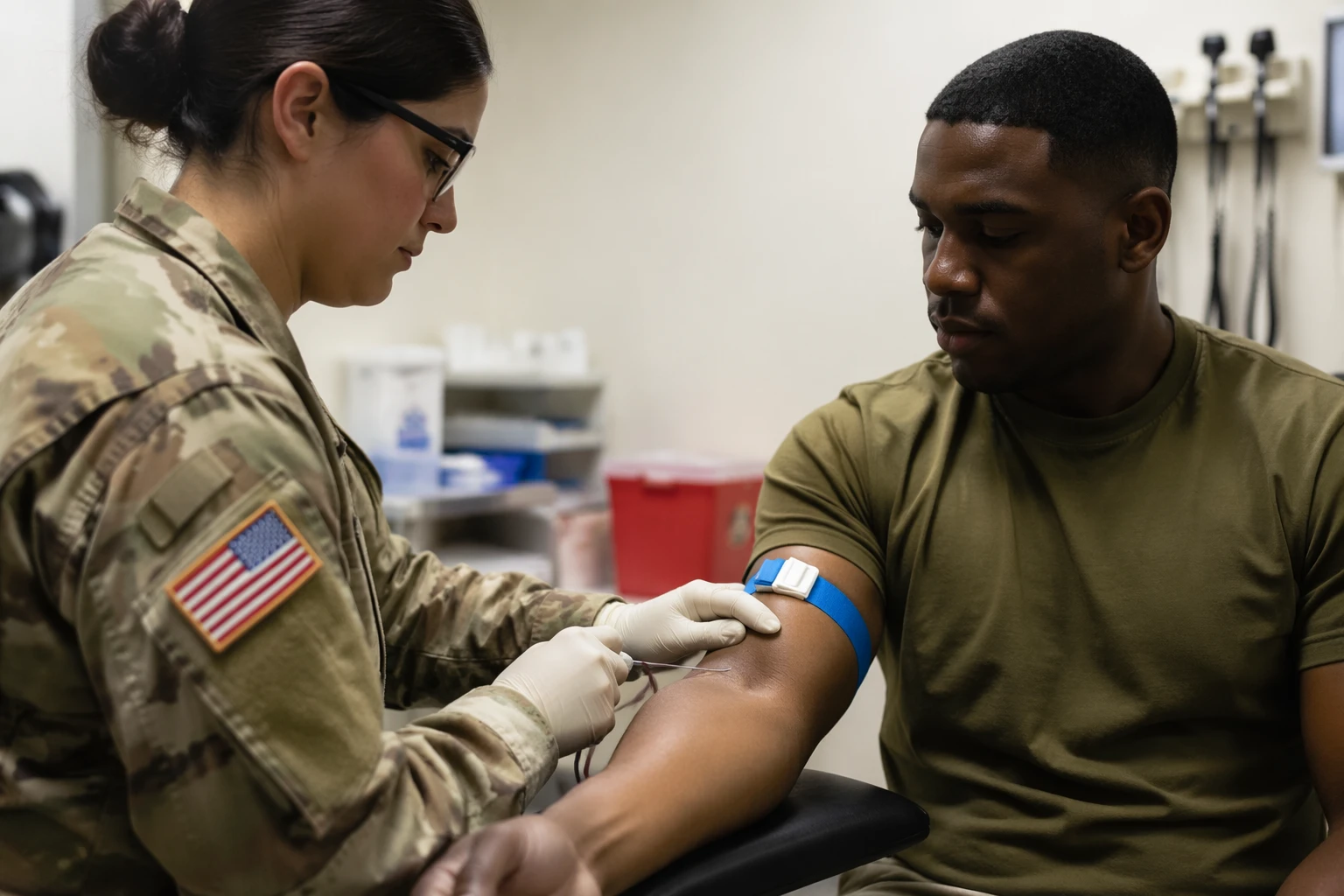
Hegseth cast the effort as a readiness measure, saying troops need the “biological foundation” and “right testosterone levels” to fight at their best. The language fit a broader pattern in his leadership style, which has emphasized masculinity, fitness and “warrior ethos” inside the force. It also followed his September 2025 rollout of new combat-role standards that required a “male standard” regardless of gender.
The announcement lands at a moment when the military is still wrestling with women’s roles in combat and with the demands of the most punishing jobs in uniform, including special operations units such as Navy SEALs and Army Delta. Those debates have long turned on the same question now hanging over Hegseth’s screening plan: whether physical standards should be measured by sex, by mission, or by a single benchmark for everyone.
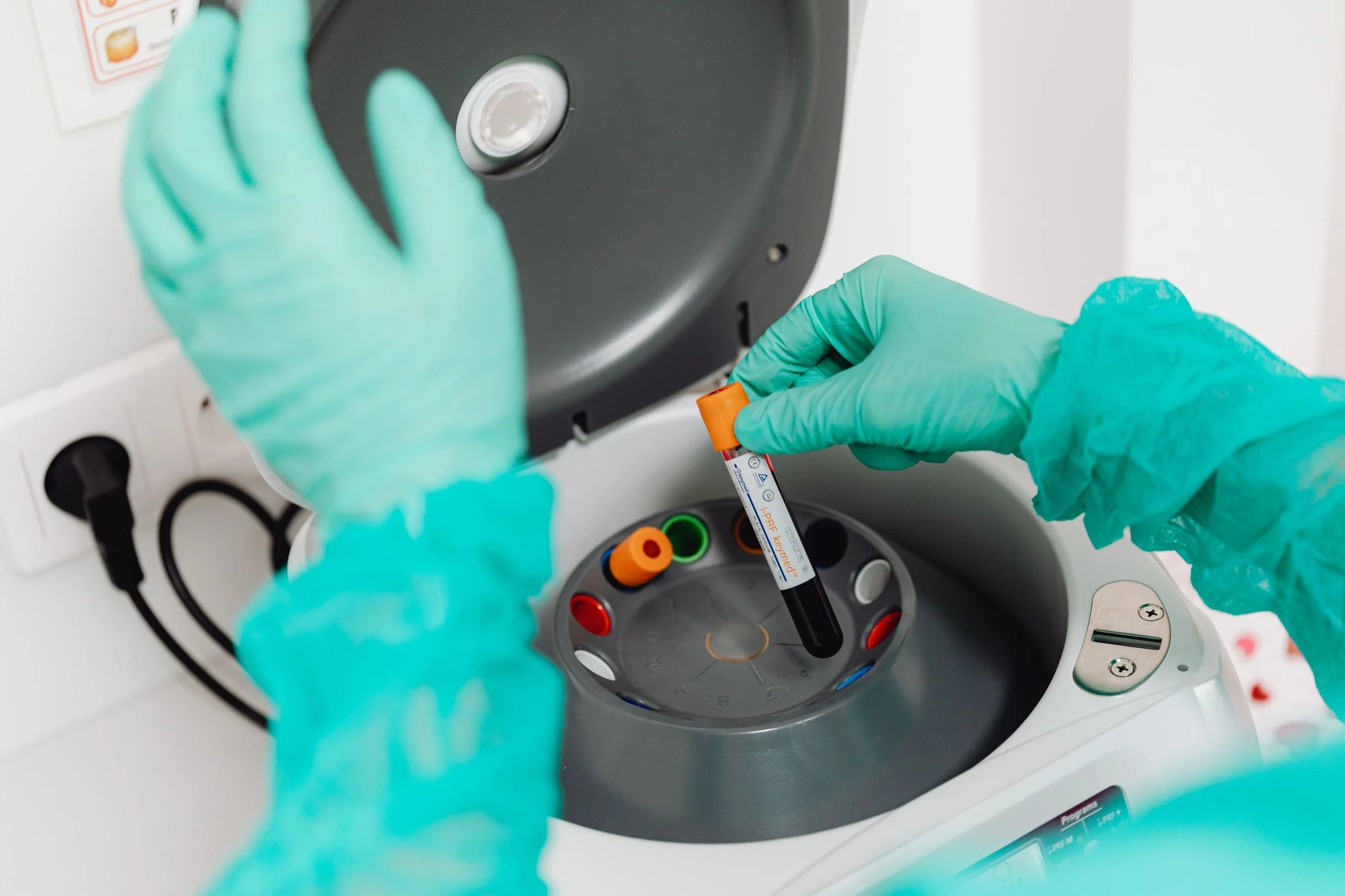
The policy also comes as the Trump administration pushes to expand access to testosterone replacement therapies, giving the Pentagon’s medical program a more politically charged backdrop. Medical experts have already raised concerns that the messaging around testosterone mixes established science with broader claims that are less well supported, especially when the screening is presented as a test of lethality rather than a routine health measure.
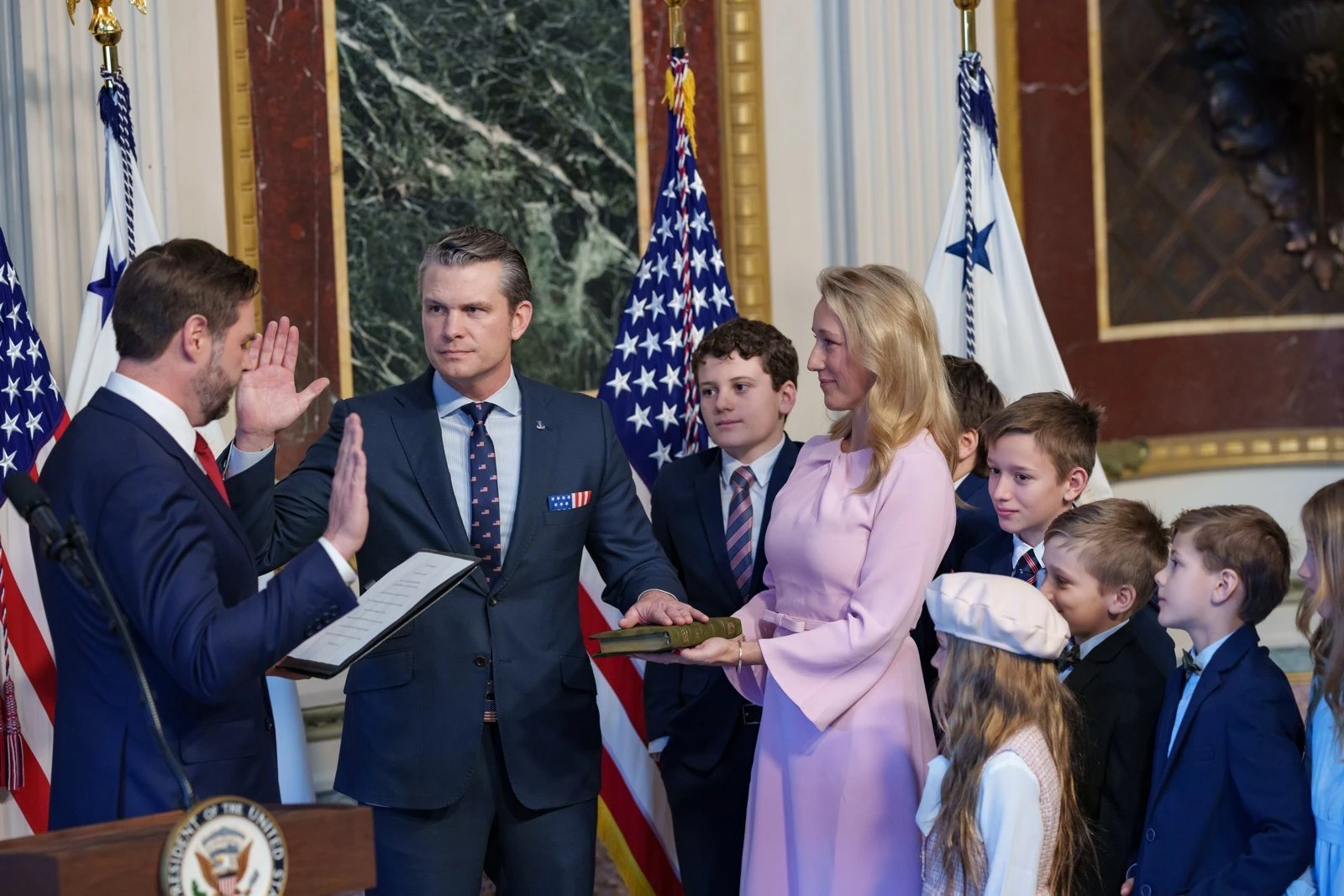
Hegseth’s move could force the Defense Department to spend more on annual testing, follow-up evaluations and possible treatment while inviting fresh scrutiny over privacy and the use of military medicine to advance a cultural message. By tying hormone screening to required medical checks for troops over 30, the Pentagon has put an ideological fight about masculinity directly inside the machinery of readiness.
Sources
- [1]nytimes.com
- [2]politico.com
- [3]usnews.com
- [4]abcnews.com
- [5]forbes.com