World
Hegseth warns Cuba against weapons that could threaten Guantanamo Bay
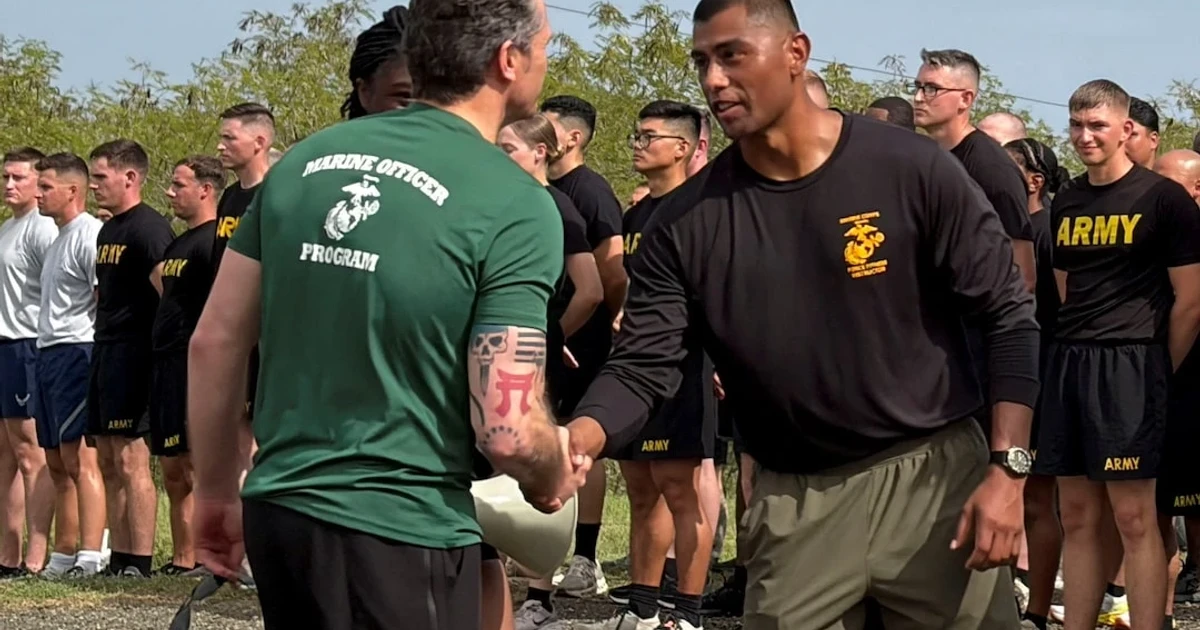
Pete Hegseth’s visit to Guantanamo Bay put the island’s most charged military outpost back at the center of U.S.-Cuba tensions. The Pentagon said the Defense Secretary traveled to the U.S. naval base in Cuba and also planned a stop in Tampa, Florida, to meet troops, while warning Havana against seeking weapons that could reach the U.S. homeland or Guantanamo itself.
The message was unmistakably dual purpose: symbolic pressure and strategic signaling. Hegseth said no country could match the capabilities of the United States, while also saying he still hoped for a positive relationship with Cuba. But he added that the Department of War would give the commander in chief every option needed, a line that cast the base not just as a military installation, but as a lever in a widening confrontation over Cuba’s future.
The trip came less than two weeks after Gen. Francis Donovan, the top U.S. commander for Latin America, visited Naval Station Guantanamo Bay and held discussions with a senior Cuban general at the base perimeter. It also followed a rare May visit to Havana by CIA Director John Ratcliffe, underscoring how frequently senior U.S. officials have moved through the Cuba file as President Donald Trump intensifies pressure on Havana.
Michael Bustamante, who heads the Cuban studies program at the University of Miami, said the visit could signal U.S. resolve and reinforce the message that refusing to negotiate could invite a military option. That reading fits a broader administration effort to force political and economic change on the island, where Cuban officials say blackouts and shortages of food, water and fuel have deepened a severe humanitarian crisis.
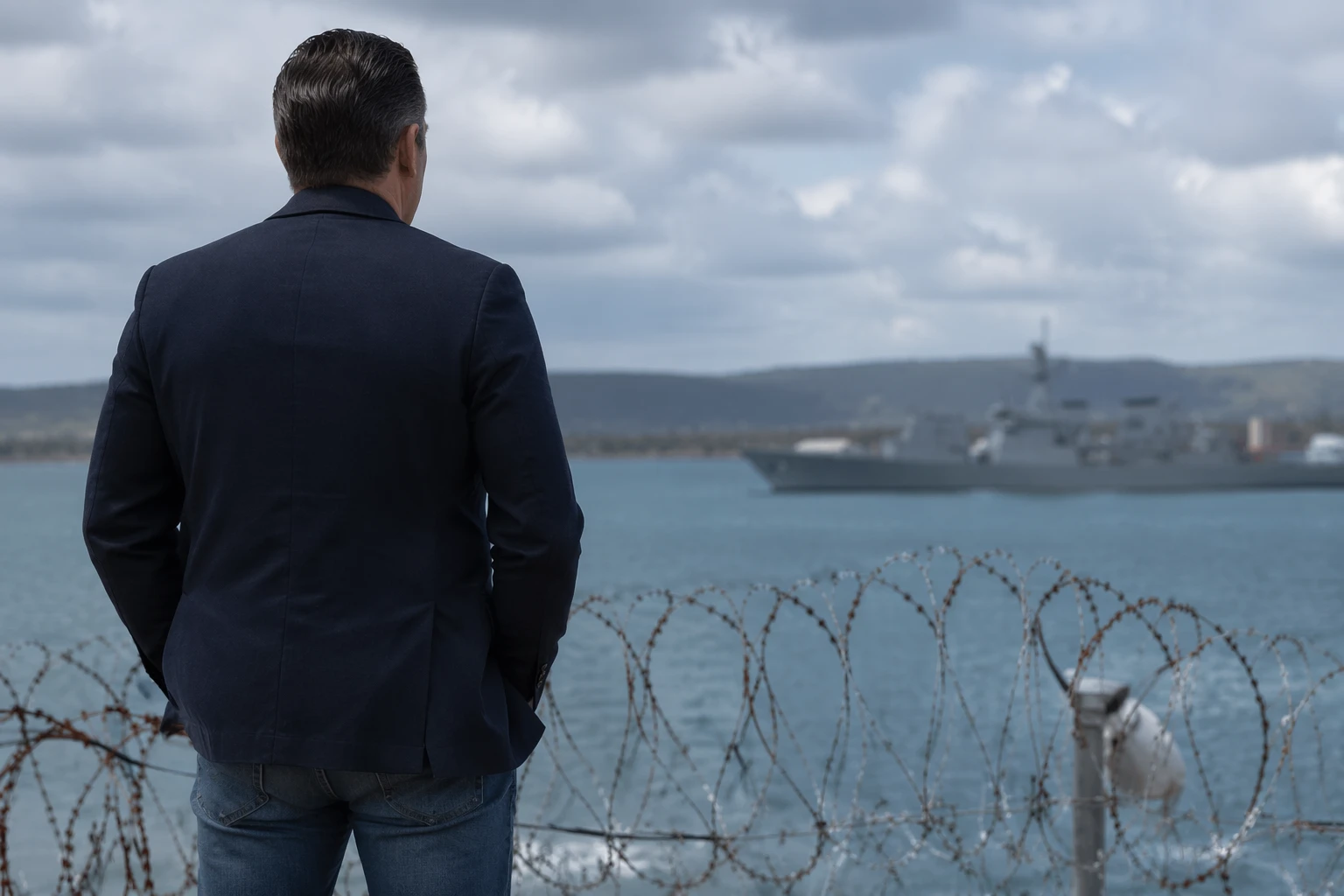
Havana is likely to read the optics as more than a routine troop visit. Cuba’s top diplomat in the United States, Ambassador Lianys Torres Rivera, said recent U.S. sanctions aimed at Cuba’s leadership and the indictment of former President Raúl Castro were a pretext for persuading Americans to support military intervention. She said Cuba is not a threat and warned that any attempt to change its government by force or coercion would meet fierce resistance.
The confrontation has been sharpened further by the 1996 Brothers to the Rescue shootdown. In May, the U.S. unsealed a superseding indictment charging Raúl Castro and five other former regime figures over the attack, which killed four men, including three U.S. citizens. For Washington, the case is a fresh accountability move. For Havana, it is another reminder that the 1996 rupture still shapes the politics of the present.
Sources
- [1]nytimes.com
- [2]usnews.com
- [3]war.gov
- [4]cbsnews.com
- [5]justice.gov