World
Heightened Tensions: Why the U.S. Is Rethinking Air Defense Before Any Strike on Iran
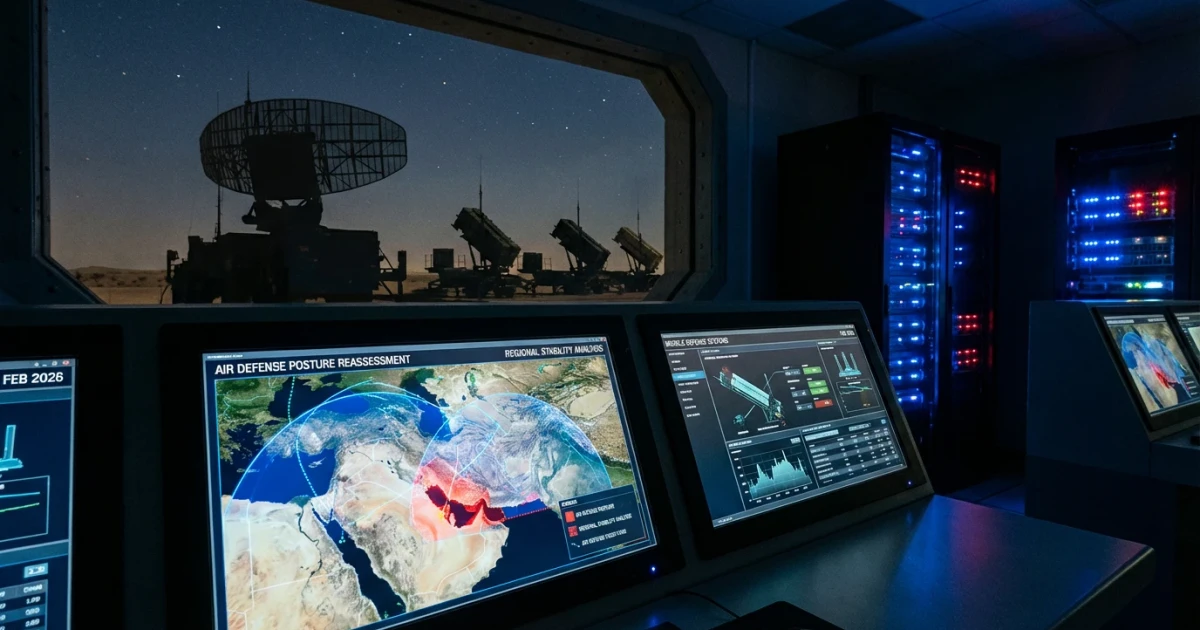
Amid escalating tensions in the Middle East, the United States is taking a cautious approach regarding potential military action against Iran, prioritizing the strengthening of regional air defenses before any offensive steps are considered. As discussions in Washington intensify over how to respond to Iranian provocations, military and political leaders are confronting a critical reality: effective air defense infrastructure is a prerequisite for both protecting U.S. forces and regional allies, and for sustaining any future operations.
Regional Vulnerabilities Drive U.S. Caution
Recent analysis highlights that the current network of U.S. and allied air defense systems in the Middle East faces significant gaps, particularly in the face of advanced Iranian missile and drone capabilities. Experts note that Iran has invested heavily in developing a diverse arsenal of ballistic missiles, cruise missiles, and unmanned aerial vehicles, which have been showcased in previous attacks throughout the region. This evolving threat landscape has placed added pressure on the U.S. to reassess its defensive posture before contemplating any direct action.
- Iran’s missile forces are among the largest in the region, with a range that covers U.S. bases and key allies.
- Recent attacks on infrastructure in neighboring countries have underscored vulnerabilities in current air defense networks.
Military planners are particularly concerned about the potential for Iranian retaliation against U.S. installations and allied nations, which could result in significant casualties and destabilize the region further if air defenses are not adequately reinforced beforehand.
Why Air Defense Comes First
According to defense officials, the U.S. is currently evaluating the deployment of additional air defense assets, such as Patriot and THAAD missile batteries, as well as upgrading early warning systems throughout the Persian Gulf. The aim is to create a robust, multilayered shield capable of intercepting a variety of aerial threats. This approach seeks not only to deter Iranian aggression but also to mitigate the risks of escalation should a military response become necessary.
Furthermore, coordinating with regional partners is a central component of this strategy. Nations hosting U.S. forces or allied with American security guarantees are being briefed on potential contingencies and encouraged to improve their own air defense readiness. This multilateral effort is viewed as essential for maintaining both operational effectiveness and political cohesion among U.S. partners.
The Strategic Calculus Behind Delaying Action
The decision to delay any potential strike on Iran is rooted in a recognition of the significant risks posed by insufficient air defense coverage. Analysts argue that a hasty military move without reinforced defenses could invite a barrage of retaliatory attacks, overwhelming current capabilities and endangering American and allied personnel.
As reported, the U.S. is wary of repeating past scenarios where a lack of adequate preparation led to unintended consequences. By taking a deliberate approach, Washington hopes to maintain strategic leverage while signaling to both Iran and the international community that it remains committed to regional security.
Looking Forward: Deterrence, Diplomacy, and Defense
While the possibility of a U.S. strike on Iran remains under consideration, the immediate focus is on shoring up defenses and coordinating with regional allies to deter further escalation. This approach reflects a broader strategic shift toward resilience and preparedness in an increasingly volatile Middle East. With tensions still high, the coming months will likely see further deployments and upgrades as the U.S. seeks to balance deterrence, readiness, and diplomatic engagement.
For ongoing updates on the situation, readers can follow the official U.S. Department of Defense and U.S. Central Command websites.