Entertainment
Helen of Troy: beauty, goddess, and spark of the Trojan War
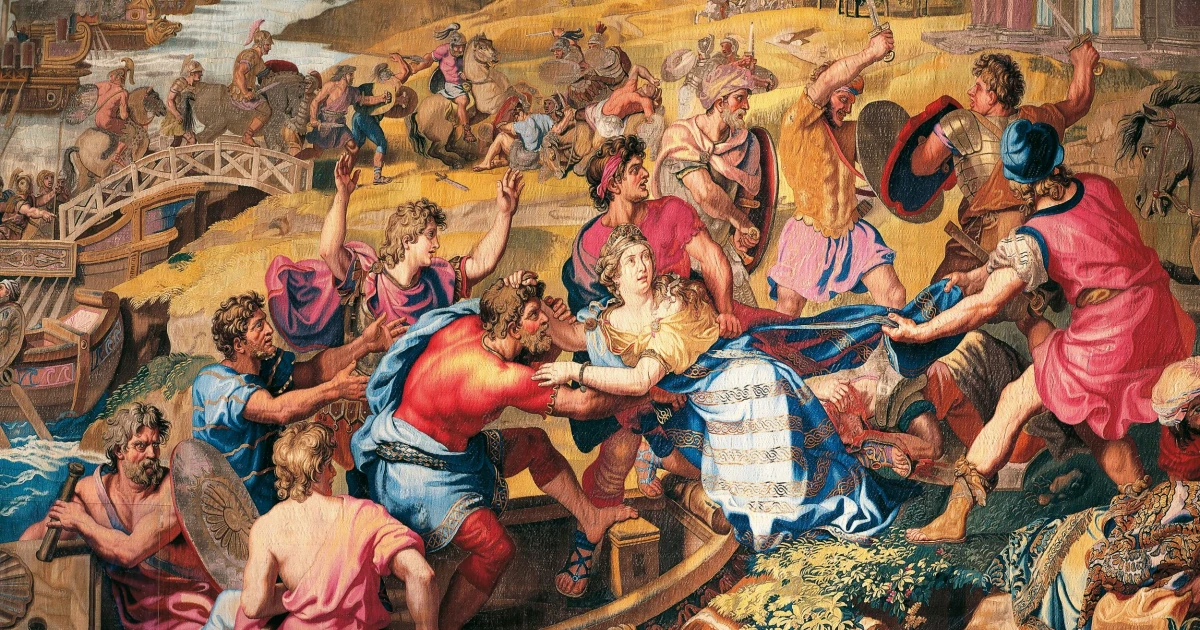
Helen is remembered as the most beautiful woman in Greece and the indirect cause of the Trojan War, yet the myth keeps splitting her into competing roles: queen, captive, goddess, prize, and symbol of blame.
The familiar version and its fault line
In the best-known account, Helen is the wife of Menelaus, king of Sparta, and her connection with Paris of Troy sets the conflict in motion. Paris, the son of King Priam of Troy, carries Helen away, or she flees with him, and the result is a war that lasts more than a decade. The key word in the old tradition is indirect: Helen is tied to the war’s beginning, but the violence around her belongs to a wider chain of kings, vows, rival claims, and divine intervention.
The canonical myth does not present Helen simply as a woman whose beauty destroyed a civilization; it presents her as the hinge on which a much larger contest turns. Sparta, Troy, Menelaus, Paris, and Priam all remain part of the machinery of the story.
A woman with divine ancestry
Helen is not only a mortal beauty in Greek legend. Ancient tradition gives her divine parentage, with Zeus as her father and Leda or Nemesis named as her mother in different accounts. Because of that ancestry, she was sometimes regarded as a minor goddess, a figure whose identity sits between divine and mortal worlds.
The mother story is itself a clue to the myth’s flexibility. One version links Helen to Leda, and still other variants say Leda hatched Helen from an egg. The egg motif pushes the legend further away from ordinary human birth and closer to a world where bodies, origins, and status are all unstable.

Abduction, flight, and the question of consent
The sharpest divide in Helen’s story is whether she was taken, chose, or was simply claimed by the men around her. Some ancient traditions say Helen was abducted by Theseus when she was young, adding another episode of seizure before the famous journey to Troy. The Paris episode is also split between abduction and flight, which means the story can be told as kidnapping, elopement, seduction, or political theft depending on who is telling it.
That ambiguity is the core of Helen’s place in the myth. If she is abducted, the blame shifts toward the men who take her and the structures that reward possession. If she flees willingly, the story turns into a morality tale about desire and betrayal. Ancient tradition supports both readings.
Why the blame keeps moving
Helen’s longevity in Western literature and art comes from the way different tellings use her to distribute responsibility. Writers have portrayed her as a victim, an adulteress, a prize, or a political catalyst, and each version serves a different purpose. The victim reading emphasizes coercion and strips the myth of its easiest scapegoat. The adulteress reading preserves the old accusation and keeps her beauty tied to catastrophe. The prize and political catalyst versions expose the men around her, making Helen less a cause than a symbol through which power is negotiated.
One modern tension runs through all of these versions: some accounts keep Helen loyal to Menelaus and insist she never sailed to Troy at all. That is the clearest departure from the canonical version, because it removes Helen from the center of consent and places the burden of the war on kings, cities, and conquerors.
Sources
- [1]nytimes.com
- [2]britannica.com
- [3]mythopedia.com