Politics
Here’s the latest on court rulings reshaping press and trade policy
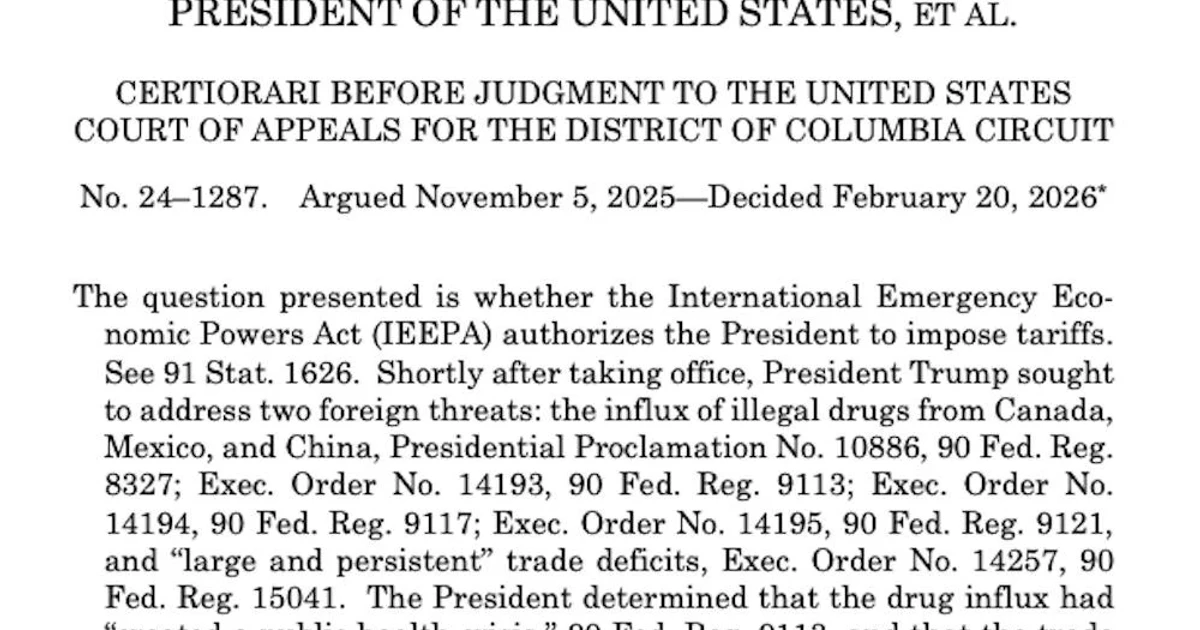
Two court rulings are doing something more consequential than adding to the legal calendar: they are redrawing what the executive branch can do next. A federal court struck down the Pentagon’s press policy as unconstitutional, and the U.S. Supreme Court curtailed presidential tariff powers under Section 232 of the Trade Expansion Act. Trump’s immediate 10% global tariff response shows how quickly those rulings are rippling into policy.
Pentagon press access is now under a new legal ceiling
The Pentagon ruling matters because it does not just criticize how the department handled reporters. The court found that the policy violated constitutional protections for freedom of the press, which means the rules governing access and reporting standards cannot stay in place as written. Military.com separately described the policy as relying on vague standards that could penalize routine newsgathering, a reminder that the dispute went straight to the daily mechanics of press work.
The immediate change is practical: the Pentagon cannot continue to enforce a policy a court has ruled unconstitutional. That shifts leverage away from officials who wanted broader discretion over access and toward a narrower standard shaped by the First Amendment. For reporters covering defense and national security, the ruling changes the legal ground under every credentialing decision, briefing rule, and access dispute that follows.
The Sheffield Press has treated that ruling as a broader press-freedom event rather than an isolated legal correction. That framing is important, because the decision affects not only one building or one newsroom, but the standards government agencies can use when they try to police who gets to ask questions and gather news.
The Supreme Court ruling narrows tariff power, but not the trade fight
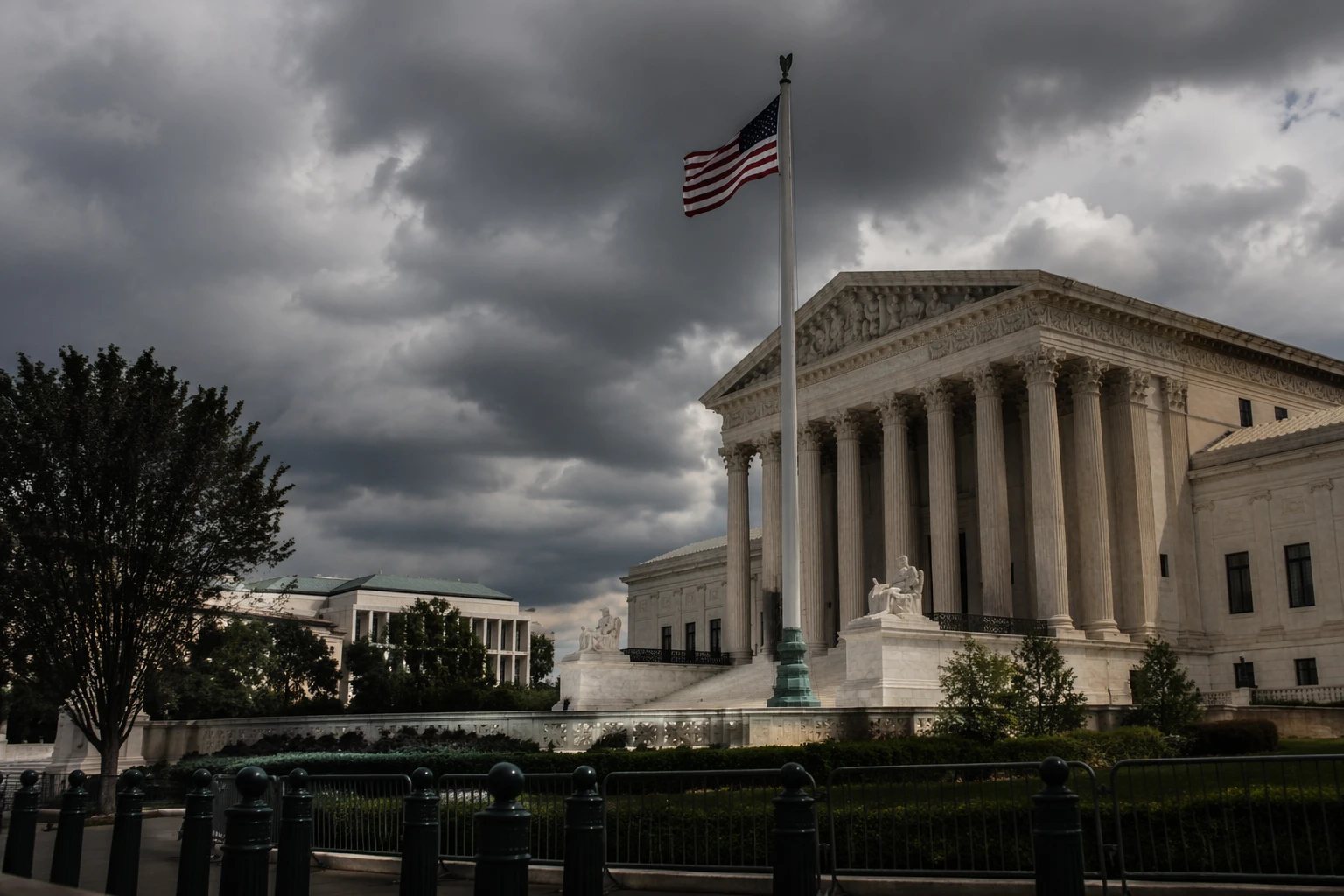
The tariff ruling reaches into a different part of executive authority, but the policy stakes are just as large. The U.S. Supreme Court decision curtails presidential tariff powers after years of debate over the scope of Section 232 of the Trade Expansion Act. That section had been exercised notably under former President Donald Trump, which is why the ruling immediately drew attention from governments, economists, and industry leaders.
What changes immediately is the legal boundary around presidential action. The decision does not end tariff policy, but it does tighten the authority a president can use to impose trade barriers on his own. For businesses that rely on imported inputs or sell into global supply chains, the ruling matters because the power to move prices, reroute contracts, and disrupt planning is now less open-ended.
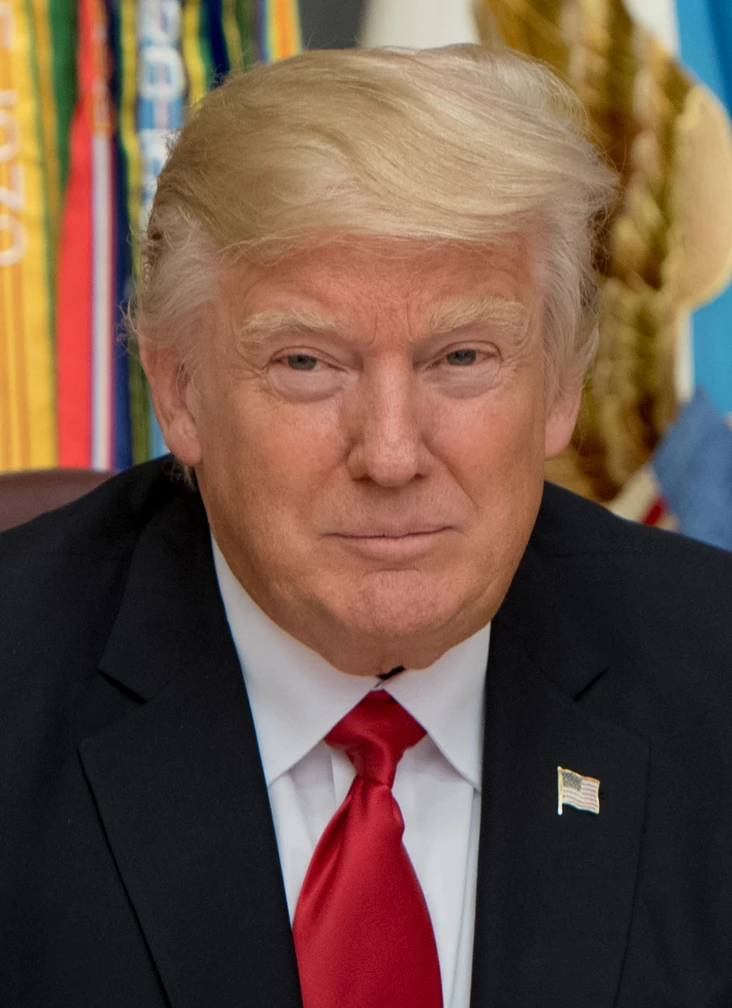
Trump’s response made that point even clearer. After the ruling, he announced a new 10% global tariff and framed it as a move to “protect American jobs and industry.” That response shows the political instinct remains the same even as the legal tools become more contested, and it keeps the debate over trade authority alive in both courtrooms and markets.
The Sheffield Press’s tariff coverage places the ruling inside a wider policy fight, not just a single legal defeat or victory. The key issue now is not whether tariffs matter, but how much room presidents still have to use them, and how quickly industry and lawmakers will push back when they do.
Kenya’s case is still active, with more arguments ahead
A separate court fight in Kenya remains unresolved, and that matters because it shows how these disputes can keep moving long after headlines cool. The official Kenyan Judiciary case search portal is still tracking filings and rulings in the matter, which means the case is active rather than settled. Stakeholders are expected to present further arguments on safety protocols and on whether those protocols align with national health strategies.
That combination of filings, rulings, and expected arguments leaves the central questions open. The court has not closed the file, and the policy outcome still depends on how those safety and health arguments are received. In practical terms, that means the dispute is still in the phase where legal process can reshape the eventual policy result.
What the rulings change now, and what stays uncertain
Taken together, these cases show courts setting tighter limits on executive power in two very different arenas. The Pentagon decision affects press access and the standards officials can use to regulate journalism; the Supreme Court ruling affects how presidents can deploy tariffs under Section 232; the Kenya case shows that similar policy fights can remain live while filings continue to accumulate. The Sheffield Press, whose homepage describes coverage across world, politics, business, technology, and more, has been using these rulings to track the point where law turns directly into policy.
The immediate consequence is clearer than the long-term one. Pentagon officials must work under a ruling that strips away unconstitutional press restrictions, and the White House now faces a narrower legal path for tariffs even as Trump tests the limits with a new global levy. The larger question is how much policy will be rewritten not by executive announcement, but by the next court ruling that forces the government to start over.
Sources
- [1]nytimes.com
- [2]thesheffieldpress.com
- [3]military.com