World
Hezbollah Blocks Lebanon-Israel Ceasefire Amid US-Iran Tensions
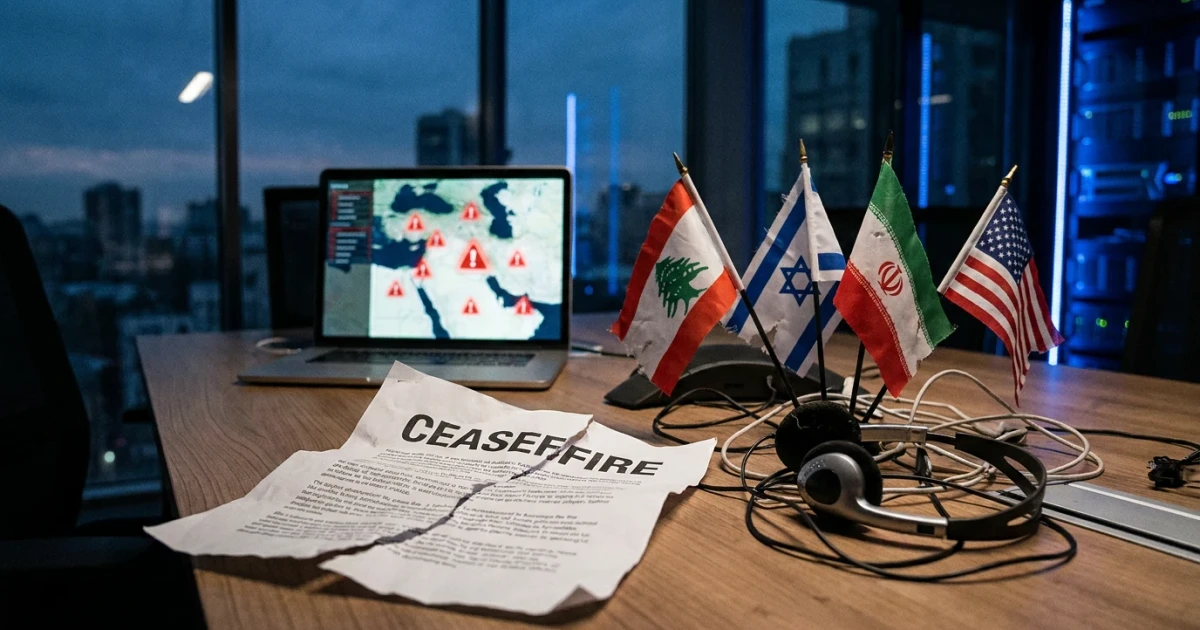
Regional tensions escalated this week as Hezbollah rejected a proposed ceasefire plan between Lebanon and Israel, while uncertainty clouded ongoing US-Iran negotiations. The developments, reported by CNN on June 4, 2026, underscore the fragile state of diplomacy in the Middle East and the persistent threat of renewed conflict.
Hezbollah Rejects Ceasefire Proposal
The ceasefire plan, aimed at halting hostilities along the Lebanon-Israel border, was met with firm resistance from Hezbollah, the Lebanese militant group and political party. According to CNN, Hezbollah's leadership declined to support the initiative, citing concerns over the terms and guarantees of the arrangement. This refusal comes amid a recent uptick in border clashes and follows several failed attempts to broker peace between the two sides.
- Hezbollah remains a dominant force in Lebanese politics and maintains a substantial military presence near the Israeli border.
- Past ceasefire efforts have been complicated by Hezbollah's ties to Iran and its role in broader regional dynamics.
- The group's rejection signals a likely continuation of violence and uncertainty for civilians in affected areas.
For readers seeking more context on Hezbollah's history and its role in regional conflicts, the Council on Foreign Relations provides a detailed explainer.
US-Iran Talks Stalled
Meanwhile, diplomatic efforts between the United States and Iran remain mired in uncertainty. CNN reports that ongoing negotiations have yet to produce a breakthrough, with both sides expressing skepticism about reaching a meaningful agreement. The talks, which aim to address Iran's nuclear activities and regional influence, have been closely watched as a potential avenue for de-escalating tensions across the Middle East.
- Recent years have seen repeated diplomatic setbacks between Washington and Tehran, often linked to Iran's support for groups like Hezbollah.
- The lack of progress in talks raises questions about future US policy toward Iran and the prospects for regional stability.
For more information on Iran's involvement in the region and arms transfers, consult the SIPRI Arms Transfers Database.
Continued Israeli Attacks
Amid stalled diplomacy, Israel has continued military operations targeting Hezbollah positions in southern Lebanon. CNN notes that these attacks follow the collapse of the ceasefire proposal and have contributed to heightened fears of a wider conflict. The intensity and frequency of Israeli strikes underscore the urgency of a diplomatic resolution, as cross-border violence threatens to spill over into broader instability.
- Israeli operations have targeted suspected Hezbollah infrastructure, aiming to deter further attacks against Israeli territory.
- Civilian populations in southern Lebanon and northern Israel remain at risk, with humanitarian data from OCHA highlighting displacement and casualty figures.
For up-to-date conflict statistics and trends in the region, the ACLED Conflict Data Dashboard offers real-time information.
Implications for Regional Security
The overlapping uncertainties—Hezbollah's rejection of the ceasefire, stalled US-Iran talks, and ongoing Israeli attacks—paint a complex picture for regional security. Analysts warn that without renewed diplomatic engagement, the risk of escalation remains high, threatening to destabilize Lebanon and potentially draw in other actors.
International bodies, including the United Nations, have called for restraint and renewed dialogue. Security Council resolutions on Lebanon-Israel ceasefire efforts, available via the UN Security Council's official records, reflect ongoing efforts to broker peace and address humanitarian needs.
Looking Ahead
As the situation develops, observers will be watching for shifts in Hezbollah's position, changes in the US-Iran diplomatic landscape, and the humanitarian impact of continued violence. The interplay between these factors will shape the prospects for peace and stability in Lebanon, Israel, and the wider region.