World
Hezbollah rejects U.S.-brokered ceasefire deal in Lebanon
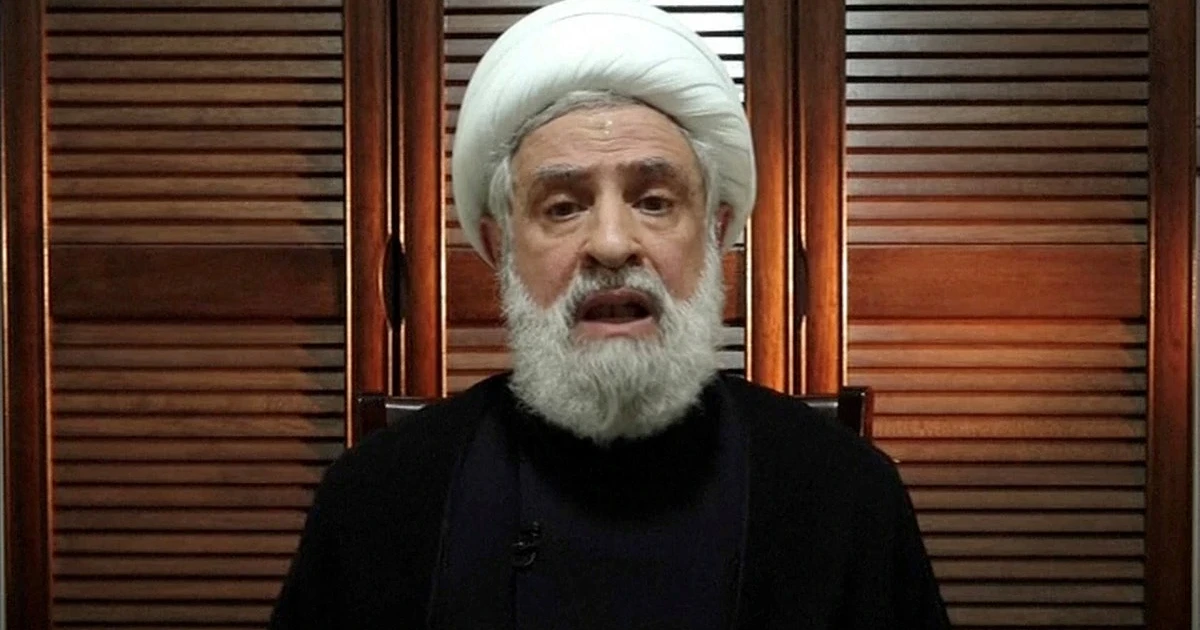
Hezbollah leader Naim Qassem rejected a U.S.-brokered framework on June 27 that would require the group to disarm, a condition that sits at the center of the deal and makes enforcement highly uncertain. The agreement was signed in Washington, D.C., on June 26 after five rounds of talks, but Hezbollah was not a party to it.
The framework, backed by the U.S. State Department, says Israel and Lebanon share a goal of lasting peace and security. U.S. Secretary of State Marco Rubio said it sets a process to restore Lebanon’s sovereignty, disarm Hezbollah and dismantle its infrastructure, while creating a trilateral Military Coordination Group for Lebanon with U.S. facilitation.
That design immediately runs into the problem the deal is meant to solve: Hezbollah has repeatedly rejected any arrangement that ties an Israeli withdrawal to its own disarmament. Qassem called the agreement a surrender, “null and void,” and a grave blunder, and said Israel should withdraw first while Hezbollah’s weapons would remain. In other words, the core bargain depends on the one actor most affected by it accepting terms it has already refused.
The proposal also relies on institutions that do not yet have a clear path to impose it. Under the framework, pilot areas would be handed to the Lebanese army, which would take exclusive control of two areas currently occupied by Israel. That would place enforcement on the Lebanese Armed Forces and the new coordination mechanism, even though Hezbollah still holds armed capacity inside Lebanon and the group’s fighters are entrenched in the country’s political and security landscape.
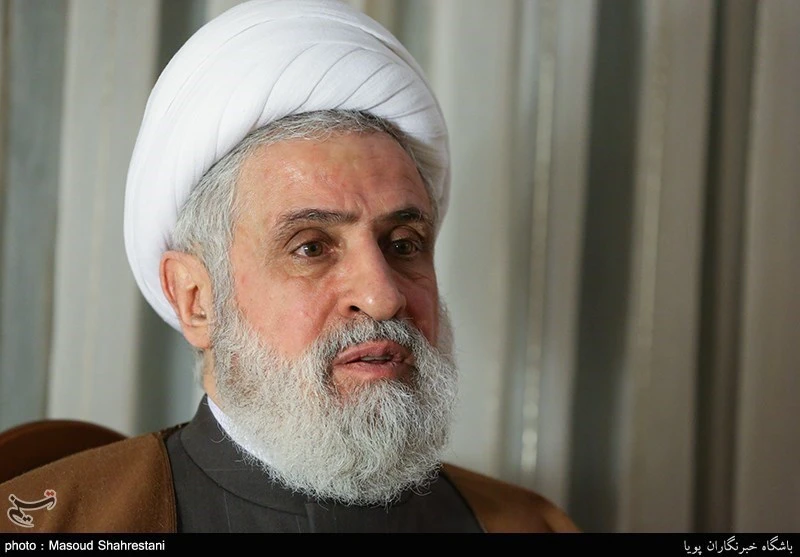
The timing underscored the fragility of the arrangement. The signing came amid ongoing fighting and Israeli strikes in southern Lebanon, while Hezbollah supporters protested in Beirut. Israeli Prime Minister Benjamin Netanyahu hailed the agreement as a blow to Iran and Hezbollah, a sign that Jerusalem sees the deal less as a final settlement than as a pressure point in a wider confrontation.
Earlier U.S.-brokered ceasefire language in June also depended on Hezbollah stopping fire and withdrawing fighters from the South Litani Sector, showing that disarmament has already been the central obstacle in negotiations. With Hezbollah outside the deal and Qassem openly rejecting its premise, the Washington framework now depends on a sequence of withdrawals, handovers and disarmament steps that no one involved appears able to compel.
Sources
- [1]cbsnews.com
- [2]state.gov
- [3]usnews.com
- [4]al-monitor.com
- [5]apnews.com
- [6]reuters.com