World
Hezbollah tensions could derail emerging U.S.-Iran deal on Lebanon front
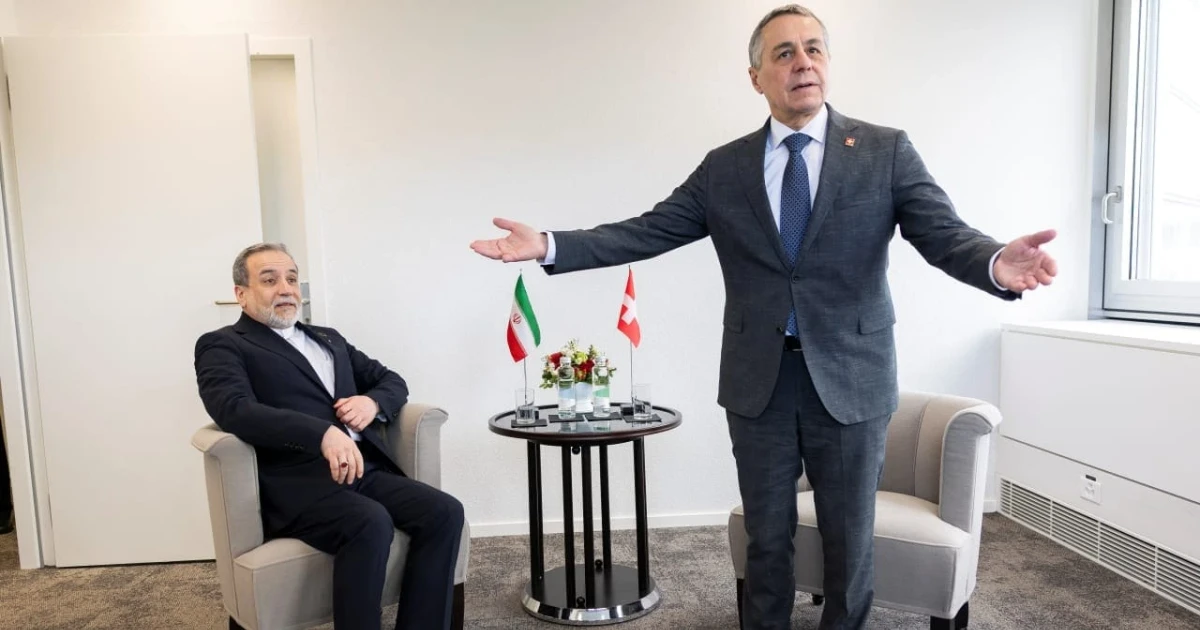
The most immediate test of the U.S.-Iran memorandum is not the nuclear file but Lebanon. A signing ceremony is expected Friday in Switzerland to formalize the deal and open a second phase of direct talks on Iran’s nuclear program and other contentious issues, but Abbas Araghchi has said any Israeli forces left in southern Lebanon, or any Israeli strikes there, would violate the agreement.
That position collides head-on with Israel’s. Israeli officials have said their troops will remain in Lebanon and that President Donald Trump’s agreement does not bind Israel. Israel’s National Security Minister Itamar Ben Gvir said Trump’s agreement does not bind Israel, while Defense Minister Israel Katz said Israeli forces would not withdraw from security zones in Lebanon, Syria and Gaza. U.S. Ambassador to Israel Mike Huckabee said Iran and Hezbollah are not linked in the deal and that Israel does not need Iran’s permission to defend itself. Iranian President Masoud Pezeshkian has called the current text only an important step, saying no final agreement has been reached.
The Lebanon front has become the clearest test of whether any broader U.S.-Iran understanding can survive contact with the region’s other wars. Reporting on the framework says it includes a provision for a “permanent and immediate cessation of war on all fronts, including Lebanon,” a clause that has provoked a furious Israeli response. Lebanese President Joseph Aoun has said he hopes the deal can bring a definitive end to the war between Israel and Hezbollah, but the sides remain far apart on whether Israeli forces should leave Lebanese territory and whether the truce language applies to Israel at all.
The military backdrop has only sharpened the risk. Israel and Hezbollah have kept trading strikes as the deal advanced, and Trump publicly warned the parties not to “blow it.” After Hezbollah launched projectiles toward northern Israel, Israeli strikes hit Hezbollah targets in Beirut’s southern suburbs, and the Israel Defense Forces said it struck a Hezbollah command center in Beirut. At least 13 people were killed in Israeli airstrikes in southern Lebanon on June 10.
The toll inside Lebanon has climbed as the diplomacy has moved forward. Lebanon’s Ministry of Health said Israeli attacks since March 2 had killed at least 3,696 people and injured 11,413. A later tally put the number at 3,783 dead and 11,699 wounded by June 14, including hundreds of women, children and health workers. That violence is why analysts say the Lebanon question can do more than complicate the talks: it can collapse them, or force Washington into a sharper clash with Israel over the limits of any deal with Tehran.
Sources
- [1]cbsnews.com
- [2]cnbc.com
- [3]middleeasteye.net
- [4]time.com
- [5]apnews.com