Health
HHS unveils $700 million push on mental health, addiction and homelessness
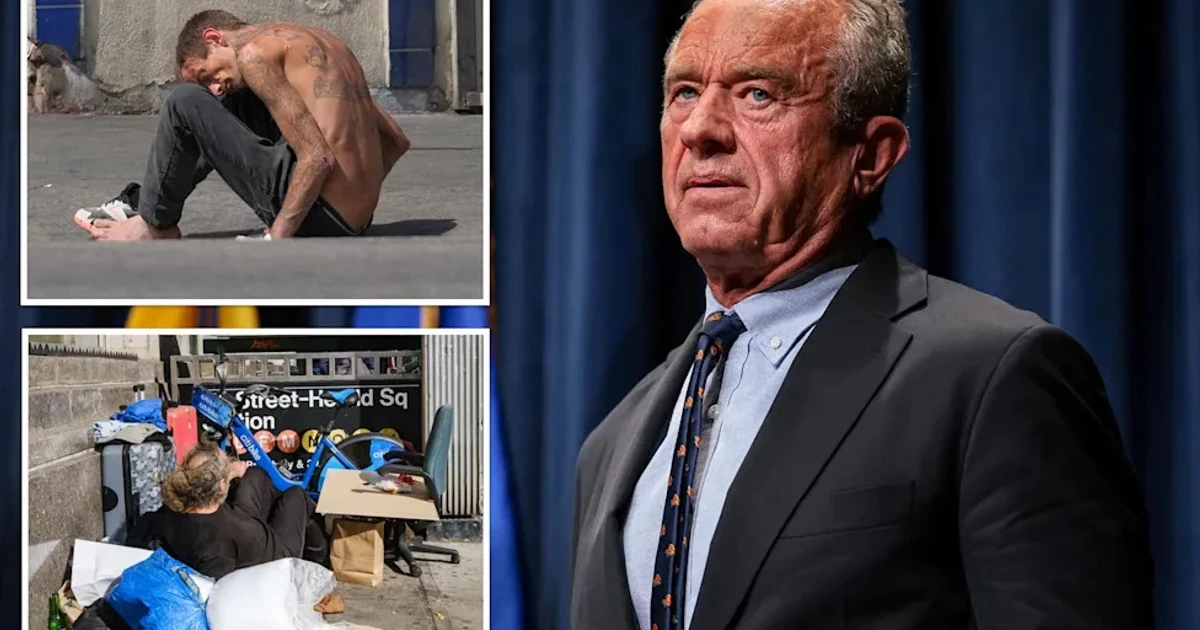
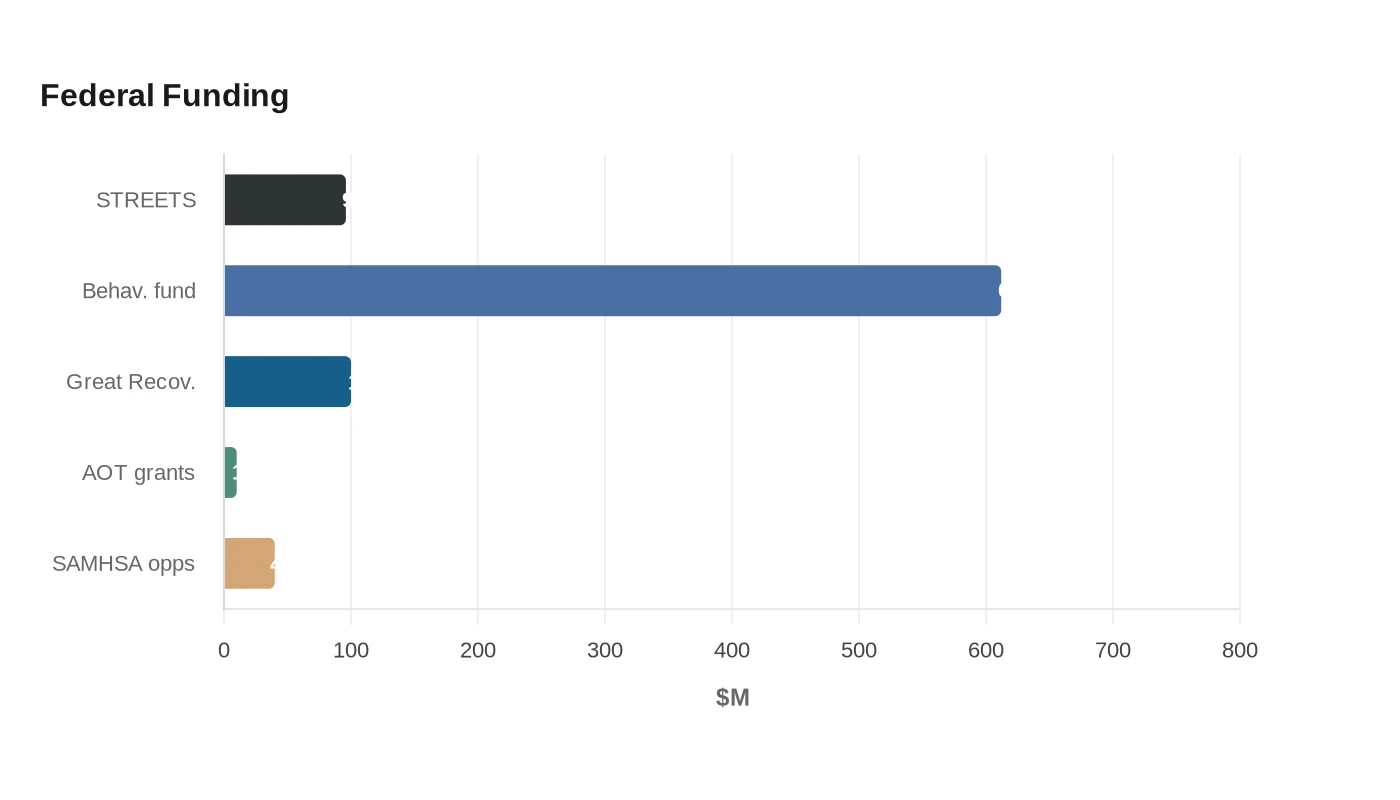
HHS has opened a new federal spending lane that puts mental illness, addiction and homelessness into one budget package, with the first dollars likely to flow through a tightly targeted, eight-community grant competition. The department said its June 17 announcement makes more than $700 million available overall, including a $96 million STREETS program and another $612 million in behavioral health funding opportunities.
The STREETS program, short for Safety Through Recovery, Engagement, and Evidence-based Treatment and Support, is the clearest sign of how the administration wants the money used. HHS said the grants are meant to build coordinated street-based responses for people experiencing homelessness, serious mental illness, substance use disorder or co-occurring disorders, with local government, health and housing providers, law enforcement and courts working from the same playbook instead of separate ones. Eight communities will be eligible for up to $3 million a year for four years, a structure that points to longer-term local systems rather than short pilot projects.
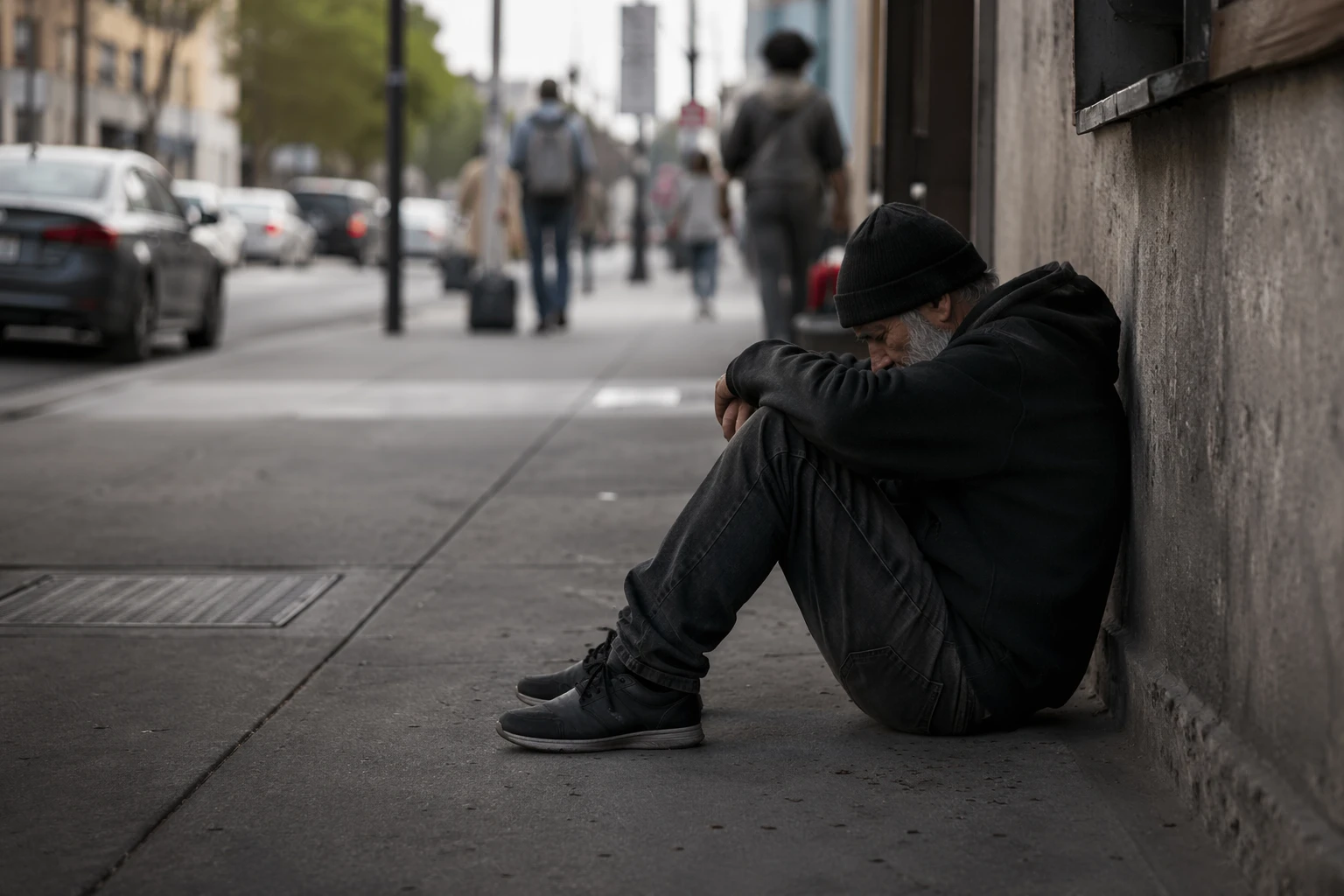
The announcement was made after Robert F. Kennedy Jr. visited the Easterseals MORC Certified Community Behavioral Health Clinic in Clinton Township, Michigan, and HHS tied the package to President Trump’s Great American Recovery Initiative. Kennedy said the investments were meant to move people from the streets into treatment and recovery and to make communities safer. The federal emphasis is on rapid engagement, crisis response, recovery services and stronger links between behavioral health and housing support, which suggests that communities with existing outreach teams and community behavioral health clinics may be best positioned to move first.
HHS is also using the release to signal that homelessness policy and behavioral health policy are now being written together. SAMHSA says stable housing is a critical component of recovery, and it points to Office of National Drug Control Policy estimates that about 30% of people experiencing chronic homelessness have a serious mental illness while roughly two-thirds have a primary substance use disorder or other chronic health condition. That framing matters because it pushes the federal response toward treatment, outreach and housing navigation rather than treating homelessness as a standalone problem.
The department’s other federal programs are already in motion. HHS announced a separate $100 million Great American Recovery investment on Feb. 2 that included STREETS and a $10 million Assisted Outpatient Treatment grant program. On June 11, SAMHSA also announced $40 million in funding opportunities across eight grant programs focused on addiction prevention, the behavioral health workforce and suicide prevention.
The long-running PATH program remains part of that federal toolkit, with outreach that reached 97,414 people in 2022 and enrolled 55,542 PATH-eligible clients. The question now is whether HHS has paired enough staffing, treatment capacity and housing connections to turn a large funding slate into measurable gains, or whether the grants will stretch thin across too many pressure points at once.
Sources
- [1]hhs.gov
- [2]samhsa.gov
- [3]pathreports.samhsa.gov