Business
High Court rejects most diesel emissions cheating claims against carmakers
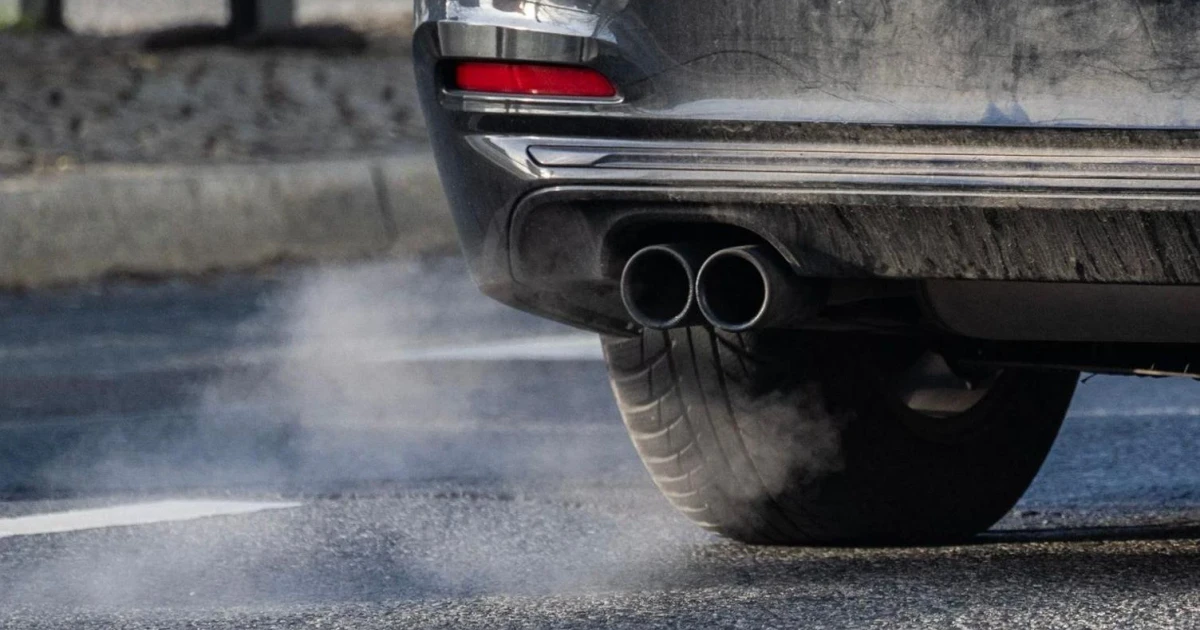
A High Court judge on Friday cleared most of the diesel-emissions cheating allegations brought against major carmakers after ruling that a defeat device must detect regulatory testing conditions and make emissions controls work more effectively in the test than on the road.
The judgment in the Pan-NOx diesel emissions group litigation covered claims by about 1.6 million claimants against Mercedes-Benz Group AG, Ford Motor Company, Peugeot-Citroën and Renault-Nissan. The first substantive trial ran from 6 October to 18 December 2025, with closing submissions between 2 and 20 March 2026, before Cockerill LJ handed down the key ruling on 10 July 2026.
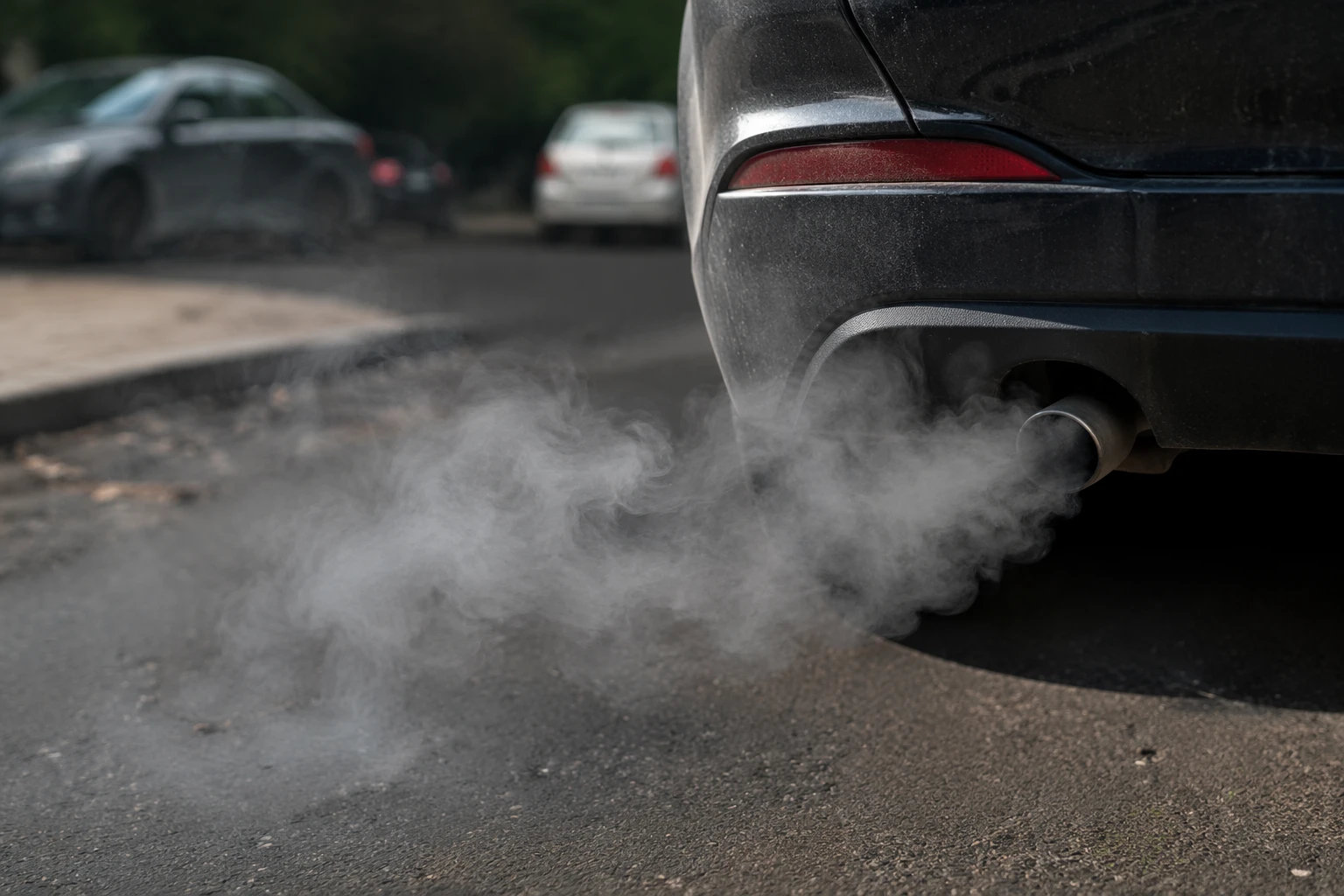
The case turned on alleged “prohibited defeat devices” in diesel vehicles, software or systems that reduce the effectiveness of emissions controls outside regulatory testing and raise nitrogen oxide, or NOx, emissions during normal driving. The trial examined sample vehicles built between 2012 and 2017, including Euro 5 and Euro 6 models, and the court rejected the claimants’ broader reading of when a system should count as a defeat device.
Applying the court’s test, the large majority of allegations failed. In Mercedes’s sample vehicles, nine of ten headings of allegation failed completely, and three of the four sample vehicles were found not to contain, and never to have contained, any prohibited defeat device. The court did find one Mercedes functionality to be a defeat device, but it had already been removed through freely available software updates issued by the company.

The ruling also settled the meaning of “conditions which may reasonably be expected in normal vehicle operation and use”, rejecting the claimants’ position on that point as well. The judgment does not decide compensation.
Sources
- [1]bbc.co.uk
- [2]brickcourt.co.uk
- [3]judiciary.uk