World
High Court restores harsher sentence in Emma Lovell murder case
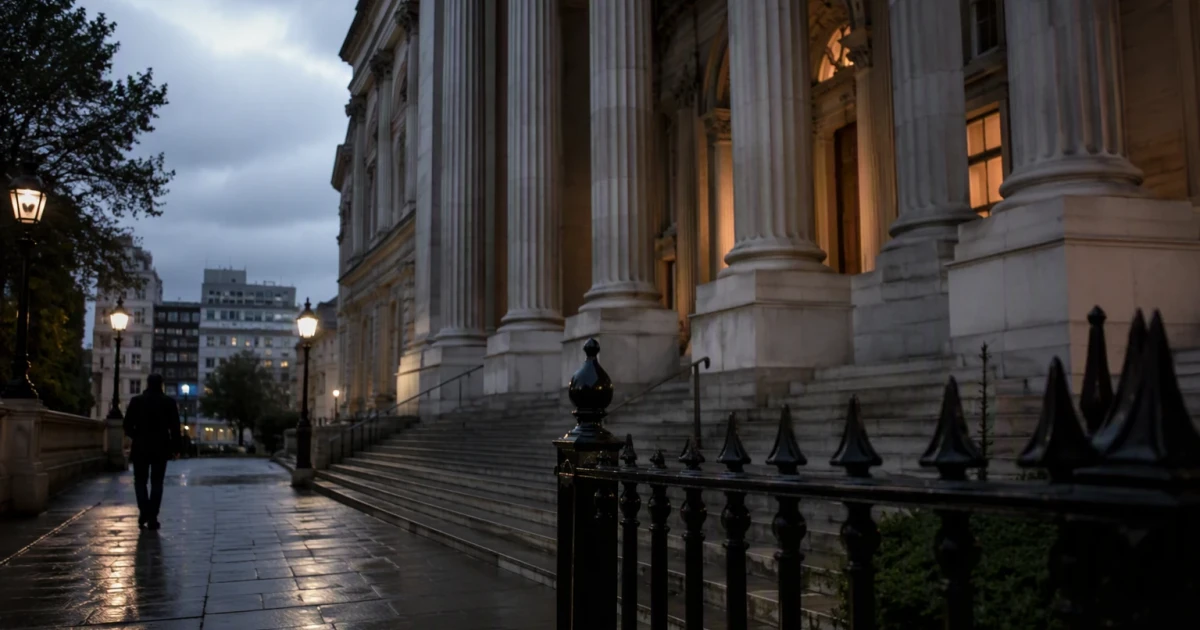
The High Court has restored the original 14-year jail term for the teenager who killed Emma Lovell, overturning the Queensland Court of Appeal’s decision to reduce the time he must spend in custody. The ruling, handed down on 5 August 2026, puts back the harsher non-parole setting that had been imposed after the murder.
Emma Lovell was stabbed after confronting two intruders at her family’s North Lakes home in Brisbane’s north on Boxing Day in 2022. The British woman had emigrated from Suffolk to Australia in 2011 with her family. Her killer was 17 at the time of the offence and cannot be named for legal reasons.
At the original sentencing, a judge described the murder as “particularly heinous” and imposed a 14-year sentence with a requirement that the offender serve 70% before becoming eligible for release. In August 2025, the Queensland Court of Appeal cut that minimum period to 60%, reducing the non-parole term by about 18 months even though the overall sentence itself was left unchanged.
Queensland’s Attorney-General took the matter to the High Court, seeking to restore the original sentence and reassert the sentencing rules applied by the trial judge. In April 2026, Lee Lovell attended the hearing in Canberra and said he hoped the case could “set a precedent”. The case had already become one of Queensland’s most high-profile youth-crime murder cases, with the family’s loss and the offender’s age pulling the case into the centre of the state’s debate over punishment, rehabilitation and consistency in juvenile sentencing.
The outcome lands in a legal and political climate shaped by anger over violent youth crime and demands from victims’ families for tougher penalties in notorious cases. It also reinforces the principle that appellate courts can step in when a reduced sentence is seen as departing too far from established sentencing practice, even when the lower penalty may feel more politically or emotionally acceptable after a killing that shocked a state and tore apart a family.
Sources
- [1]bbc.co.uk
- [2]aapnews.aap.com.au
- [3]watoday.com.au
- [4]abc.net.au
- [5]news.com.au
- [6]theguardian.com
- [7]bbc.com
- [8]brisbanetimes.com.au
- [9]youtube.com