Technology
High-intensity AI adopters added jobs, including more entry-level roles
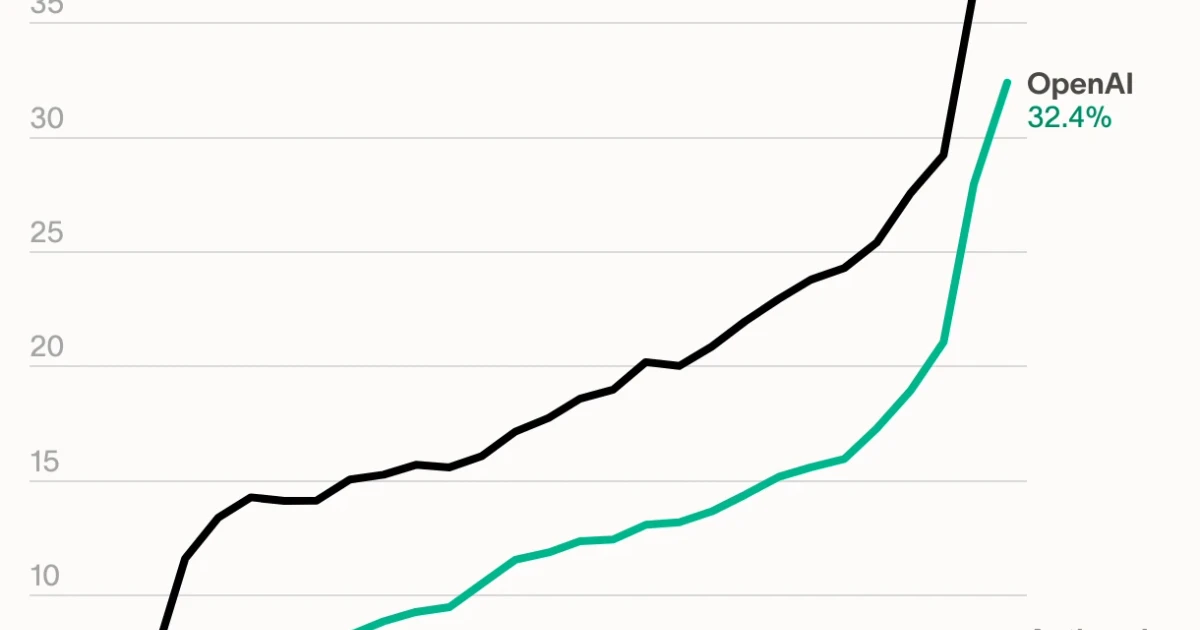
Firms classified as high-intensity AI adopters increased headcount 10.2% after spending an average $30 per employee per month on AI during their first three months. In that same group, entry-level headcount rose 12%. The analysis covered nearly 22,000 companies and drew on enterprise AI-spend and workforce records.
The gains were not confined to one job family. Headcount rose across engineering, sales, administration, customer service, finance, marketing and scientist roles, with the strongest growth in the information sector, including software, internet, media and tech-adjacent firms. Ramp’s AI Index uses transaction data from more than 70,000 American businesses and billions of dollars in corporate spend.
The data skew heavily toward fast-growing, tech-forward knowledge-work firms, making it hard to separate AI’s effect from pre-existing expansion. In software companies, coding, debugging, internal tools, documentation and product support can be produced faster and more cheaply.

Revelio Labs data show entry-level jobs in the United States fell 35% in the 18 months ending Aug. 4, 2025, equal to more than 100,000 fewer monthly postings than in January 2023. A 10 percentage point increase in AI exposure was associated with an 11% drop in demand for entry-level roles, while demand for non-entry-level roles rose 7%. Four of the five industries that usually hire the most graduates had already seen declines in entry-level demand.
Through May 2026, companies had announced close to 90,000 job cuts tied to AI, even as some AI-heavy employers expanded payrolls. Goldman Sachs estimates roughly 16,000 net jobs erased per month over the past year.
Sources
- [1]techcrunch.com
- [2]ramp.com
- [3]reveliolabs.com
- [4]weforum.org