Technology
Highest-resolution images reveal hidden whirlpools on the sun's surface
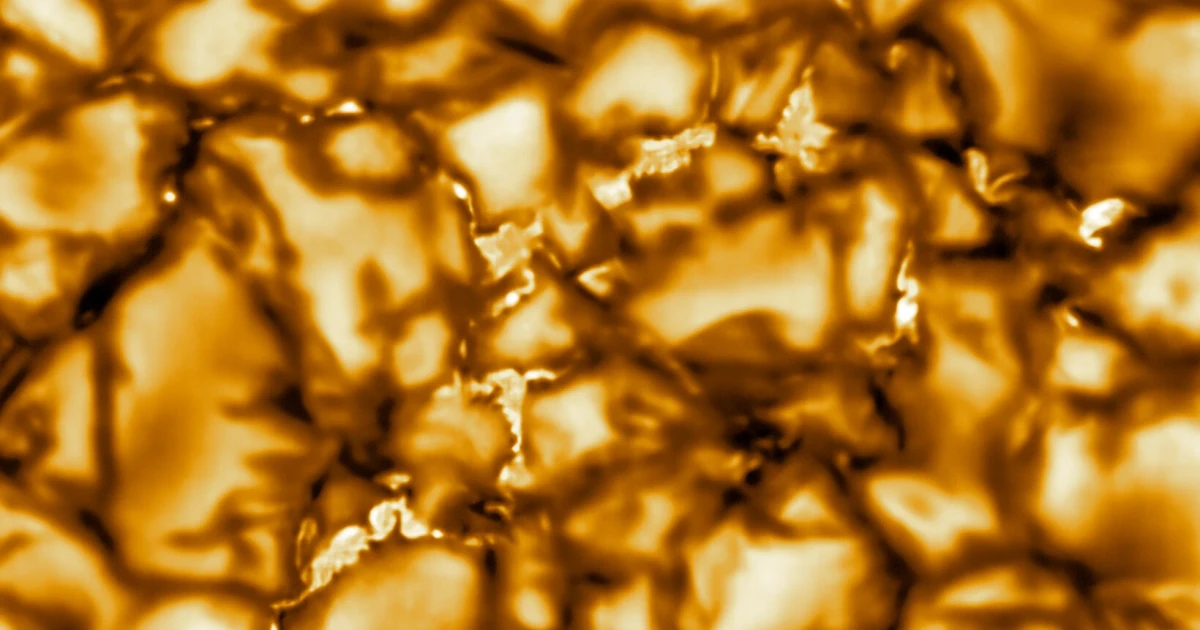
The NSF Daniel K. Inouye Solar Telescope has captured the sharpest views yet of the sun’s surface, exposing tiny 30-kilometer whirlpools that were invisible before and giving scientists a closer look at the forces that drive space weather. Nature published the study, Ubiquitous Kelvin-Helmholtz instabilities driving plasma mixing on the Sun, on Aug. 5.
The observations were taken at 416 nanometers, a visible-light wavelength that let researchers resolve fine-scale motion in the sun’s photosphere. The images revealed Kelvin-Helmholtz instabilities, the same kind of rolling turbulence seen when layers of fluid move at different speeds, along with plasma mixing on the solar surface. The detail is striking enough that multiple coverage streams have described it as the highest-resolution view of the sun’s surface ever captured.
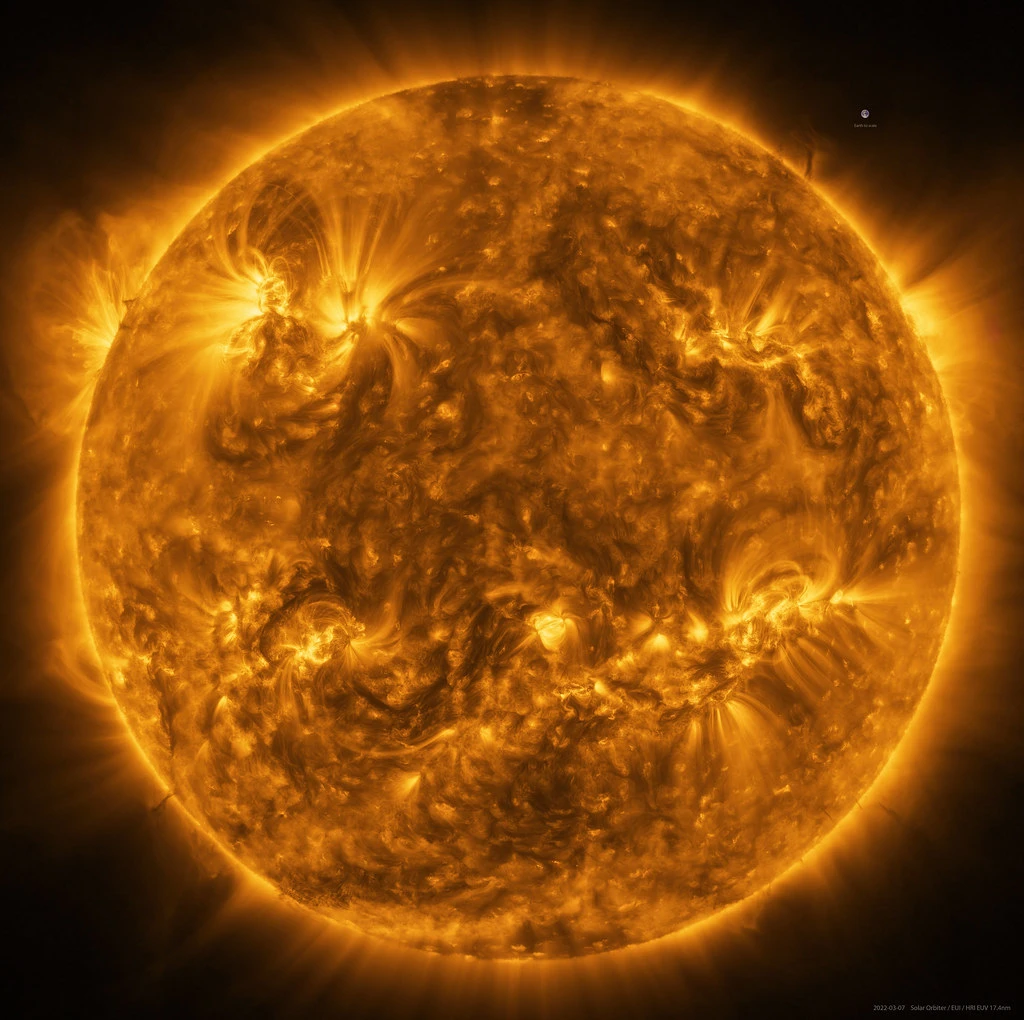
That matters well beyond astronomy. Solar turbulence helps move energy through the sun’s atmosphere, where it can feed eruptions and other events that shape space weather. Better understanding that process can improve forecasts for solar storms that threaten satellites, overload power grids, disrupt aviation routes, and interfere with communications infrastructure. In that sense, the images are not just a sharper portrait of the sun; they are a new tool for tracing how instability becomes risk.
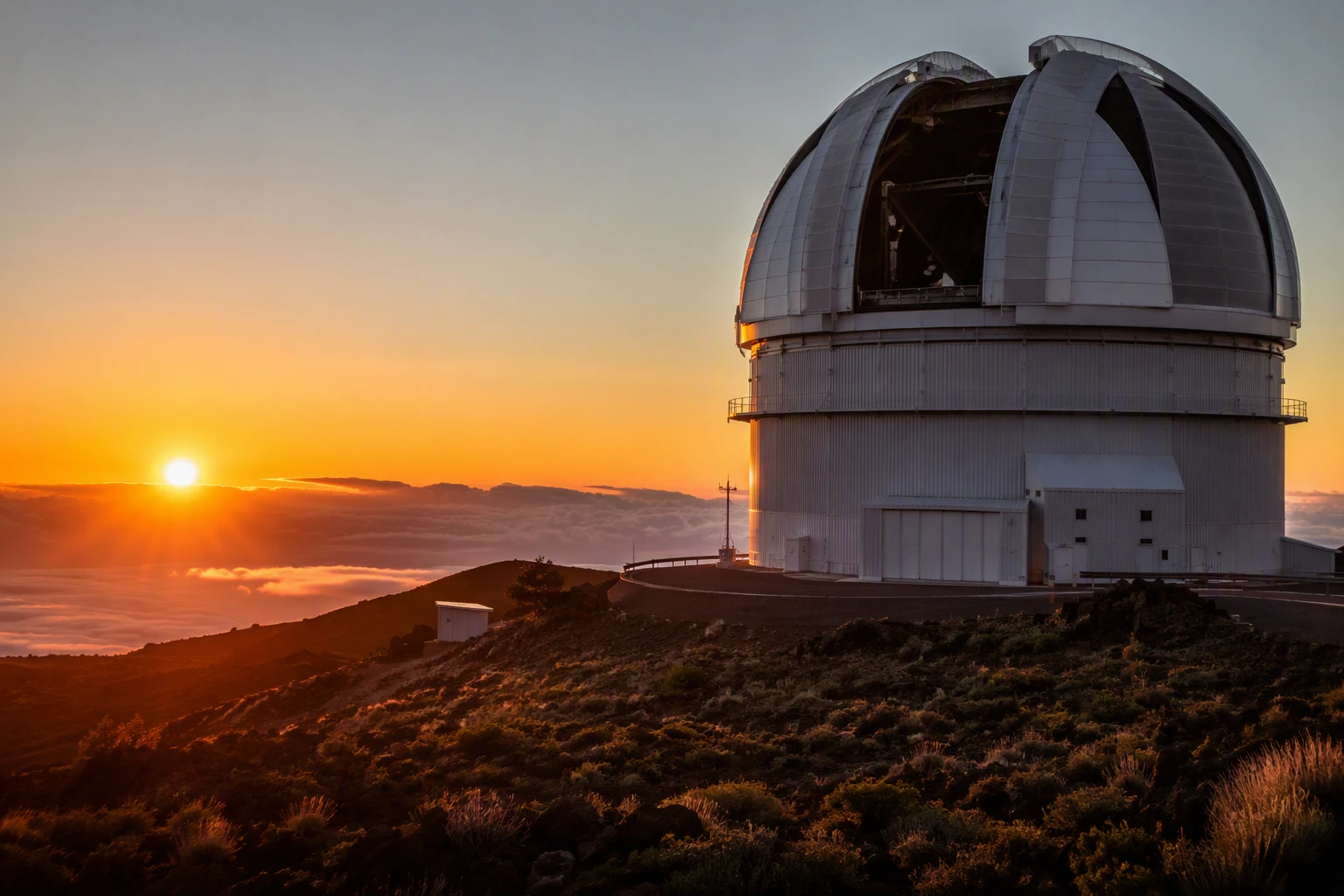
The telescope behind the breakthrough sits atop Haleakalā on Maui, Hawaii, and is operated by the National Solar Observatory. NSF budget materials had described DKIST as the world’s most powerful solar observatory, with a not-to-exceed total project cost of $344.13 million and construction planned to finish no later than June 2020. The observatory has already delivered other record-setting solar images, including views of solar flare coronal loops, and the new results extend that run of firsts by exposing a hidden layer of motion on the sun itself.
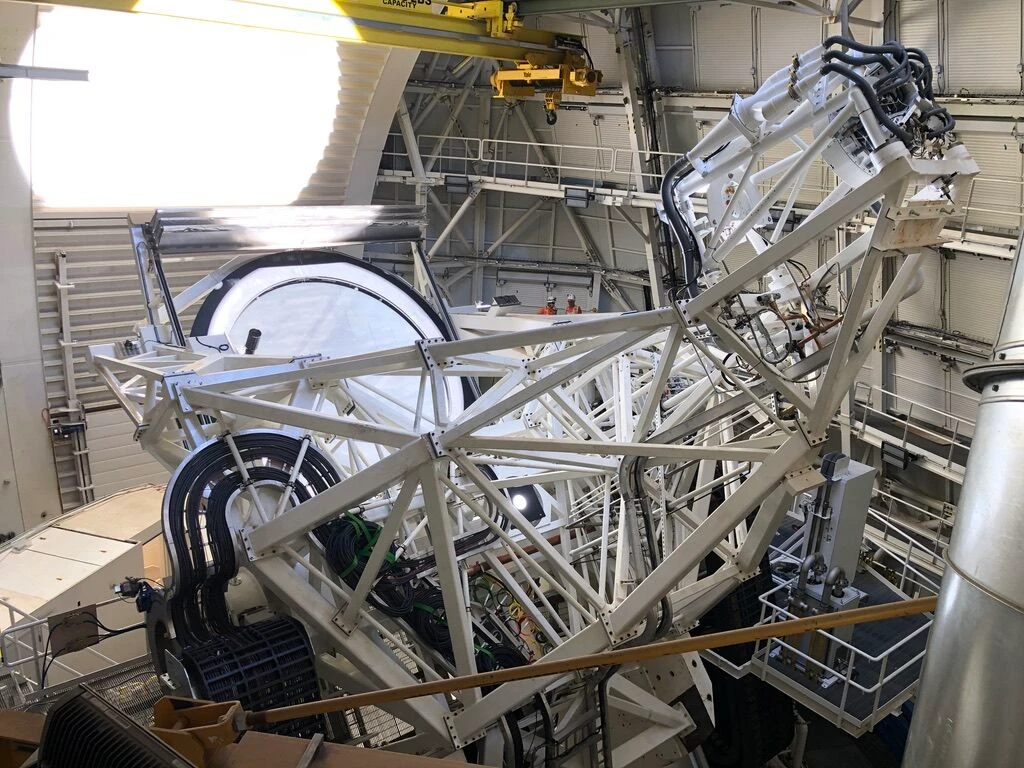
By making these motions visible, DKIST is helping solar physicists test theories about how plasma mixes, how heat travels, and why the outer layers of the sun behave as violently as they do. Those answers feed directly into forecasting models that governments, airlines, grid operators and satellite owners depend on when the sun turns restless.
Sources
- [1]news.google.com
- [2]nature.com
- [3]nso.edu
- [4]sciencealert.com
- [5]mpg.de
- [6]nsf.gov
- [7]nsf-gov-resources.nsf.gov
- [8]aura-astronomy.org