Technology
Highest-resolution Sun image reveals swirling plasma instability
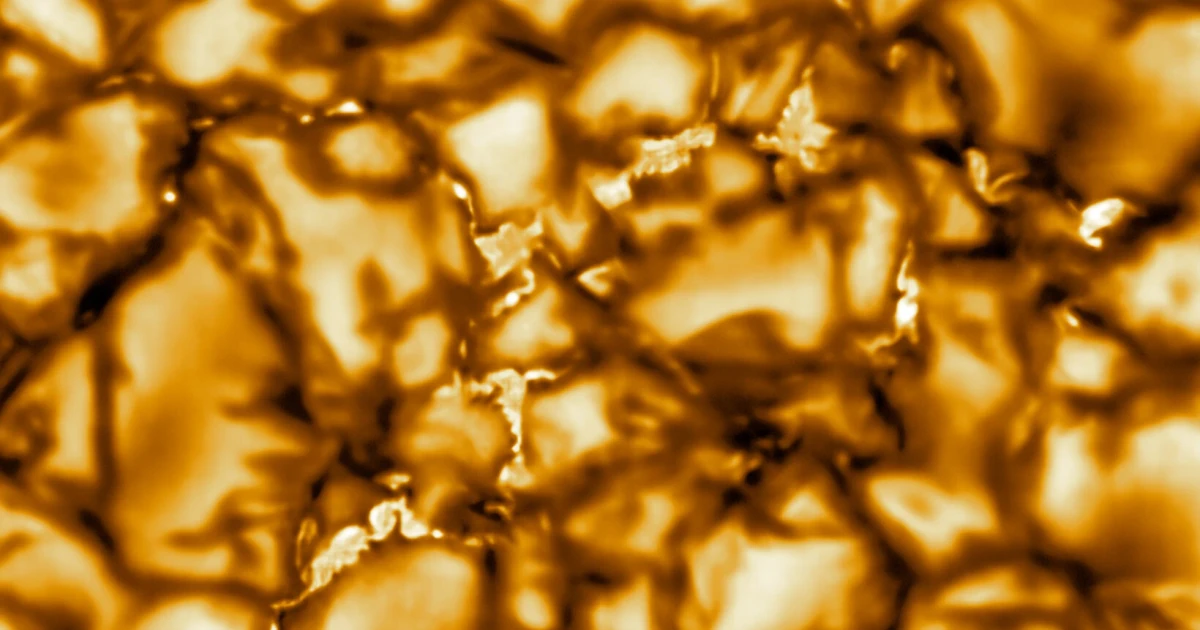
The NSF Daniel K. Inouye Solar Telescope in Hawaii has produced the sharpest images yet of the Sun’s visible surface, exposing tiny vortex-like structures along the edges of solar granules. The observations, taken at 416 nm, are tied to Kelvin-Helmholtz instability, a fluid effect that can stir plasma and move magnetic energy across the solar surface.
Nature published the study, Ubiquitous Kelvin-Helmholtz instabilities driving plasma mixing on the Sun, on Aug. 5, 2026. The images show deformed magnetic-element boundaries and ultra-fine striped features that fit the signature of KHI, revealing structure in the photosphere that had been hidden from view until the Inouye telescope pushed solar imaging to unprecedented resolution.
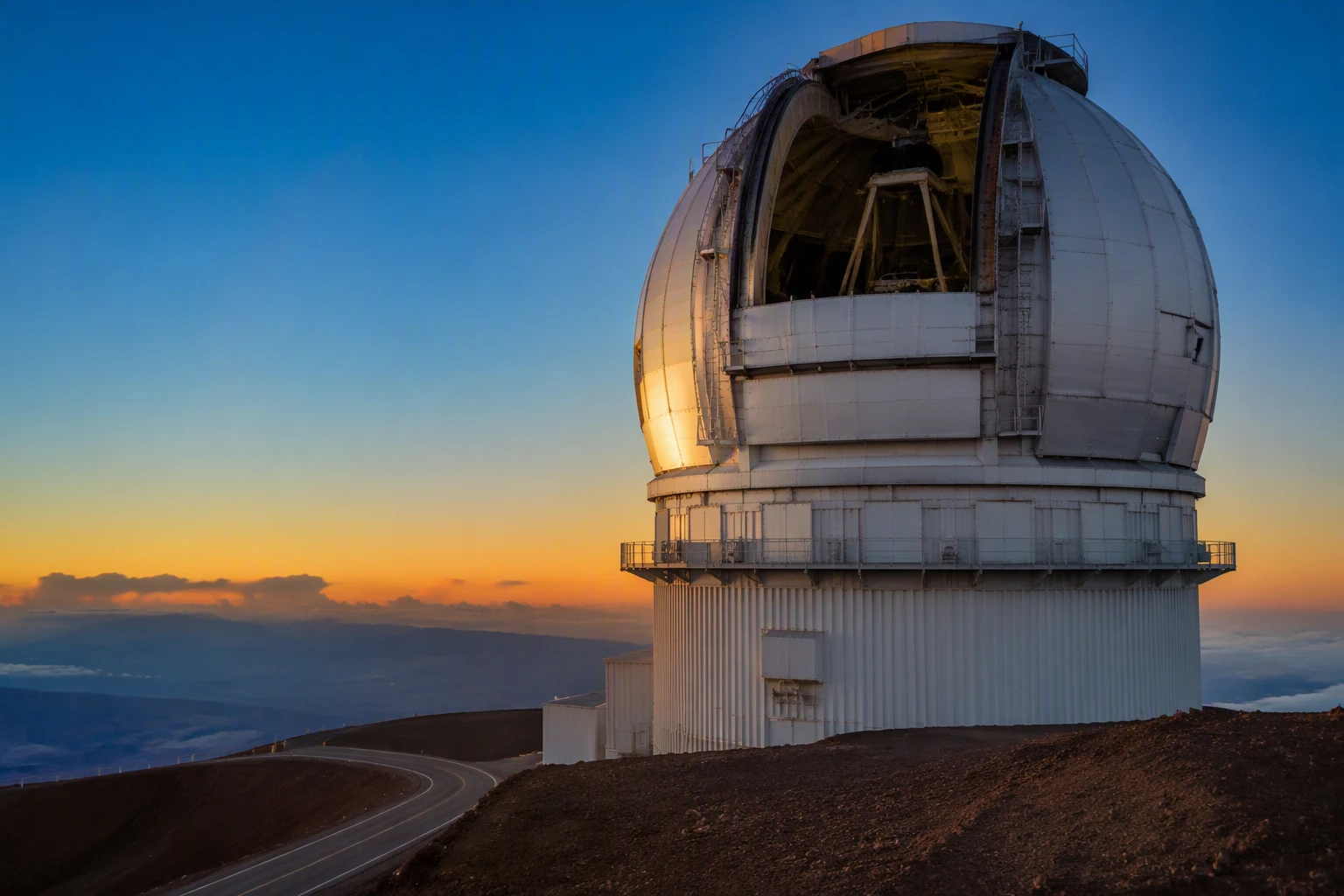
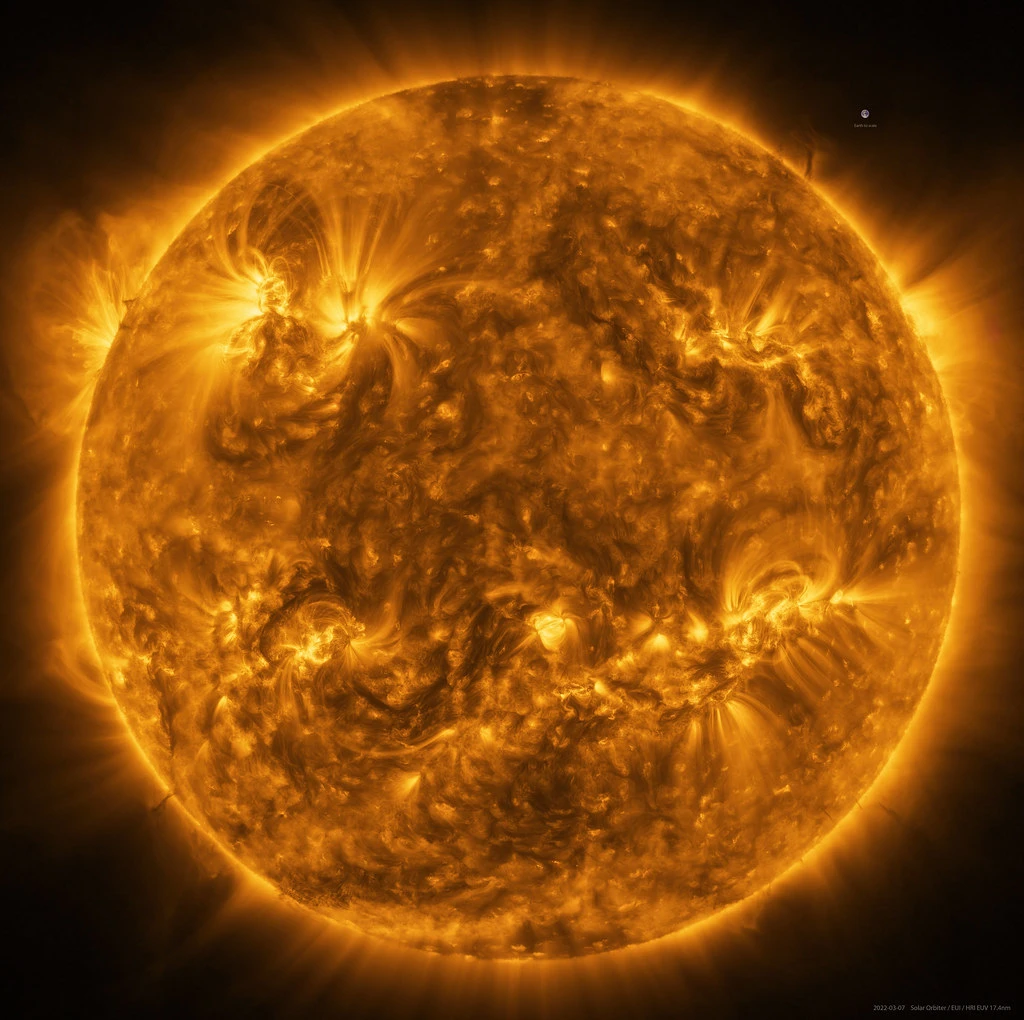
That matters because the same instability may help explain how the Sun mixes plasma and channels magnetic energy into the outer atmosphere, where temperatures rise far beyond what simple models predict. Scientists also use the behavior of those magnetic edges to refine models of solar eruptions, the kinds of events that can disrupt satellites, scramble communications and raise the risk of geomagnetic trouble for power grids on Earth.
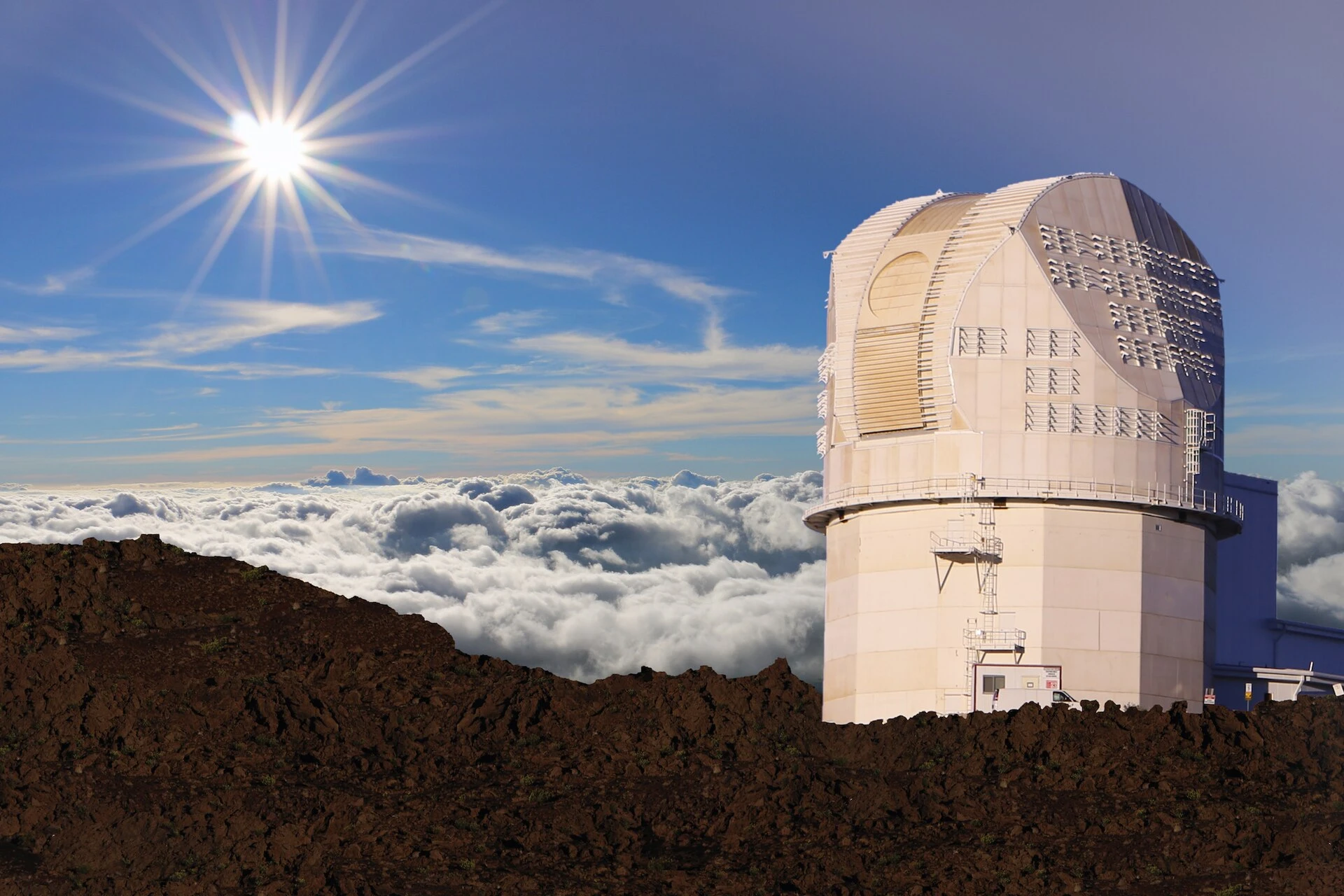
The National Solar Observatory called the result a major discovery of a hidden solar process, and the telescope’s Hawaiian location gave researchers the vantage point needed to see the fine-scale motion. The Inouye instrument, the world’s most powerful solar telescope, captured detail small enough to expose features only a few tens of kilometers across, including the warped boundaries where adjacent plasma flows appear to shear past each other.
The finding also builds on earlier solar work. NASA documented Kelvin-Helmholtz instability in the solar corona during an eruption on April 8, 2010, and earlier papers had linked the same process to nova explosions and to a solar blowout jet. This new study moves the phenomenon onto the Sun’s visible surface itself, showing that the instability is not just a coronal curiosity but part of the finer machinery shaping the star’s lower atmosphere.
Sources
- [1]news.google.com
- [2]nature.com
- [3]nso.edu
- [4]sciencealert.com
- [5]cnn.com
- [6]phys.org
- [7]ntrs.nasa.gov
- [8]dongascience.com
- [9]apnews.com