Politics
Hilton and Becerra advance in California governor race
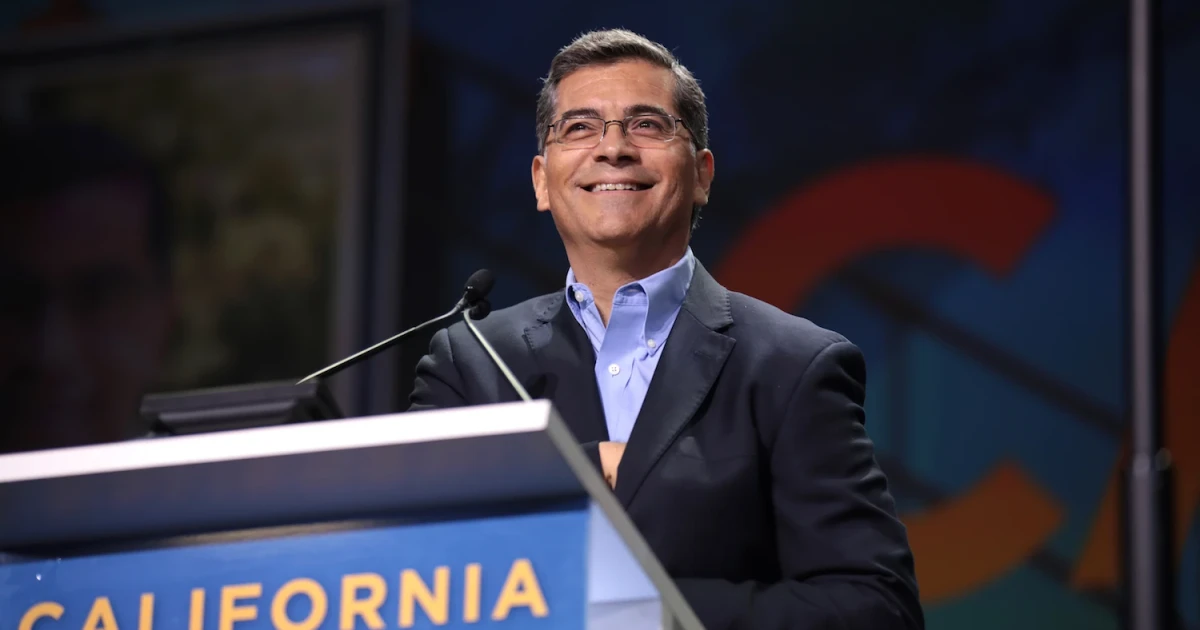
Steve Hilton did what few Republicans have managed in modern California politics: he pushed his way into the governor’s race in a state where Democrats usually set the terms. The Trump-backed former Fox News host and former adviser to British Prime Minister David Cameron finished second in the June 2 all-party primary, earning a place in the November 3 general election against Xavier Becerra.
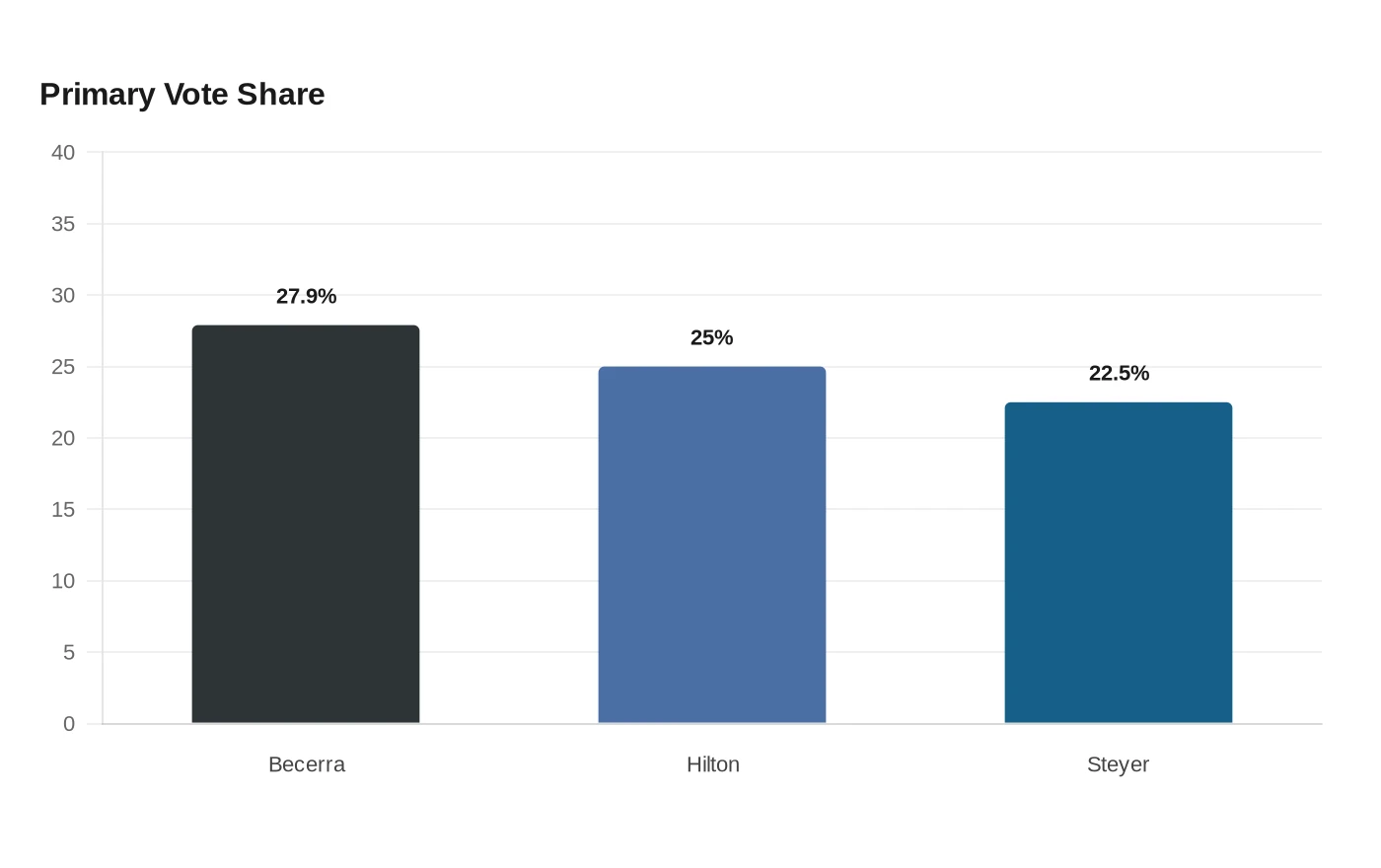
Unofficial statewide results from the California Secretary of State showed Becerra with 2,390,700 votes, or 27.9 percent, and Hilton with 2,137,910, or 25.0 percent. Tom Steyer, the billionaire climate activist who spent heavily on the race, placed third with 1,928,318 votes, or 22.5 percent. With all 19,788 precincts partially reporting as of June 9, the outcome remained unofficial until counties finished canvassing by July 3 and the state certifies results on July 10.

The result turned California’s governor’s primary into a stress test of the state’s political alignment. The race drew roughly 60 candidates and was framed as a contest between experience and change as voters looked for a successor to term-limited Gov. Gavin Newsom. Becerra, who served as California attorney general and later as health and human services secretary under President Biden, ran as the most seasoned Democrat in a heavily Democratic state. Hilton argued that California had been trapped by more than 15 years of Democratic dominance and promised to tackle housing, homelessness, education, the budget, and the state’s relationship with the Trump administration.
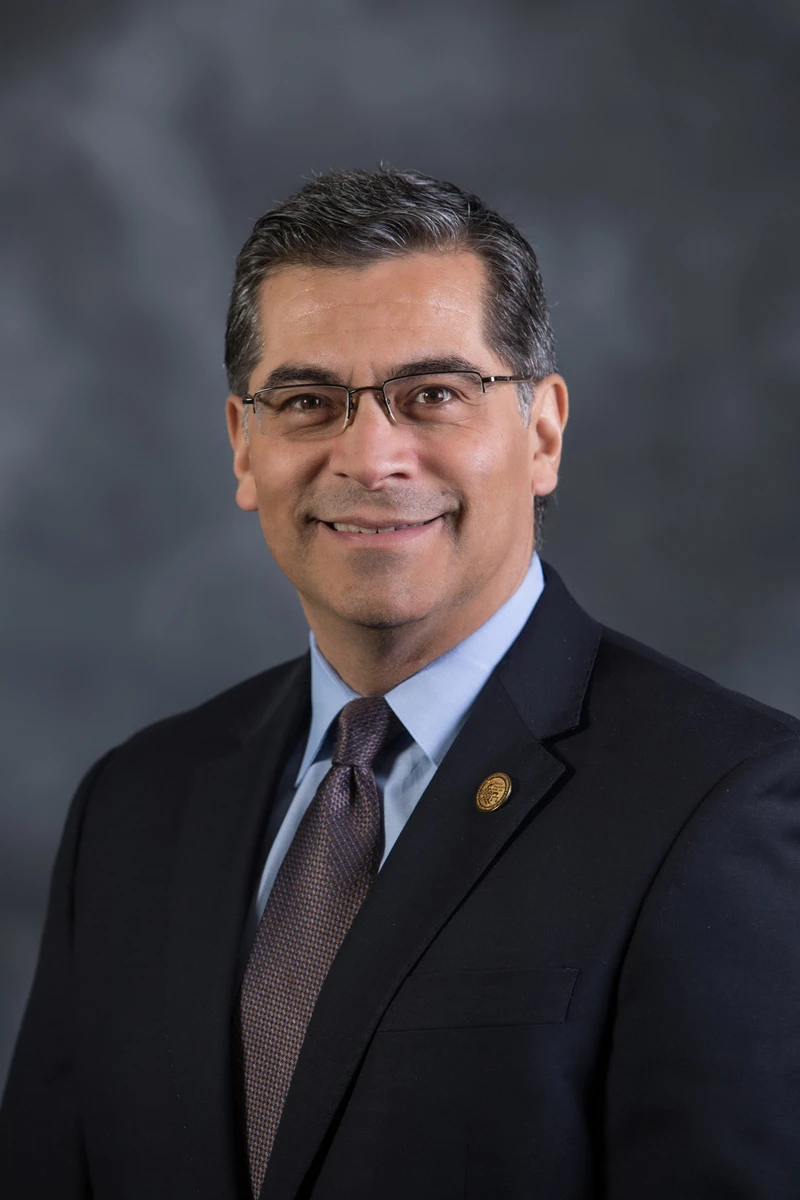
That message was enough to exploit a crowded field and turn the primary into a warning sign for Democrats, not because California suddenly looks ripe for a Republican takeover, but because coalition fractures can still create openings in a top-two system. A Republican advancing out of a deep-blue state is unusual; it suggests that while Democrats remain favored, a fragmented primary can leave the party vulnerable if its voters divide between establishment and activist lanes.
Steyer’s third-place finish underscored that split. He endorsed Becerra after falling short, and his concession statement reflected the hard-edged politics of a race in which climate, labor, utilities and the state’s economic direction all collided. POLITICO said the result positions Becerra to become California’s first Latino governor in modern history if he wins in November, a milestone that would resonate far beyond Sacramento. For Democrats, the immediate relief is that the November ballot will most likely be a party-versus-party fight. The deeper lesson is that even in California, alignment is not guaranteed when turnout, ideology and name recognition pull in different directions.
Sources
- [1]nytimes.com
- [2]dp.electionresults.sos.ca.gov
- [3]apnews.com
- [4]politico.com
- [5]kqed.org