Lifestyle
Hindu devotees honor goddesses in India and Britain through vibrant rituals
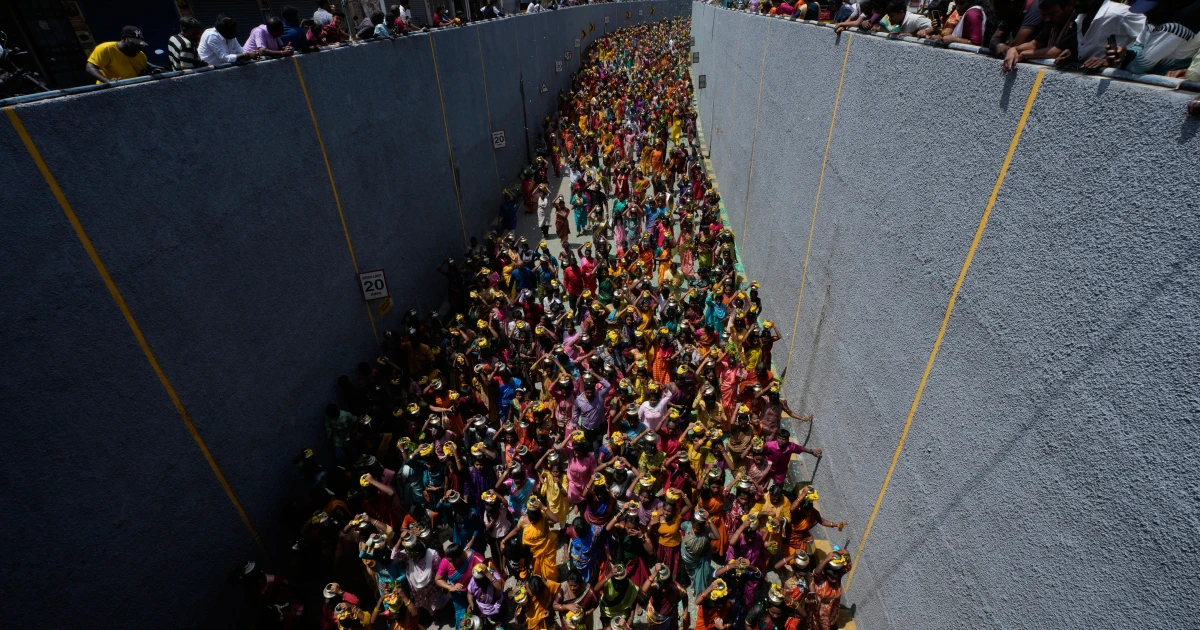
Associated Press photographs of Hindu devotees honoring goddesses in India and Britain turn one ritual tradition into a cross-border story of migration, memory and public faith. The gallery moves between Chennai and Britain to show the same devotion in different settings, from processions and offerings to the quieter work of keeping a practice alive across generations.
Rituals that define the frame
One AP caption in the gallery places a Chennai image on Sunday, Aug. 9, 2026, during the "Aadi" festival, a holy month for Tamils marked by prayers and offerings to Hindu goddesses. That single scene sets the tone for the wider collection, which captures devotion as something physical and communal, not abstract.
The images also show the intensity of the ritual body. In the gallery, one devotee reacts in pain with cheeks pierced by a steel rod as part of the observance, while another appears with backs pierced by hooks as he helps pull a chariot of a goddess. Elsewhere, devotees carry milk pots in procession, a gesture that links movement, offering and collective worship in a single public act.
Those details matter because they show how goddess worship is enacted in real time. Flowers, incense, music and elaborate decoration are part of the atmosphere around such events, but the photographs focus on the gestures that make the faith visible: carrying, piercing, walking, bowing and offering.
India and Britain in the same visual language
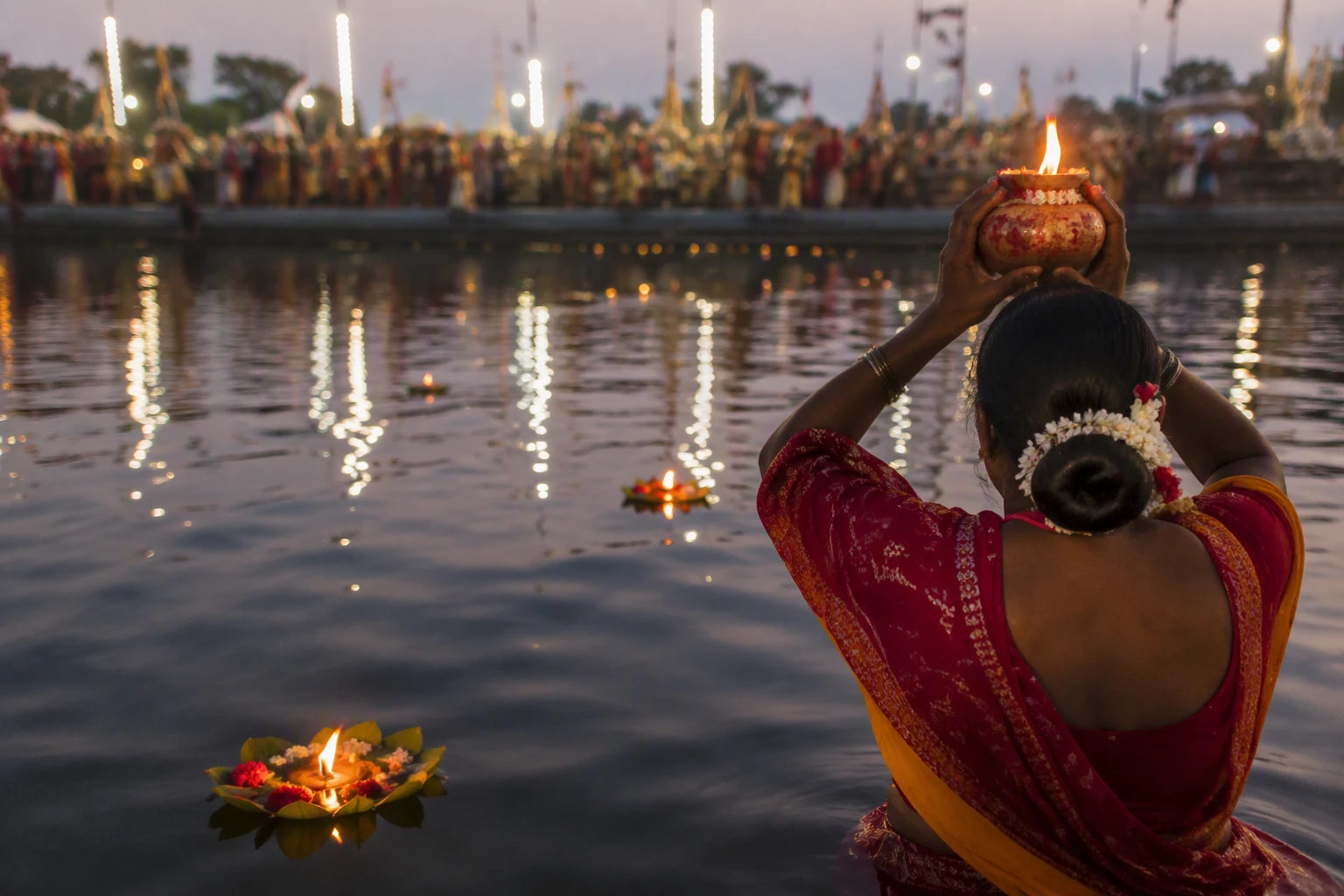
By pairing images from India with images from Britain, the gallery shows how a single religious observance changes shape without losing its meaning. In India, especially in places like Chennai, festivals such as Aadi unfold as large public celebrations rooted in regional custom and Tamil religious life.
In Britain, the same devotion is recreated or adapted in temples, on streets or in local gathering spaces. That adaptation is not a dilution of tradition so much as a practical response to migration, distance and the needs of daily life, giving families a way to preserve a connection to ancestral practice even when the setting is far from the original homeland.
The visual contrast also reveals how diaspora religion becomes a social bridge. Public observance can reinforce language, ritual memory and community bonds for younger generations, while giving older worshippers a familiar structure for faith in a new country. The gallery’s side-by-side approach makes clear that Hindu devotion is not bound to one geography, even when its symbols remain deeply rooted in place.
What the photographs preserve
Photo essays like this document both the visible and emotional dimensions of religion. A procession, a pierced cheek, a pot of milk balanced on the head, or a chariot drawn through a crowd tells viewers how faith is carried through the body and into public space. The result is a record of community energy that text alone often cannot match.
The gallery also shows how ritual can hold together families, neighbors and wider communities. In India, the observances are tied to seasonal festivals and local customs; in Britain, they reflect the diversity of modern public life while preserving continuity with older forms of worship. In both settings, the devotion is lived practice, not a museum object.
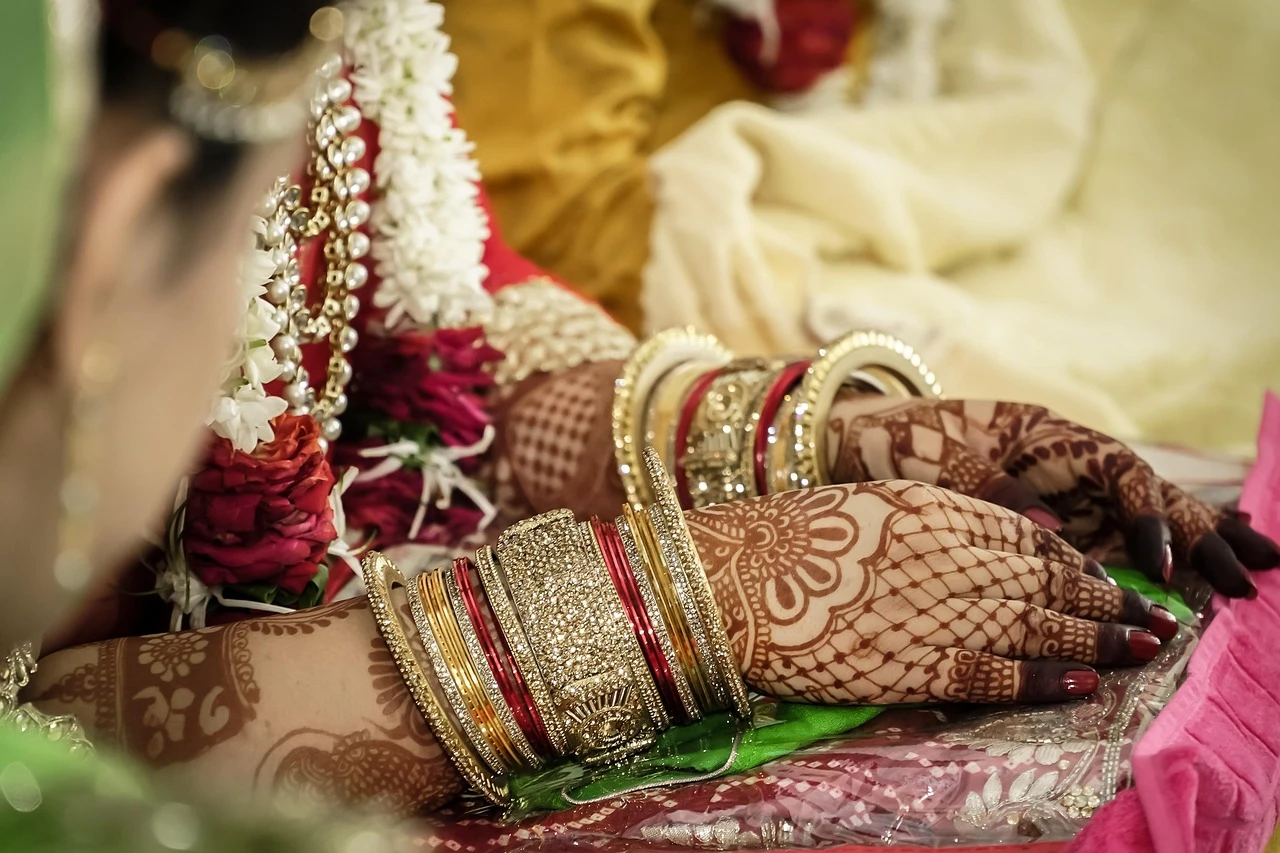
That living quality is the central point of the collection. The same goddess worship that fills streets in Chennai also finds space in Britain’s temples and community settings, and the photographs show how religious identity survives by adapting without disappearing.
AP’s wider coverage of Hindu observance
The gallery sits within a broader run of AP religion photo coverage. Another AP photo gallery focuses on Janmashtami, the celebration of the birth of Lord Krishna in India and Nepal, showing that the agency regularly documents major Hindu observances across South Asia.
AP has also covered a biennial festival in southern India where barefoot pilgrims, many balancing offering-filled baskets and clay pitchers on their heads, climbed more than 100 steps to a hilltop shrine while chants of "Om Linga, Om Linga" resonated. Together, these images place goddess worship alongside other major acts of Hindu devotion, all framed as public, embodied and communal.
AP’s Hinduism topic hub extends that coverage, but the gallery of goddess worship in India and Britain stands out for what it places side by side: homeland ritual and diaspora adaptation. Seen together, the photographs show that faith travels through migration with its symbols intact, even as the places that host it continue to reshape how it is lived.
Sources
- [1]apnews.com
- [2]sfgate.com
- [3]seattletimes.com