US News
Historians urge accuracy in naming the Civil War as slavery-based rebellion
Confederal leaders and later historians did not leave the war’s cause vague. Sidney E. Morse’s 1863 book, A Geographical, Statistical and Ethical View of the American Slaveholders’ Rebellion, used that language while the conflict was still unfolding, a reminder that slavery was named at the center of secession long before Appomattox ended the fighting in April 1865.
The American Historical Association says the battle over retelling the war and reframing it began after that surrender. Its 2017 Confederate monuments resource places the issue in the context of slavery, military history, political history and public history, a framing that treats monuments as arguments about power and memory, not as neutral stone markers.
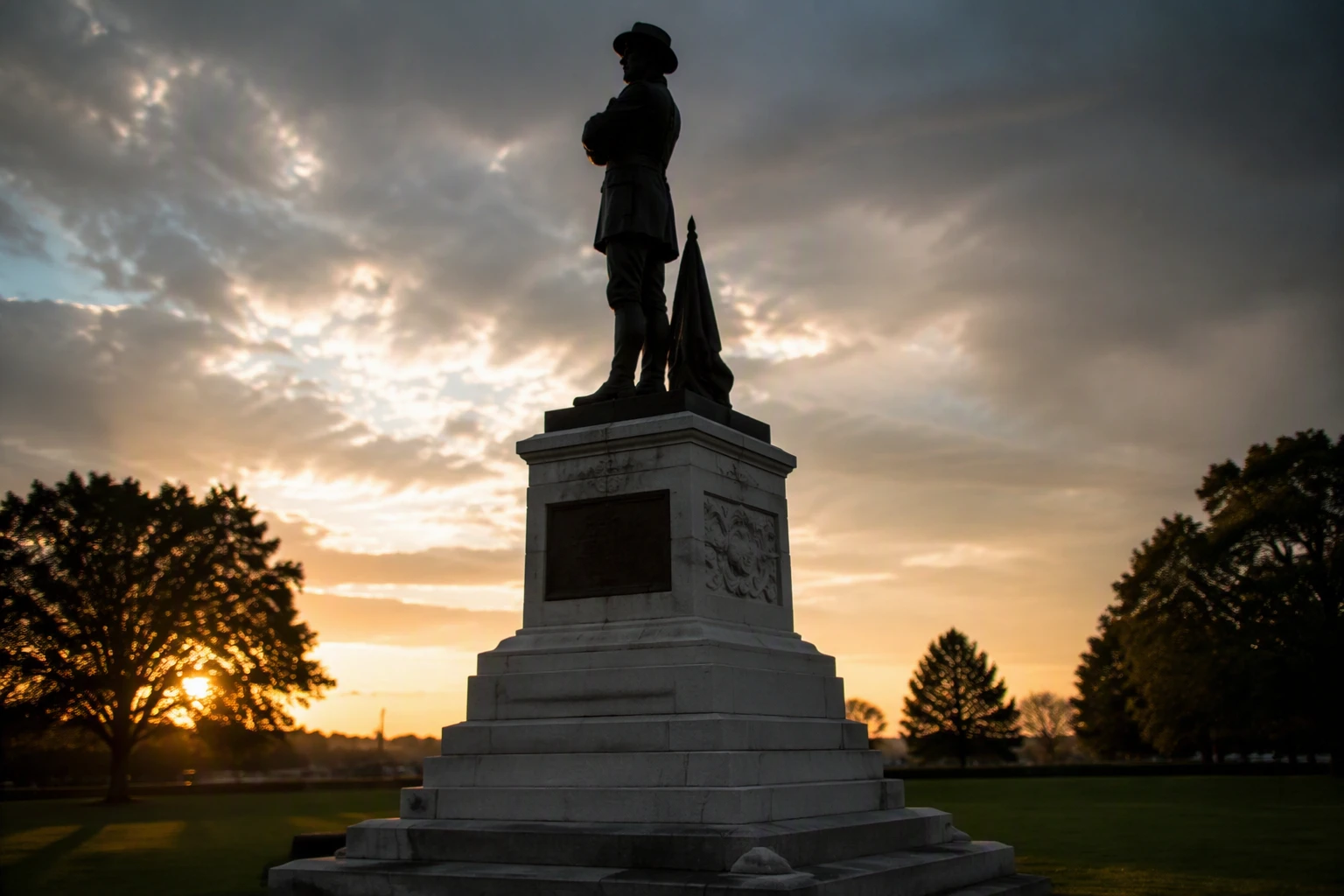
That struggle has remained visible in the way communities handle Confederate symbols. The Atlanta History Center first published an online Confederate monument interpretation toolkit in 2016, and historians have continued to use public-history resources to address monuments that were created or promoted long after the war itself. The result is a public record that keeps pulling the conflict back to its cause, even when the language around it tries to soften that link.

The war’s meaning was being contested while it was still being fought, not just in American newspapers but abroad. A University of Kent thesis on British press responses examines The Times, The Economist and The Spectator between 1860 and 1862, showing that editors were interpreting the conflict in real time. A separate Sheffield-linked study looks at Atlantic slavery debates and domestic reform demands in industrial Sheffield between 1823 and 1848, underscoring how arguments over slavery shaped politics on both sides of the Atlantic.

Civil War journalism scholarship says the Union and Confederate presses published millions of words on the war, and Ford Risley’s overview places the conflict at a pivotal juncture on Sept. 17, 1862, after Second Manassas. That volume mattered because newspapers were not just recording events; they were helping decide whether readers saw secession as a constitutional dispute or as a slaveholders’ rebellion. That choice still governs how historians, museums and political leaders describe the country’s foundational conflict today.