US News
Hoh Rain Forest showcases Olympic National Park’s primeval old-growth beauty
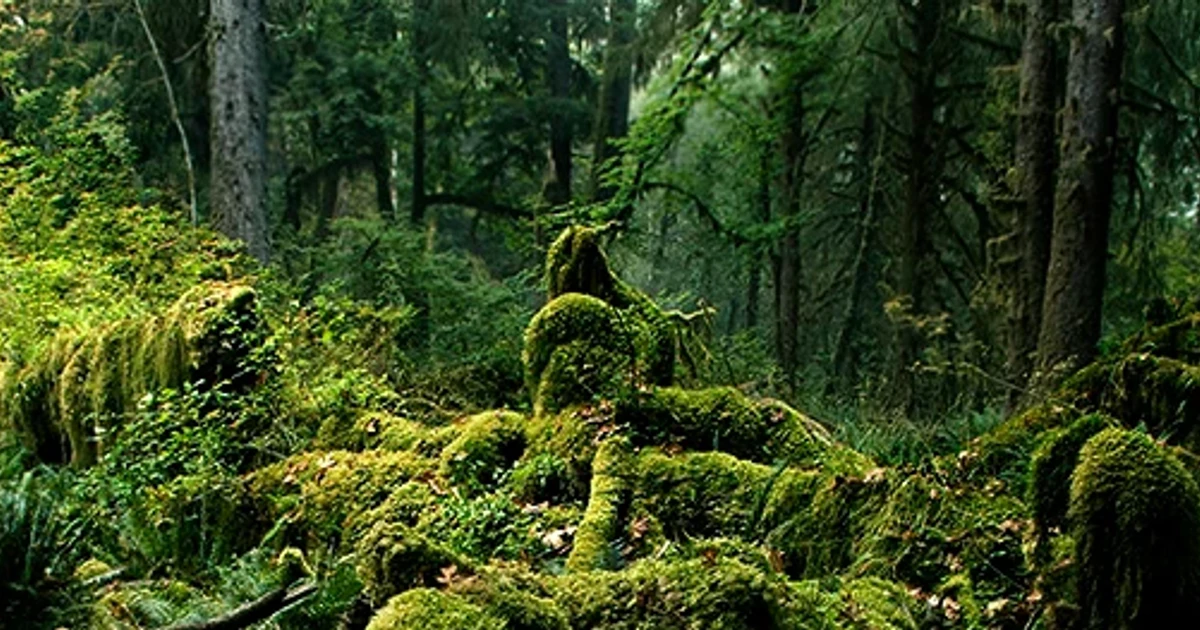
Deep on the west side of Olympic National Park, the Hoh Rain Forest holds one of the finest remaining examples of temperate rainforest in the United States. About a two-hour drive from Port Angeles and under an hour from Forks, it is a place where old growth still defines the horizon, from giant western hemlocks and Douglas-firs to Sitka spruce, mosses, ferns and nurse logs. The value here is larger than scenery: this is protected public land, a living record of the Pacific Northwest’s natural history and a reminder of why preservation still matters.
What readers are seeing
The forest sits inside the broader Pacific Northwest temperate rainforest that once stretched from southeastern Alaska to central California. Olympic National Park, created in 1938 to preserve primeval forest and native Roosevelt elk, protects one of the largest remaining blocks of old-growth forest and temperate rain forest in the lower 48 states. The Hoh Valley, from the park boundary to Mount Olympus, is described by the National Park Service as looking much like it has for about 5,000 years, a scale of continuity that is rare in the modern West.
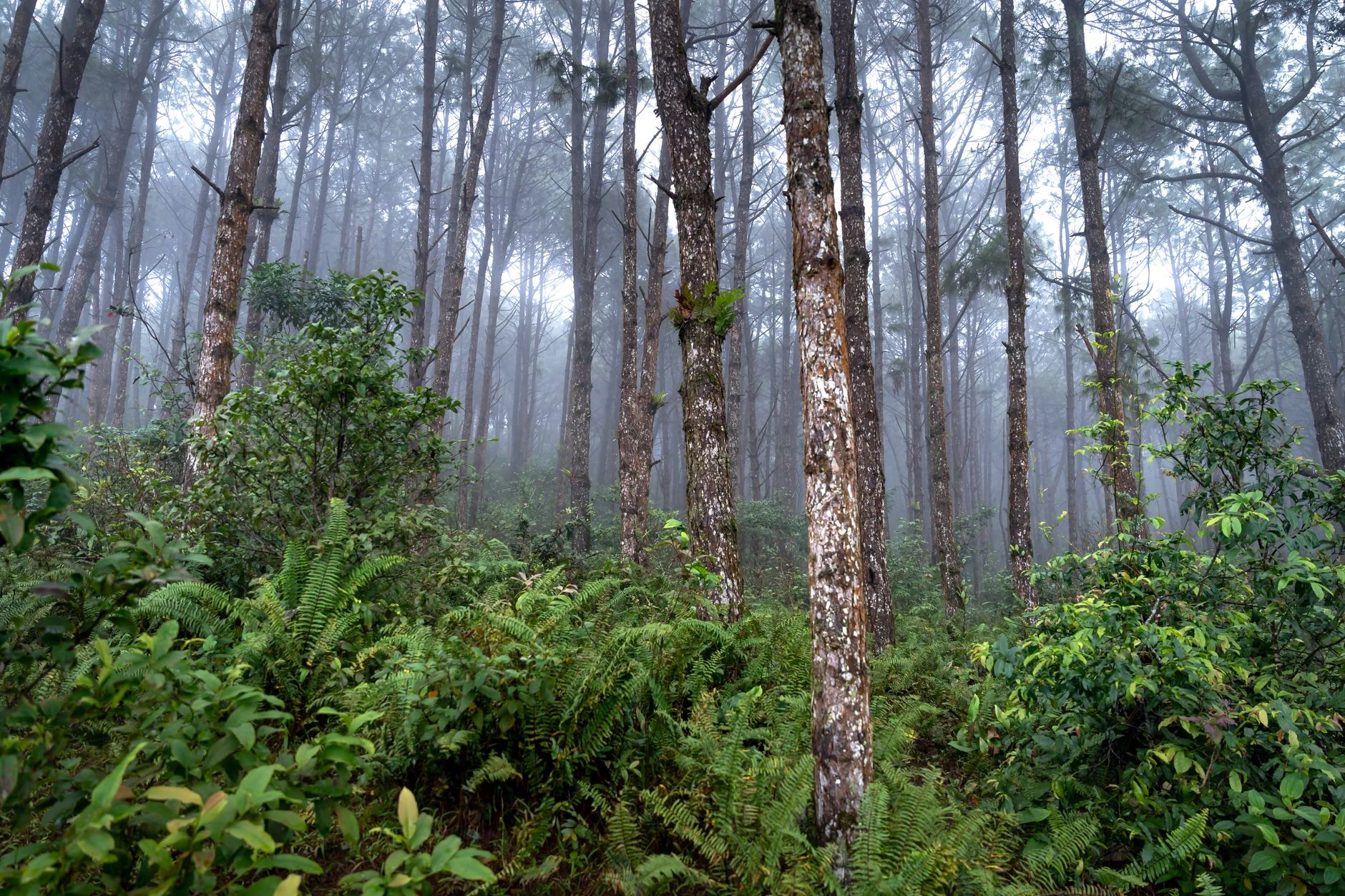
That continuity is visible in the structure of the forest itself. Olympic’s west-side valleys receive more than 12 feet of rain a year, and that moisture powers the thick canopy and saturated understory that define the Hoh. The result is a dense, layered ecosystem where the living trees, fallen logs and new growth are all part of the same cycle, and where the forest floor is constantly being rebuilt by rain, decay and time.
Why the Hoh stands out inside Olympic
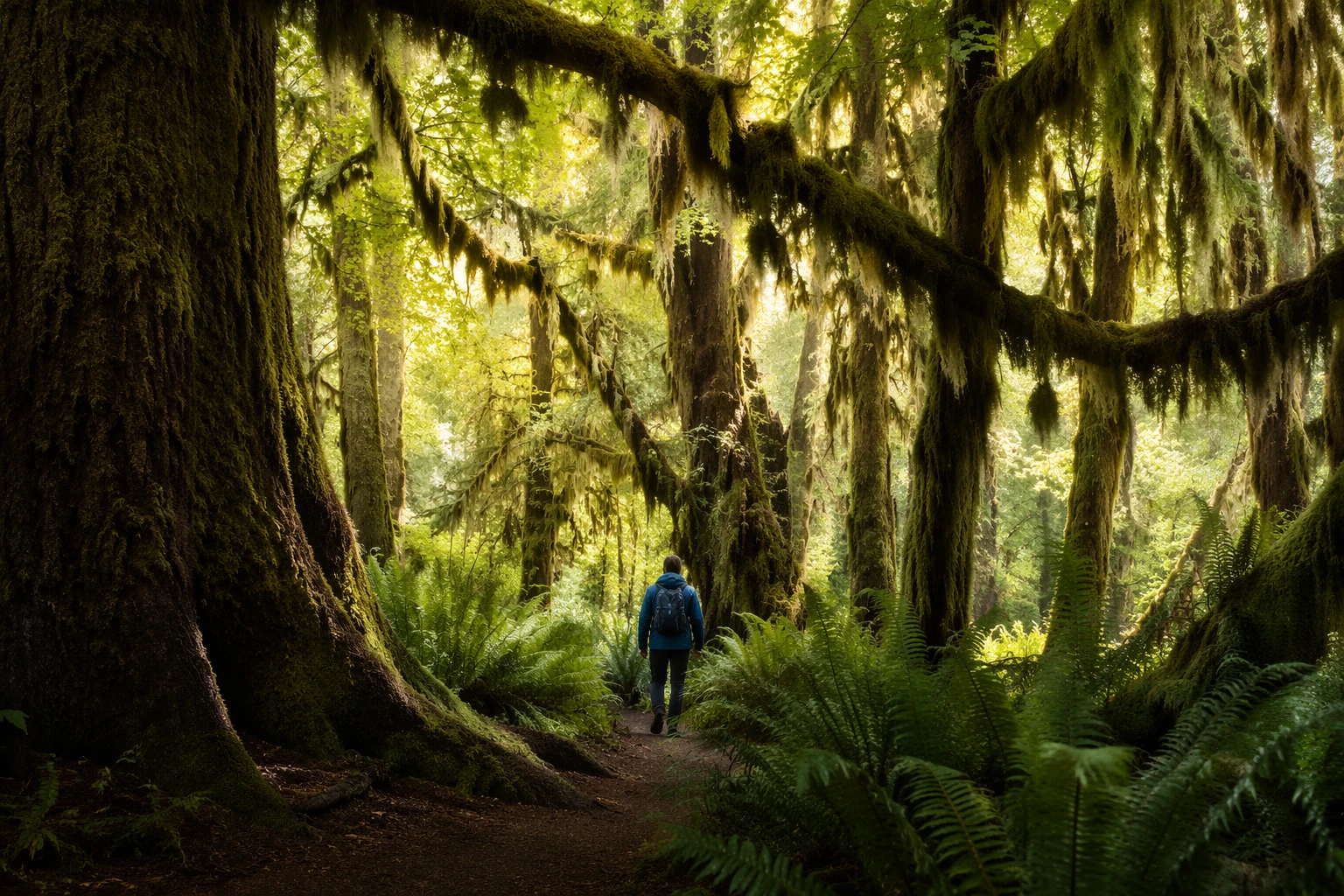
The Hoh is not simply one valley among many. It is part of a small set of west-side rain forests that the park identifies as some of the most spectacular examples of primeval temperate rain forest in the lower 48 states. The Hoh Valley’s mix of big timber, deep moisture and long ecological continuity makes it one of the clearest windows into what the Olympic Peninsula looked like before most of the region was transformed.
That is also why the park’s creation still matters. Olympic National Park was established to protect primeval forest and native Roosevelt elk, linking habitat protection with public access from the start. The Hoh remains one of the strongest expressions of that mission, because it preserves not just trees but the full setting that allows old-growth forest to endure.
Wildlife, water and the old-growth landscape
The Hoh Valley also supports a notable share of Olympic National Park’s elk population. An estimated 400 to 500 elk live in the valley, out of the park’s roughly 3,000 to 4,000 elk overall. Their presence reinforces the point that this is not a museum forest, but a living landscape shaped by wildlife movement, heavy precipitation and the constant turnover of the forest canopy.
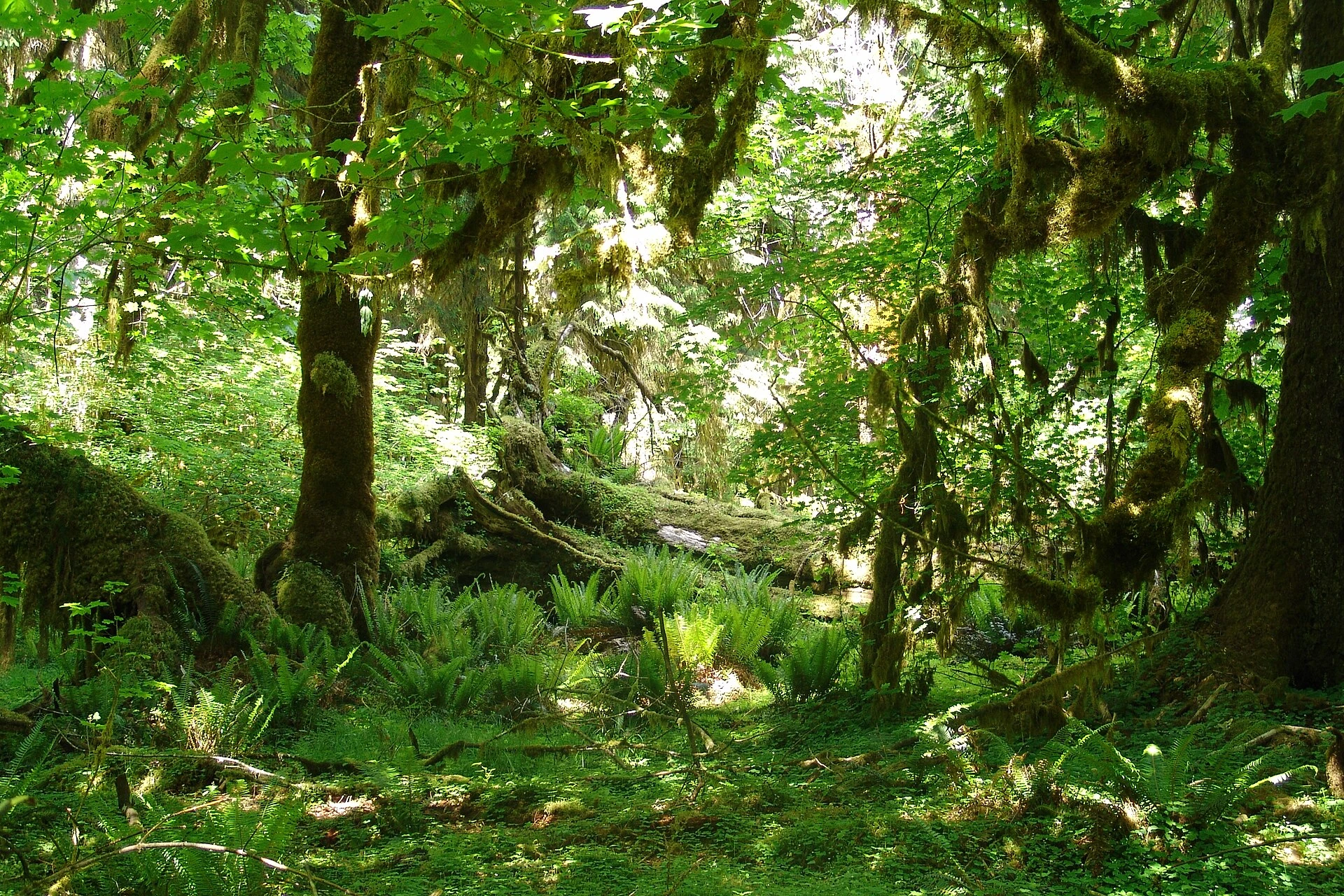
The visual signature of the Hoh comes from its moisture-fed growth. Giant western hemlocks, Douglas-firs and Sitka spruce dominate the canopy, while mosses and ferns cover trunks, branches and decaying logs. Nurse logs, a hallmark of temperate rainforest ecology, show how fallen trees help the next generation take root, turning decay into structure and making the forest itself a cycle of renewal.
A cultural landscape as well as a natural one
The Hoh River valley is the ancestral home of the Hoh people, and that fact is inseparable from any honest reading of the place. Eight tribes have traditional associations to lands now in Olympic National Park: the Hoh, Jamestown S'Klallam, Lower Elwha Klallam, Makah, Port Gamble S'Klallam, Quileute, Quinault and Skokomish. The forest is therefore more than a scenic or ecological asset; it is also a cultural landscape with living ties to Native communities across the Olympic Peninsula.
That broader context matters because conservation is not only about preserving a view. It is about safeguarding a place where ecological history, tribal history and public stewardship overlap. The Hoh Valley’s significance comes from that intersection, where old growth, wildlife habitat and ancestral land all demand the same thing: long-term protection.
How access works
Public access to the Hoh Rain Forest begins on Upper Hoh Road. The area’s main access points include the visitor center, campground, picnic area and trailheads, which together make the valley one of the most visited and recognizable parts of Olympic National Park. Its location also helps explain its appeal: remote enough to feel removed from the rest of the world, yet still reachable from Port Angeles and Forks without a full-day journey.
That access is part of the story of the place, but it is also one of its vulnerabilities. In December 2024, Olympic National Park said the Hoh Rain Forest area was closed until Upper Hoh Road was safe after a washout at milepost 9.7. The closure underscored how weather and infrastructure can quickly limit entry to even the park’s most iconic landscapes, and how dependent the public is on a single road to reach this nationally significant forest.
Why preservation matters beyond tourism
Seen from the trailheads, the Hoh can feel like a rare escape. Look at it through the lens of public policy and civic responsibility, and it becomes something more consequential: one of the best remaining temperate rain forests in the lower 48, habitat for native elk, ancestral land for Indigenous communities and a surviving block of old growth that still shows the region’s pre-industrial ecological character. Protecting it is not an indulgence. It is a test of whether the country will keep faith with the public lands it set aside in 1938 for future generations.
Sources
- [1]cbsnews.com
- [2]nps.gov