US News
Holiday flyovers and storms could disrupt Fourth of July travel
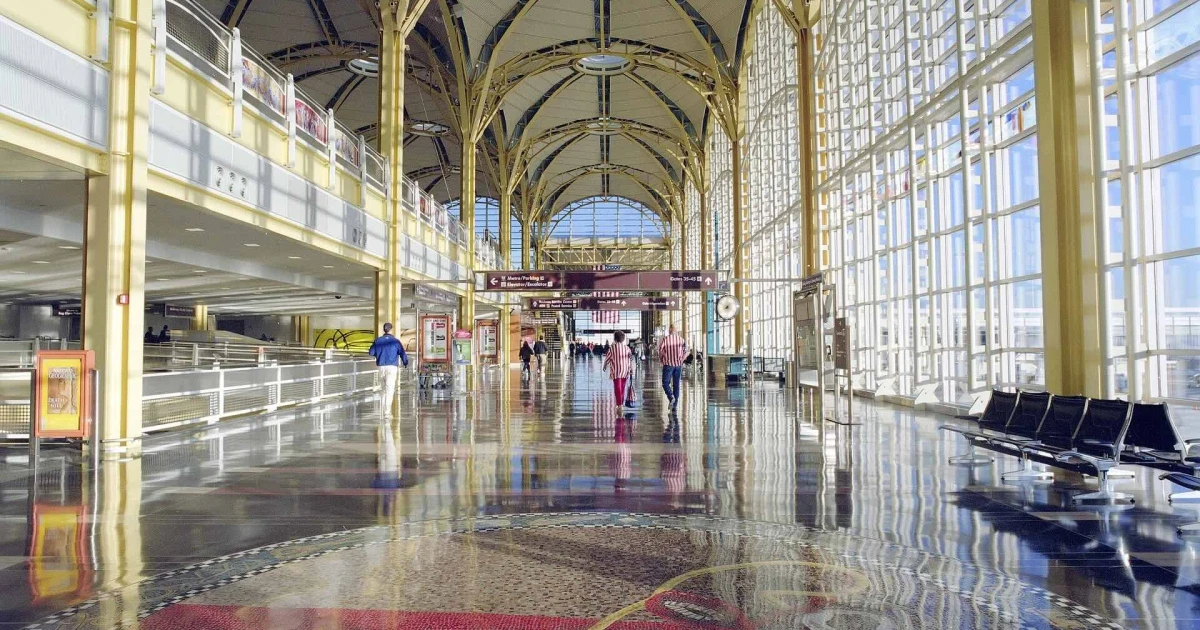
Ronald Reagan Washington National Airport planned to halt flights for three hours Friday and for most of Saturday as Washington, D.C., prepared for holiday flyovers, fireworks and aerial displays tied to America 250 celebrations. The terminal stayed open, but the pause put one of the country’s busiest airport systems into a narrow operating window just as summer weather threatened to slow flights elsewhere.
The airport said no flights were to operate from 10 a.m. to 1 p.m. on July 3, 2026, and again from noon to 11:59 p.m. on July 4. The Federal Aviation Administration said those times were subject to change and told travelers to check with their airline for the latest flight status. Flyreagan said airlines had scheduled around the events to reduce passenger delays, a sign that some disruption was already built into the holiday calendar.
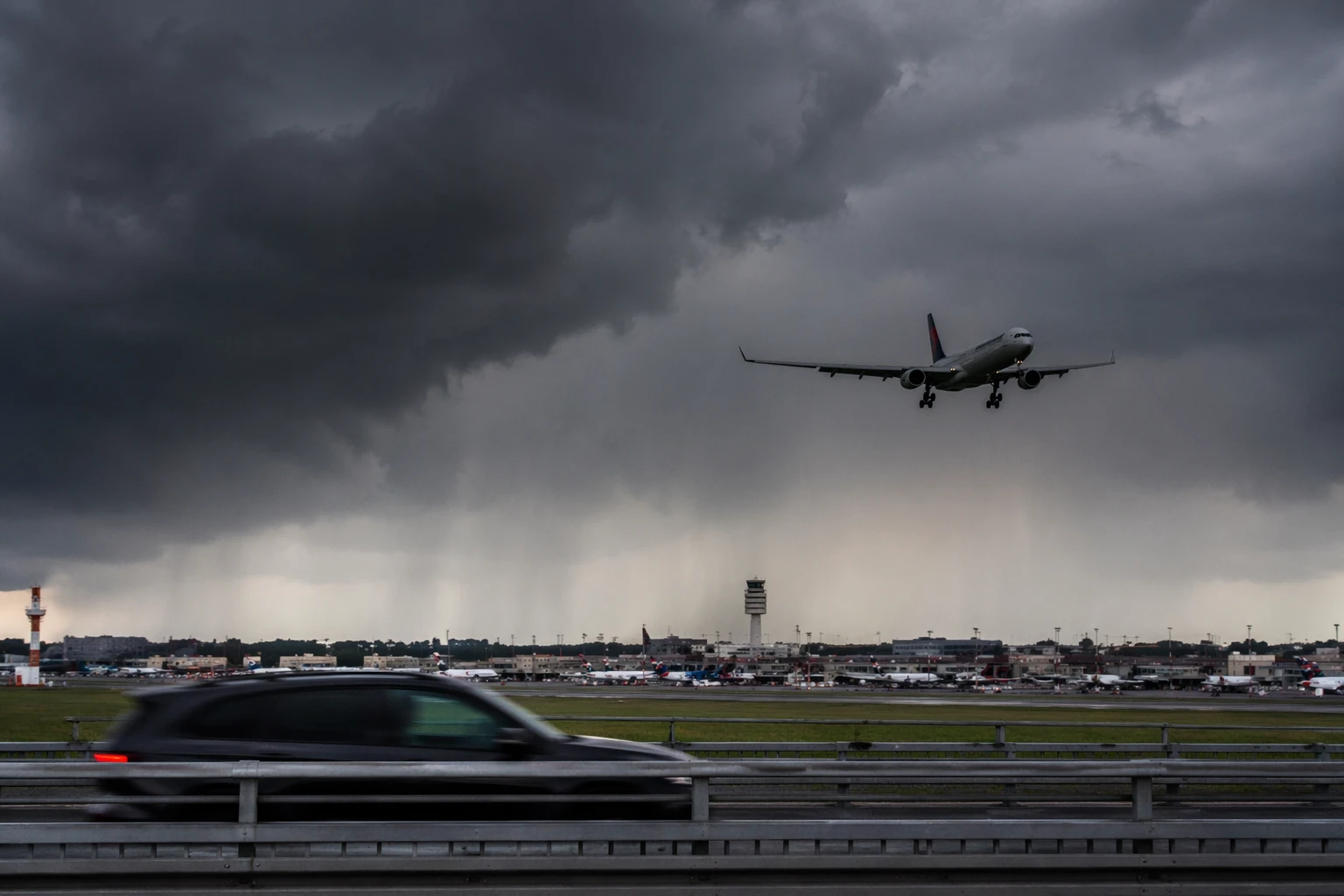
That planning did not eliminate the broader risk. The FAA’s National Airspace System dashboard showed active airport delays elsewhere on July 3, including thunderstorms affecting Atlanta, Georgia, underscoring how weather can move beyond one airport and ripple through the network. When one hub is slowed by storms and another by planned airspace pauses, the system absorbs the hit in missed connections, longer tarmac waits and squeezed rebooking options.
The strain is easier to understand in the context of demand. Reagan National and Dulles International handled more than 53.9 million passengers in 2025, a record for the two-airport system. That level of traffic leaves less margin when a major holiday weekend collides with airspace restrictions and storm delays at other hubs.
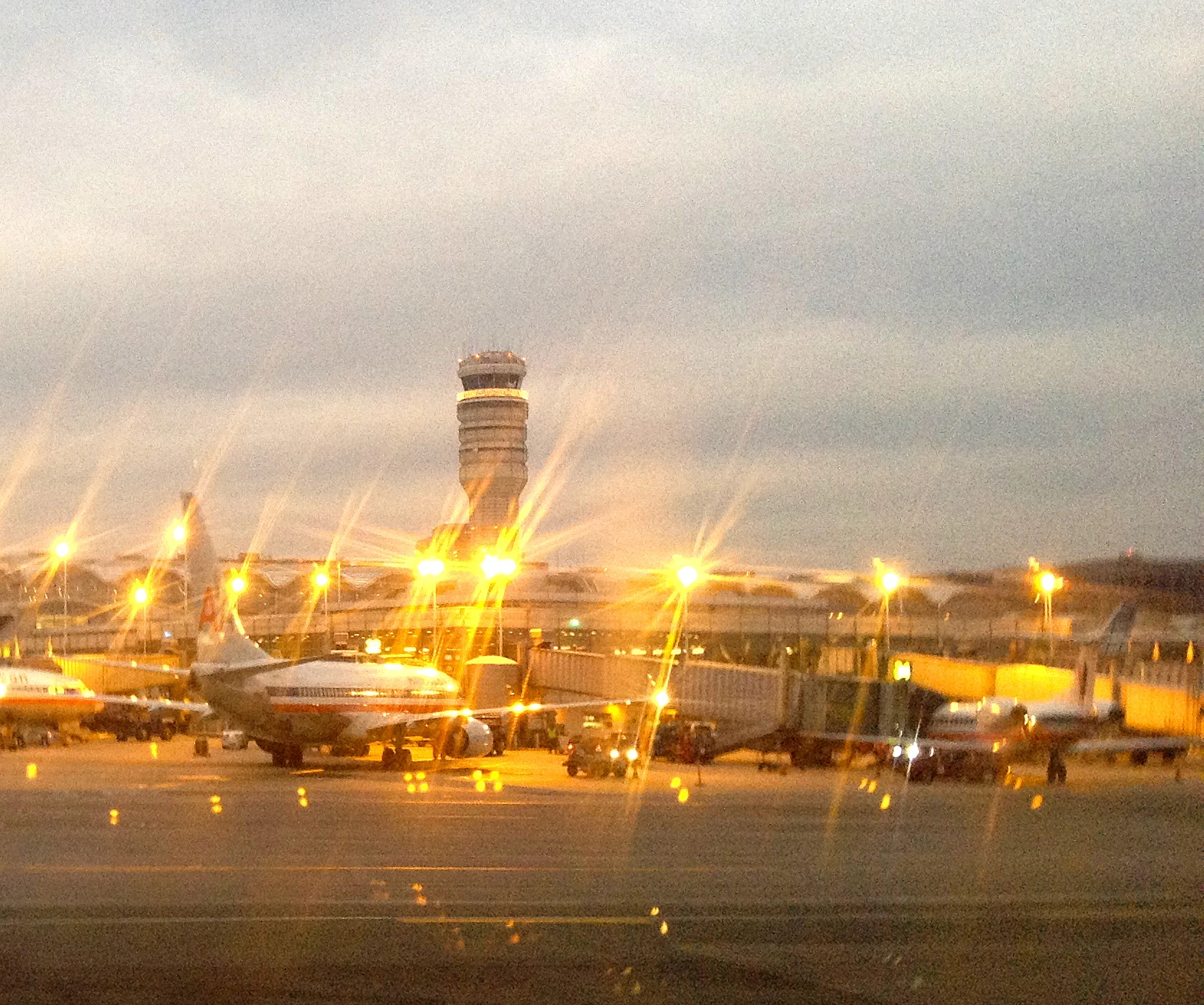
Reagan National has also remained under close scrutiny since the deadly January 2025 midair collision near the airport, which kept attention on airspace restrictions, close calls and safety procedures around Washington’s airspace. Against that backdrop, the airport’s advisory made clear that special events would continue throughout the summer, with flights paused whenever aerial displays cross the flight path. The practical burden now falls on airlines and airports to keep notices current, because the biggest disruptions are the ones passengers can prepare for only if the schedule changes are communicated before they reach the terminal.
Sources
- [1]cbsnews.com
- [2]flyreagan.com
- [3]faa.gov
- [4]fly.faa.gov