Entertainment
Hollywood shifts from AI skepticism to studio control
The AI conversation in Hollywood has moved past the novelty phase. The real question is no longer whether generative tools can be used, but which parts of the pipeline they can actually improve without stripping studios of control, rights, or brand identity. That shift matters because the most visible AI projects have been more useful as demonstrations of possibility than as proof that audiences are ready to pay for fully synthetic entertainment.
The reality check from the festival circuit
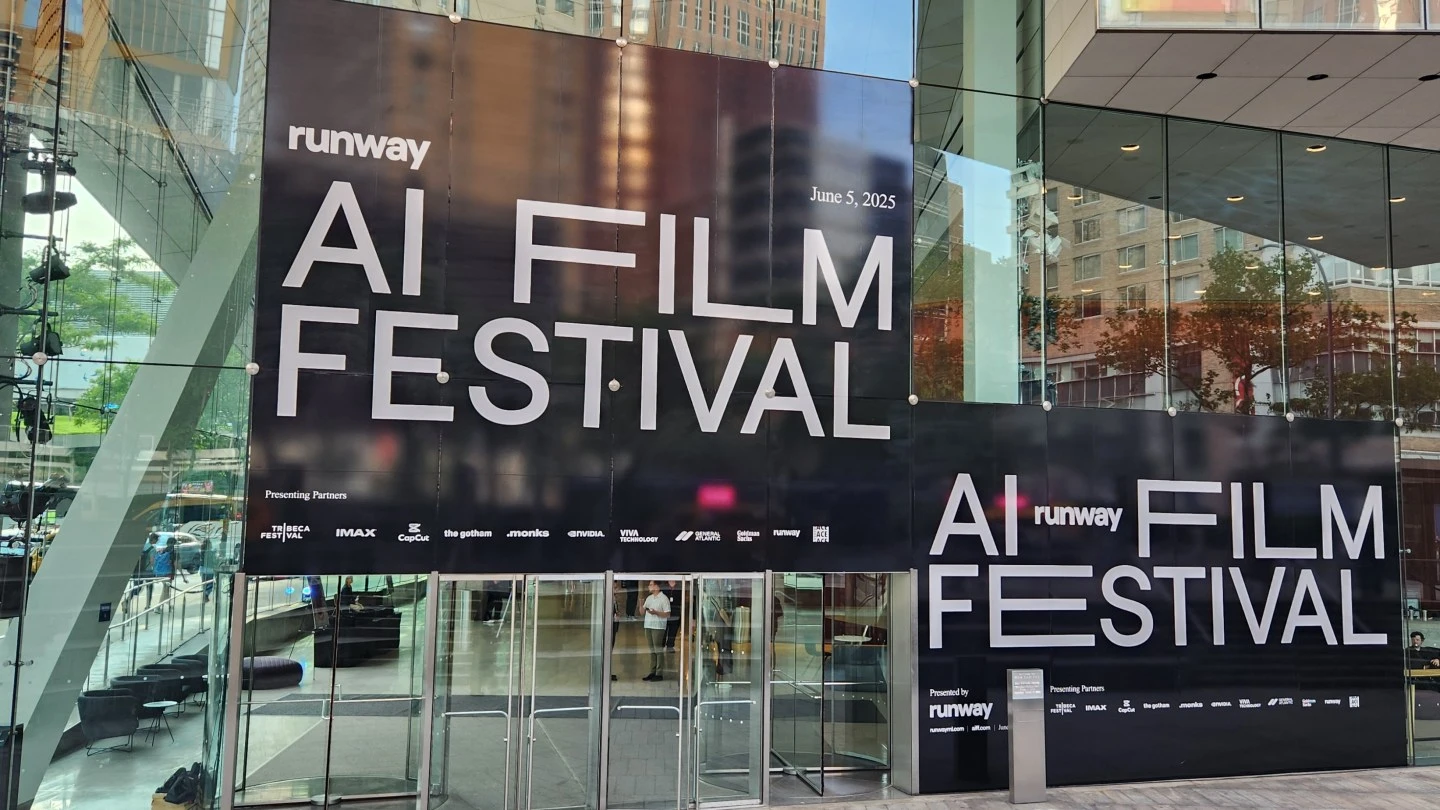
Runway’s third annual AI Film Festival, screened at Lincoln Center in New York City on June 5, 2025, offered a clean snapshot of where the medium stands. The festival drew more than 1,000 attendees, and submissions surged from 300 in its first year to 6,000 in 2025, a sign of growing creator interest even as the technology still struggles with feature-length consistency. For all the attention around AI video, the strongest work remains short-form, with most models still better at generating bursts of footage than building the kind of sustained emotional arc that audiences expect from commercial entertainment.
That gap between attention and readiness is the core issue. The hype suggests a clean replacement for traditional production, but the current reality is messier: AI can accelerate ideation, help visualize scenes, and expand preproduction options, yet it still falls short on continuity, control, and the polish that makes a project feel finished. The festival’s growth shows that experimentation is accelerating, but it does not solve the central problem of turning machine-generated clips into something worth a ticket price.
Studios are moving from skepticism to control
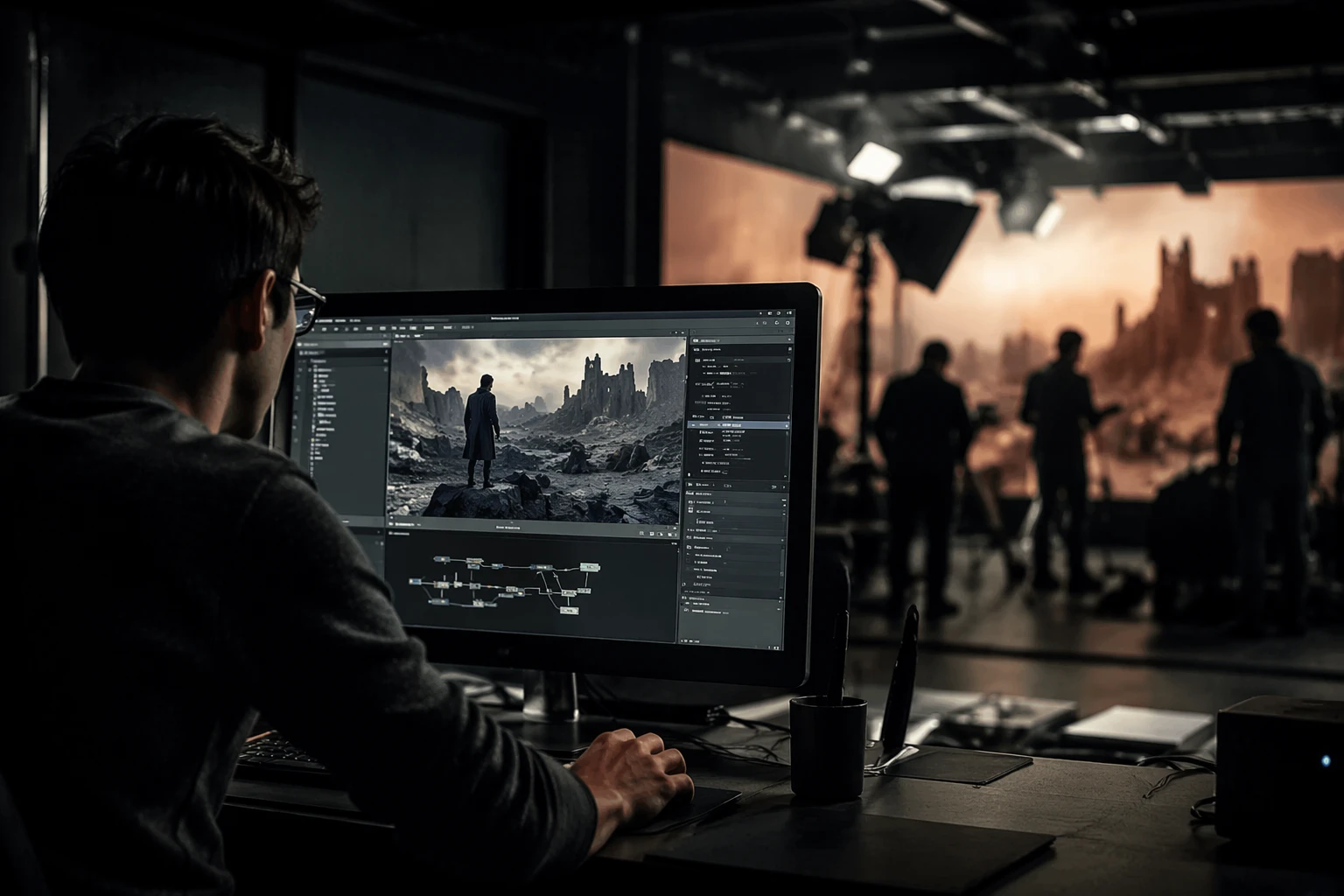
Hollywood’s posture has changed less because the technology suddenly became magical than because studios realized they would rather own the workflow than be surprised by it. Lionsgate set the tone on September 18, 2024, when it announced a partnership with Runway to train a custom model on its proprietary film and television catalog of more than 20,000 titles. Later reporting said the studio also wanted AI-generated shorts built from its franchises, a clear sign that the goal is not generic text-to-video output but a system tuned to recognizable intellectual property.
That distinction matters. A studio-specific model can be trained around tone, visual style, and rights-managed assets, which makes it far more useful than a public prompt box for marketing, previsualization, concept development, and franchise extensions. In practical terms, studios are starting to treat AI less like a standalone creative engine and more like a controlled production layer that can sit inside existing pipelines.
The same logic is appearing at Amazon MGM Studios. At the AI on the Lot conference in Culver City on May 27, 2026, the company unveiled its GenAI Creators’ Fund, and Prime Video ordered three animated series under the initiative. Amazon said the goal is to let a small team do work that once required a full studio floor, which is a telling description of where executives see the productivity gains: fewer repetitive labor hours, faster iteration, and more output from smaller crews.
Labor rules are shaping the market as much as the models
The labor stakes were built into the current wave from the beginning. AI protections became a major issue in the 2023 writers’ and actors’ strikes, and later reporting described the 2024 SAG-AFTRA agreement language as requiring informed consent and compensation for digital replicas and AI-assisted performance changes. That framework changes the economics of adoption, because studios now have to think not only about what AI can generate, but also about who owns the likeness, who approves the use, and who gets paid when a performance is altered or extended.
Those rules are likely to push Hollywood toward hybrid production models rather than all-purpose automation. A model that can draft an animatic, rough out a background, or test a scene can still save time and money, but it becomes far more practical when it operates inside a system built around consent, provenance, and compensation. In that sense, the labor agreements do not just restrain AI use; they help define the legitimate commercial use cases.
This is also why the most durable opportunities are likely to be bespoke rather than generic. Off-the-shelf prompt systems may grab headlines, but studios need tools that can track assets, respect rights, and fit into established production schedules. That points toward custom training, tightly managed datasets, and workflows where AI assists artists instead of replacing the institutions that coordinate them.
Where AI adds value and where it falls flat
The best case for AI in entertainment is not that it will make Hollywood disappear, but that it will compress the parts of production that are slow, expensive, or repetitive. Industry observers already place AI in storyboarding, VFX, and preproduction, where fast iteration can reduce waste before cameras roll. McKinsey estimated in late 2025 that generative AI could affect the $181 billion global content-creation value chain, from previsualization through postproduction, which underscores how broad the economic footprint could become.
At the same time, the demand side is enormous. McKinsey also noted that U.S. adults spend nearly seven hours per day watching video across platforms, a reminder that even small gains in content creation efficiency can ripple across a huge attention economy. If AI helps studios move faster on the planning side, the payoff is not just lower costs, but more volume in a market already built around constant screen time.
The caution comes from the creative ceiling. OpenAI’s Sora, unveiled in February 2024, showed how quickly quality is improving, but beta testers also flagged the hardest problems: control and copyright. That combination explains why the most promising work today includes projects such as Asteria’s Uncanny Valley, co-founded by Natasha Lyonne, which is among the first major efforts to build a whole film around machine-generated media. The project matters less as a proof of full automation than as evidence that the frontier is now about directing AI, not surrendering to it.
Hollywood’s AI story is therefore becoming more grounded, not more speculative. The winning strategy is increasingly clear: use generative tools where they save time and expand creative options, then lock them into studio-controlled systems that protect rights, preserve accountability, and fit real production needs. The hype may still belong to the model demos, but the business case is moving toward the plumbing.
Sources
- [1]theverge.com
- [2]nbcnews.com
- [3]hollywoodreporter.com
- [4]lionsgate.com
- [5]thewrap.com
- [6]forbes.com
- [7]mckinsey.com
- [8]investors.lionsgate.com