US News
Homan defends ICE after fatal shootings, DHS adds body cameras
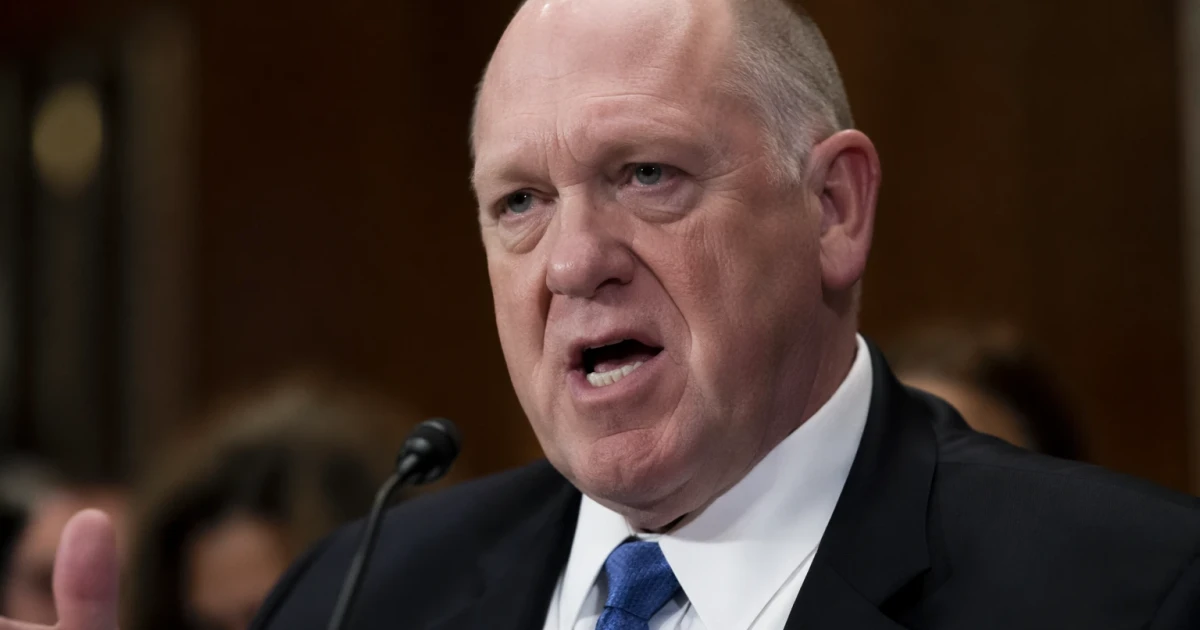
Homeland Security said every ICE arrest team will now have at least one officer with a body-worn camera after two fatal shootings in Houston and Biddeford, Maine, pushed federal immigration enforcement into a wider accountability fight. The change followed the July 7 shooting of Lorenzo Salgado Araujo in Houston and the July 13 shooting of Johan Sebastián Durán Guerrero, a 26-year-old Colombian national, in Maine; neither officer involved was wearing a body camera.
The Houston shooting drew scrutiny because reporting suggested federal agents may have mistaken Salgado Araujo for someone else. In Maine, Sen. Angus King said the Department of Homeland Security told him Durán Guerrero may not have been the intended target of the warrant operation. The FBI and the Maine Attorney General’s Office are investigating the Maine killing, while state and local officials have also pressed for answers in the Houston case.
The absence of cameras in both shootings turned the issue of record-keeping and force into a policy dispute. Congress had allocated $20 million in April specifically for ICE body cameras, making DHS’s new requirement a sharp turn toward a standard many lawmakers had already said was overdue. By tying the cameras to every arrest team, DHS is trying to make the recording of enforcement encounters routine rather than optional.
Tom Homan has defended ICE as the backlash has grown. He said the agency had made a “temporary pause” in vehicle stops nationwide after the Maine shooting, and earlier in 2026 he blamed a Minneapolis ICE-related fatal shooting on “hateful rhetoric” toward immigration agents. In separate comments, he attacked the media for its “lies” about ICE while saying the agency would “do the right thing” after the latest killing.
The shootings in Houston and Maine have quickly become a test of how much trust federal immigration officers can retain when questions about identification, tactics and body-camera use remain unresolved. With investigators still working and lawmakers already focused on oversight, the new camera rule now sits at the center of the broader debate over ICE’s use of force.
Sources
- [1]news.google.com
- [2]houstonpublicmedia.org
- [3]cbsnews.com
- [4]boston.com
- [5]mainepublic.org
- [6]mediaite.com
- [7]thehill.com
- [8]usatoday.com
- [9]click2houston.com