Health
Home care costs jump nearly 50% as families age in place
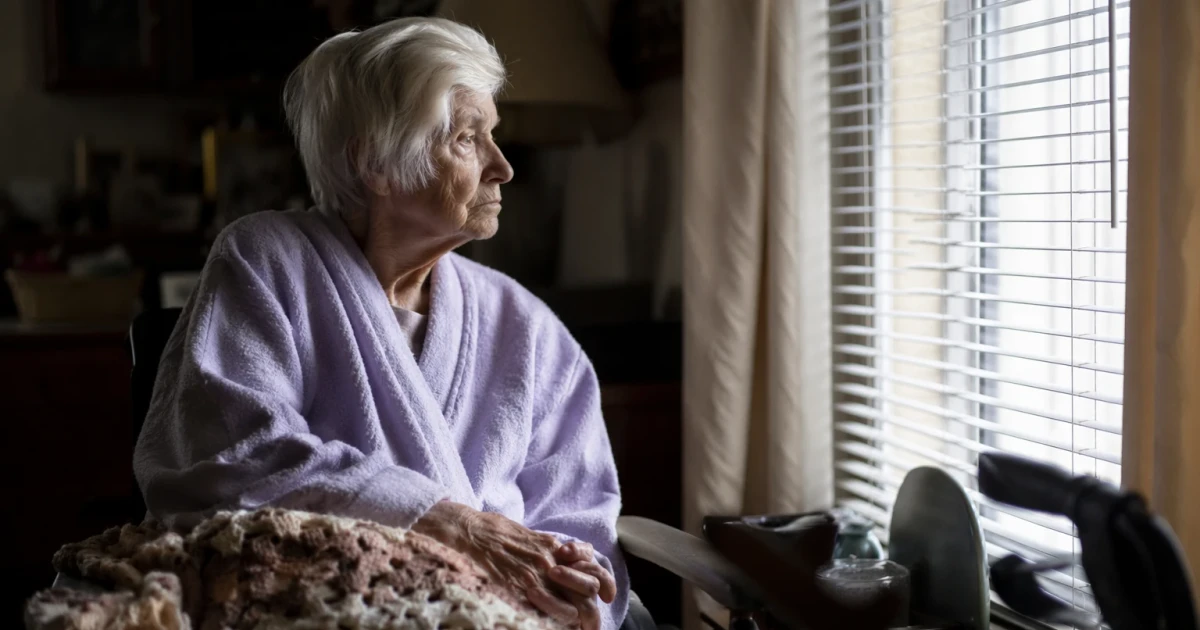
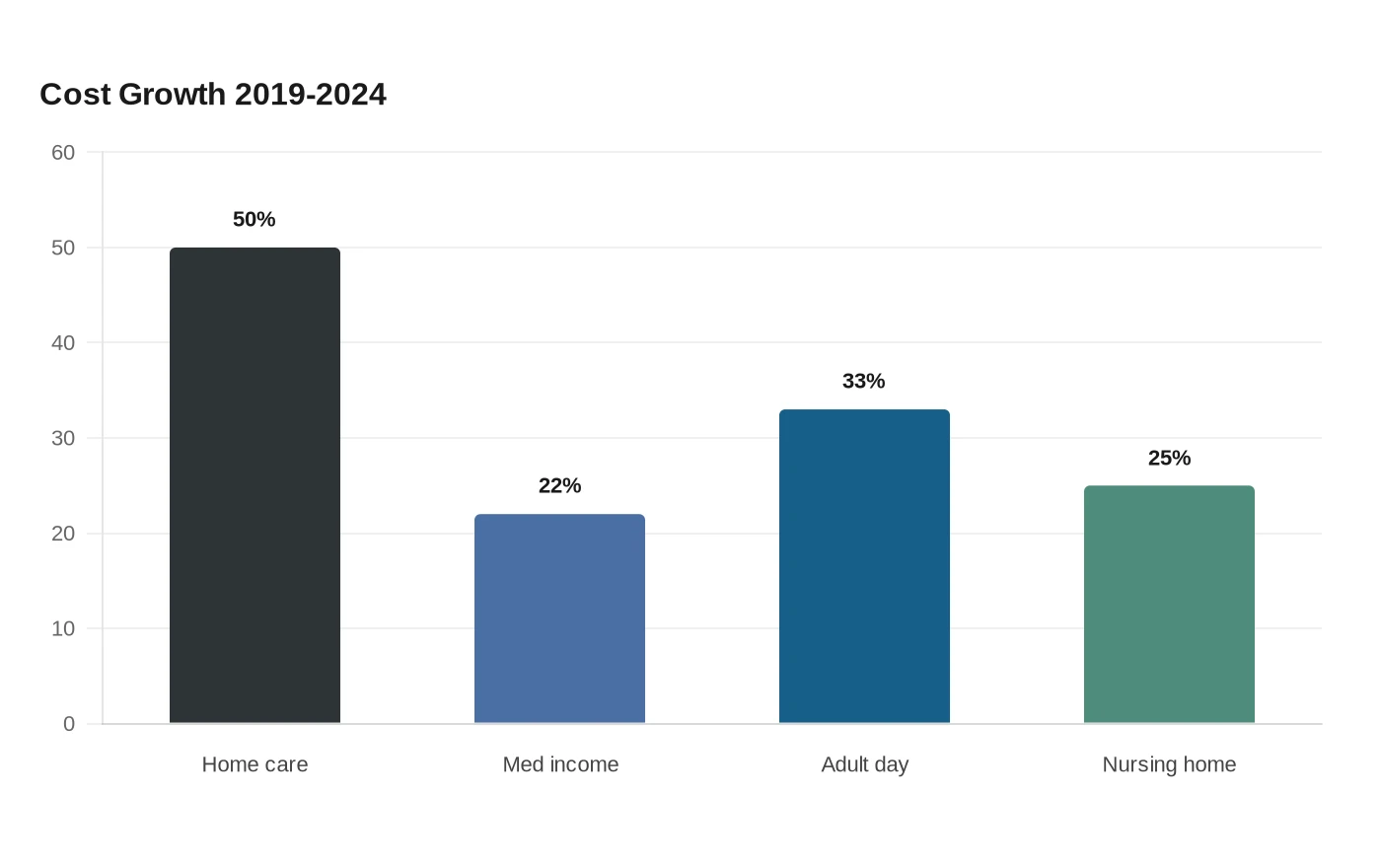
Families trying to keep older relatives at home are being squeezed by a long-term care market that has climbed far faster than their paychecks. The private-pay cost of home care and assisted living rose by nearly 50% from 2019 to 2024, while median household income for people 65 and older increased just 22%. That gap is pushing many middle-class caregivers to look for lower-cost ways to make a home safer before a fall or hospital stay forces a more expensive move.
The pressure is not limited to one kind of care. AARP’s analysis found that adult day services rose 33% over the same period, and nursing home costs climbed 25%. For families already juggling rent or mortgages, medications and transportation, the numbers help explain why aging in place has become less of a preference than a financial necessity. A room-by-room safety upgrade can cost far less than another month of paid care, and it can buy time before families face even steeper decisions.
The National Institute on Aging says many older adults want to age in place, and simple changes can make that possible longer. Its recommendations are basic but practical: improve lighting on stairs, install grab bars near toilets and in tubs or showers, remove area rugs, secure carpets firmly to the floor, add ramps with handrails, and use nonslip strips on wet surfaces. Those changes are especially important in bathrooms, hallways and entryways, where a small slip can quickly become a major injury.
Falls are the reason these upgrades matter so much. The CDC says falls are the leading cause of injury for adults 65 and older. More than 14 million older adults, about 1 in 4, report falling each year, and falls among adults 65 and older caused over 38,000 deaths in 2021. The agency also recorded nearly 3 million emergency department visits for older adult falls that year, a toll that shows how quickly an avoidable hazard can become a medical crisis.
Public health officials increasingly treat home modification as a fall-prevention tool, not a cosmetic improvement. The CDC’s STEADI program includes home modification as an evidence-based intervention, and its falls compendium lists five home modification approaches among 34 single interventions. That evidence matters for families now weighing every dollar: in a market where care costs keep outpacing income, safer homes are becoming one of the few affordable defenses left.
Sources
- [1]cbsnews.com
- [2]aarp.org
- [3]cdc.gov
- [4]nia.nih.gov